
Mastering Logistics: A Step-by-Step Guide to Efficient Global Supply Chain Management
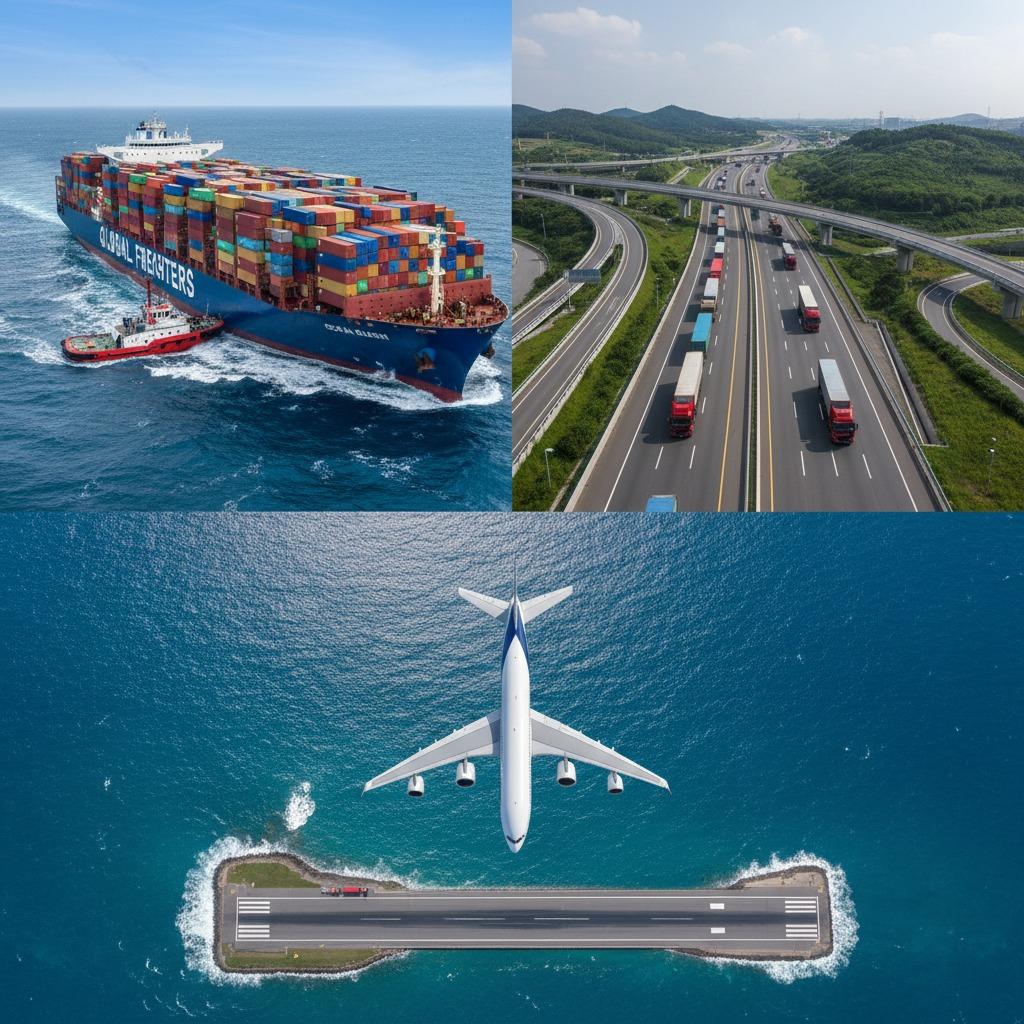
In today's interconnected world, logistics forms the backbone of successful business operations, enabling the seamless movement of goods from origin to destination. Whether you're a small entrepreneur or managing a multinational corporation, understanding logistics is crucial for optimizing costs, reducing delays, and enhancing customer satisfaction. This guide will walk you through practical steps to streamline your logistics processes, drawing on real-world examples like massive container vessels, reliable trucks, and advanced air freight to illustrate key concepts.
Assessing Your Logistics Needs
The first step in effective logistics is to thoroughly assess your current needs and identify pain points. Begin by mapping out your supply chain: list all suppliers, transportation modes, and delivery endpoints. For instance, if you're shipping internationally, consider the immense container vessels like those from Maersk Line, which handle vast volumes of multi-colored containers with precision and efficiency. These ships exemplify how scale can manage the complexities of modern logistics, ensuring swift transit across oceans while optimizing routes for sustainability.
Evaluate your inventory turnover rate and demand forecasts to determine the required capacity. Tools like inventory management software can help analyze data, revealing bottlenecks such as delays in customs clearance or inefficient routing. In logistics, recognizing that a supportive tugboat aids maneuverability in tight waterways mirrors the need for backup plans in your operations—always have contingency options for disruptions like weather or port congestion. By conducting this assessment, you'll create a baseline for improvements, ensuring your logistics strategy aligns with business goals.
Selecting the Right Transportation Modes
Once needs are assessed, choose appropriate transportation modes that balance speed, cost, and reliability. For ocean freight, opt for robust vessels designed for high-capacity hauls, as seen in Maersk's blue-hulled giants that minimize environmental impact through refined fuel consumption. These carriers connect global markets, transporting goods in secure, stacked containers—a model for reliable international logistics.
For land transport, high-performance trucks equipped with powerful engines and aerodynamic designs are ideal for container shipping over highways. Brands like COSCO and CAPITAL containers highlight the importance of durable chassis for long-haul journeys, reducing emissions and enhancing safety with advanced features. Air logistics, exemplified by the Airbus A380's dual-deck configuration, suits time-sensitive cargo, offering luxury and efficiency for up to 850 passengers or freight equivalents with quieter cabins and eco-friendly engines.
Integrate multimodal logistics by combining these—ship via sea, truck to distribution centers, and air for urgent deliveries. Software platforms can optimize mode selection, factoring in fuel efficiency and route planning to cut costs by up to 20%. Remember, in logistics, synergy between technology and expertise, like skilled navigation on mammoth carriers, ensures fluid operations.
Implementing Technology and Best Practices
Technology is a game-changer in logistics, so integrate tools like GPS tracking, AI-driven forecasting, and blockchain for transparent supply chains. Start by adopting warehouse management systems to automate inventory, reducing errors and speeding up fulfillment. For example, real-time monitoring on trucks or vessels prevents losses, much like the precision stacking on Maersk ships.
Train your team on sustainable practices: optimize loads to lower fuel use, as with the A380's efficient engines combating jet lag through innovative lighting—adapt this to driver comfort on long hauls. Establish key performance indicators (KPIs) such as on-time delivery rates and track them regularly. Partner with reliable providers; for sea logistics, choose operators committed to innovation, ensuring secure transit.
Finally, audit your logistics processes quarterly, adjusting for changes in trade regulations or market demands. By following these steps, you'll build a resilient logistics framework that supports growth, connecting communities worldwide with efficiency and reliability.
Overcoming Common Logistics Challenges
Challenges like supply chain disruptions are inevitable, but proactive strategies can mitigate them. Diversify suppliers to avoid single points of failure, and use predictive analytics to foresee issues like port delays. In air and sea logistics, weather impacts are significant—plan buffers accordingly, drawing from the A380's long-haul reliability.
Cost management is key; negotiate contracts with carriers for volume discounts, and monitor fuel prices affecting truck and ship operations. Compliance with international standards ensures smooth customs, enhancing overall logistics flow. Through continuous improvement, your operations will evolve, embodying the ever-changing landscape of global commerce.





