
Mastering Logistics: A Step-by-Step Guide to Efficient Supply Chain Management
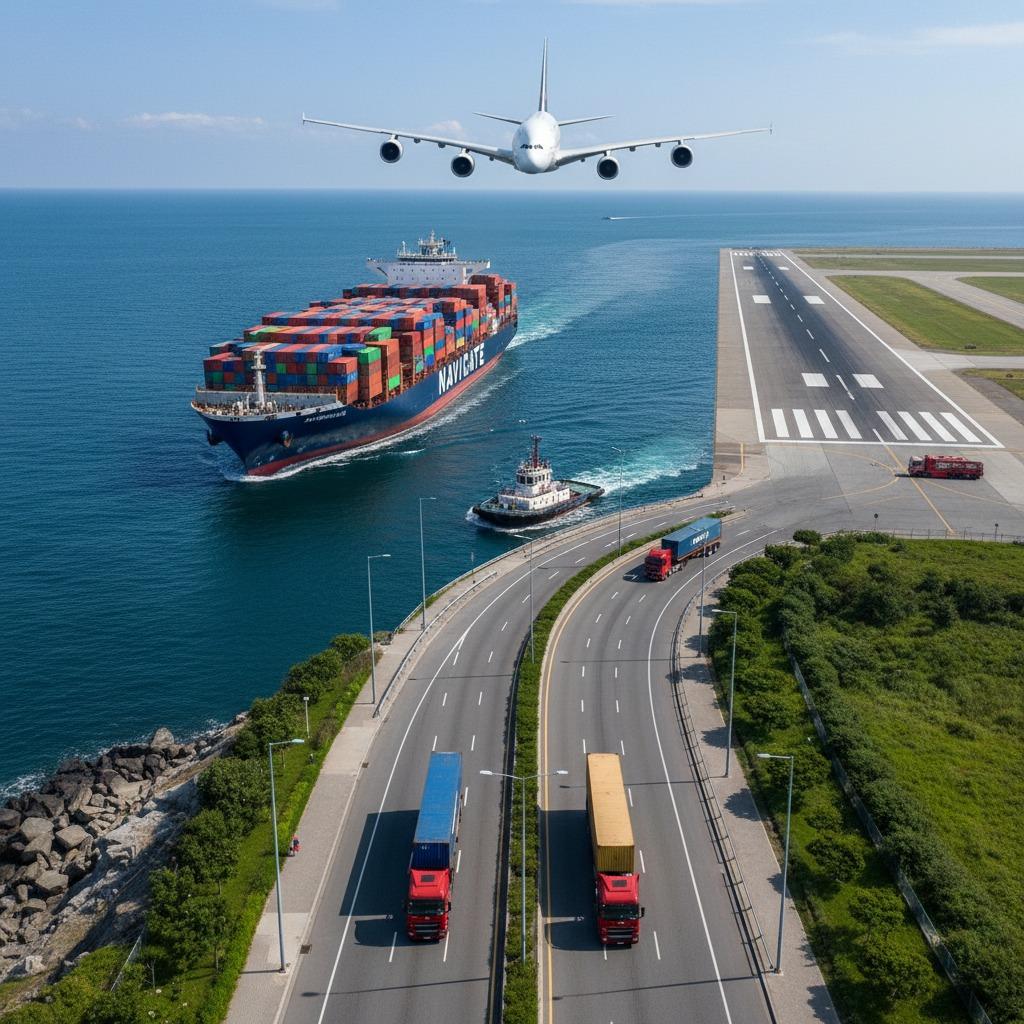
In the fast-paced world of global trade, mastering logistics is essential for businesses aiming to streamline operations and reduce costs. Logistics encompasses the planning, execution, and control of the movement and storage of goods, services, and information from origin to consumption. Whether you're managing maritime shipments or air freight, effective logistics ensures timely delivery and customer satisfaction. This guide provides a comprehensive how-to approach, drawing on innovations like container ships, trucks, and aircraft to illustrate practical steps.
Understanding the Foundations of Logistics
To begin, assess your supply chain needs. Start by mapping out your current logistics processes: identify key points from procurement to final delivery. For instance, consider how a colossal vessel like the Maersk Line container ship, with its aqua blue hull and capacity for vast arrays of stacked containers, optimizes space for global trade. This step involves evaluating cargo types, routes, and potential bottlenecks. Use tools like inventory management software to track stock levels and forecast demand. Aim for integration across modes—maritime for bulk goods, as seen in Maersk's fuel-efficient designs that reduce environmental impact through advanced navigation systems. By understanding these elements, you lay a solid foundation, ensuring logistics aligns with sustainability goals and operational efficiency.
Selecting the Right Transportation Modes
Next, choose appropriate transportation methods tailored to your requirements. For ocean freight, opt for advanced container ships equipped with robust structures for safe transit across international waters, often assisted by tugboats for precise port maneuvering. On land, deploy a fleet of cutting-edge container trucks, like those in vivid red with branding from companies such as COSCO, designed for long-distance hauling on highways. These trucks feature state-of-the-art tracking and aerodynamic builds that enhance fuel efficiency and minimize emissions. For time-sensitive shipments, incorporate air transport using engineering marvels like the Airbus A380, which boasts double-deck capacity, four powerful engines, and luxurious amenities for passenger or high-value cargo flights. Evaluate costs, transit times, and reliability—combine modes for hybrid logistics solutions, such as sea-to-truck transfers, to optimize the entire network.
Implementing Technology and Best Practices
Once modes are selected, integrate technology to enhance logistics performance. Implement GPS and IoT devices for real-time tracking, mirroring the advanced avionics in the A380 for smoother operations. Develop contingency plans for disruptions, like weather delays at sea, by diversifying routes and partnering with reliable providers. Train your team on logistics software for seamless coordination, ensuring compliance with international regulations. Focus on sustainability: emulate Maersk's eco-friendly practices by choosing low-emission vehicles and optimizing loads to cut waste. Regularly audit your processes—measure KPIs such as delivery accuracy and cost per shipment—to refine strategies. This iterative approach transforms logistics from a cost center into a competitive advantage.
Optimizing for Scalability and Future-Proofing
Finally, scale your logistics operations for growth. As your business expands, invest in automation, such as AI-driven route optimization, to handle increased volumes efficiently. Collaborate with global partners, leveraging the synergistic power of tugboats and massive ships for port efficiency. Monitor emerging trends, like electric truck fleets or greener aviation, to stay ahead. By following these steps—assessing foundations, selecting modes, implementing tech, and optimizing—you'll achieve resilient logistics that supports business objectives. Effective logistics not only moves goods but drives profitability in an interconnected world.





