
Frequently Asked Questions About Logistics
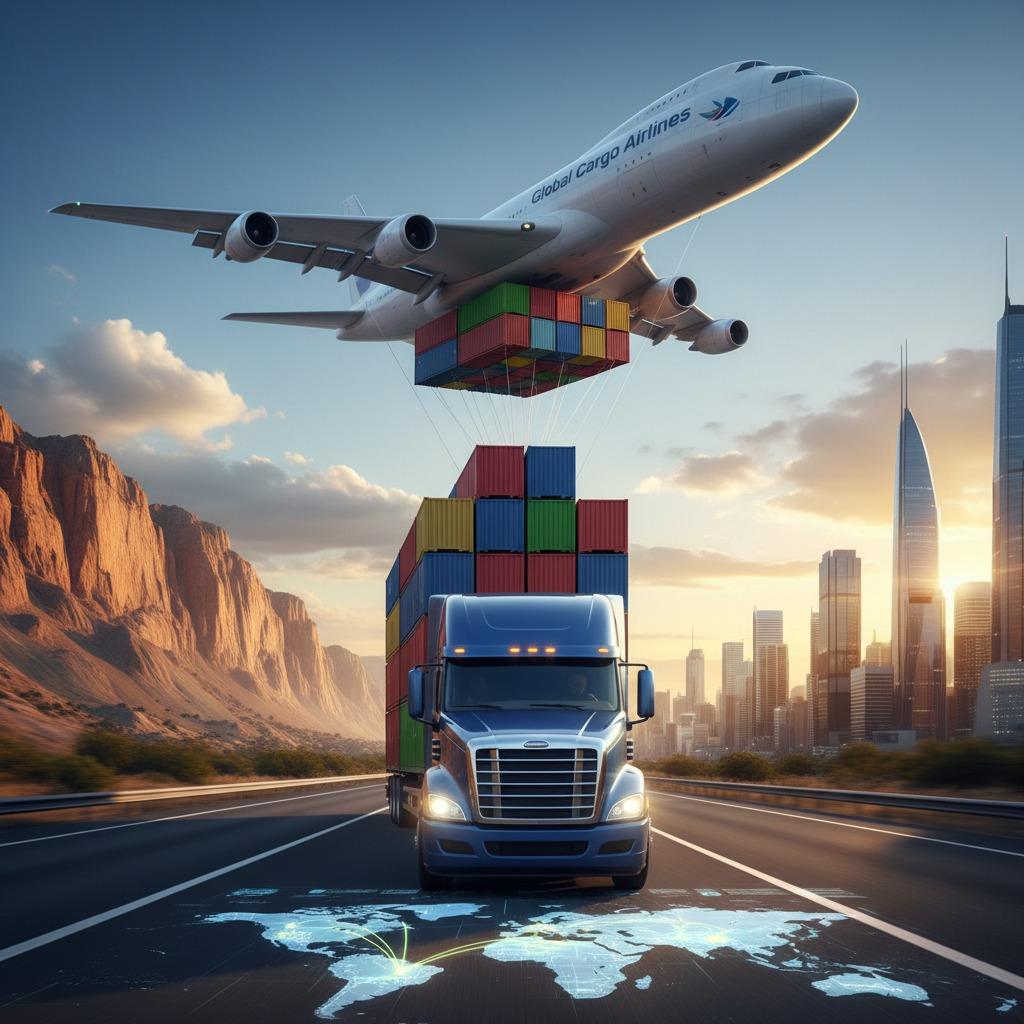
Logistics is the backbone of modern supply chains, encompassing the planning, execution, and control of the movement and storage of goods. Whether you're a business owner or a curious individual, understanding logistics can significantly impact efficiency and cost savings. In this FAQ-style guide, we'll address common questions about logistics to help you navigate this essential field.
What is Logistics and Why is it Important?
Logistics refers to the detailed coordination of complex operations involved in the production and delivery of goods. It includes transportation, warehousing, inventory management, and order fulfillment. The importance of logistics cannot be overstated; it ensures that products reach customers on time, reduces operational costs, and enhances customer satisfaction. For instance, effective logistics can minimize delays in supply chains, which is crucial in today's fast-paced global economy. Businesses that master logistics gain a competitive edge by optimizing resources and responding swiftly to market demands. Without robust logistics, even the best products can fail to reach their potential.
How Do Shipping Containers Enhance Logistics?
Shipping containers are a cornerstone of logistics, providing secure and versatile solutions for transporting goods worldwide. High-capacity shipping containers, available in a vibrant array of colors, are designed for durability and efficiency. They optimize space utilization with their stackable design, making them ideal for both international shipping and local storage. These containers, crafted from industry-leading materials, ensure structural integrity under various conditions, safeguarding contents during transit. For organizations aiming to streamline their logistical processes, choosing the right shipping container can diversify operations while maintaining security. Their versatility allows seamless integration into supply chains, offering practicality and a touch of industrial elegance.
What Role Does Air Freight Play in Logistics?
Air freight is a vital component of logistics, especially for time-sensitive shipments across continents. Advanced freighters like those from Global Cargo Airlines redefine efficiency with cutting-edge aerodynamics and expansive cargo capacities. These aircraft feature innovative underbelly cargo systems that securely carry massive, diverse loads. Strategic routing through major hubs such as Shanghai, Frankfurt, and Dubai optimizes delivery times and reliability. In logistics, air transport connects supply chains globally with precision and speed, making it indispensable for perishable goods or urgent deliveries. By leveraging air freight, businesses can achieve faster turnaround, reducing inventory holding costs and improving overall logistics performance.
How Can Semi-Trucks Improve Road-Based Logistics?
Semi-trucks are essential for road-based logistics, offering flexibility for both urban and highway transport. Cutting-edge models with aerodynamic designs, like those in deep blue with high-durability finishes, enhance fuel efficiency by reducing drag. Equipped with state-of-the-art LED lighting and spacious cabins featuring advanced controls, these trucks ensure safety and comfort on long hauls. Their lightweight yet strong materials, including the front grille, withstand diverse weather conditions while maintaining an elegant appearance. In logistics, semi-trucks support sustainability through eco-friendly technology that lowers emissions. They are ideal for businesses seeking reliable, stylish, and efficient solutions to transport goods over varying distances, seamlessly integrating into broader logistics strategies.
What Are Common Challenges in Logistics and How to Overcome Them?
Logistics often faces challenges like supply chain disruptions, high costs, and regulatory compliance. To overcome these, implement robust planning tools and diversify transportation modes, such as combining shipping containers, air freight, and semi-trucks. Technology integration, including real-time tracking and AI-driven forecasting, can mitigate delays and optimize routes. Additionally, partnering with reliable providers ensures scalability. By addressing these issues proactively, companies can build resilient logistics systems that adapt to global changes, ultimately driving success in competitive markets.
Future Trends in Logistics
The future of logistics is shaped by automation, sustainability, and digitalization. Expect increased use of drones, AI for predictive analytics, and eco-friendly vehicles to further streamline operations. As logistics evolves, staying informed will help businesses capitalize on these innovations for enhanced efficiency and reduced environmental impact.





