
Understanding the Essentials of Logistics
In the fast-paced world of global trade, logistics stands as the backbone of efficient supply chain management. As businesses strive to deliver products swiftly and securely, the term logistics encompasses everything from transportation and warehousing to inventory control and distribution. This critical function ensures that goods move seamlessly from origin to destination, minimizing delays and costs. For companies relying on international shipping, mastering logistics is not just an option but a necessity for staying competitive.
The Role of a Reliable Logistics Company
A logistics company plays a pivotal role in orchestrating the complex dance of moving goods across borders and continents. These firms specialize in coordinating various modes of transport, including sea, air, and land, to provide end-to-end solutions. By leveraging advanced tracking technologies and optimized routing, a proficient logistics company can reduce transit times and enhance visibility for shippers. Statistics from the International Maritime Organization indicate that over 90% of global trade volume is carried by sea, underscoring the importance of maritime expertise in logistics operations. Companies in this sector must navigate regulatory hurdles, such as customs clearance and compliance with international standards, to ensure smooth operations.
Enhancing Efficiency with Logistics Services
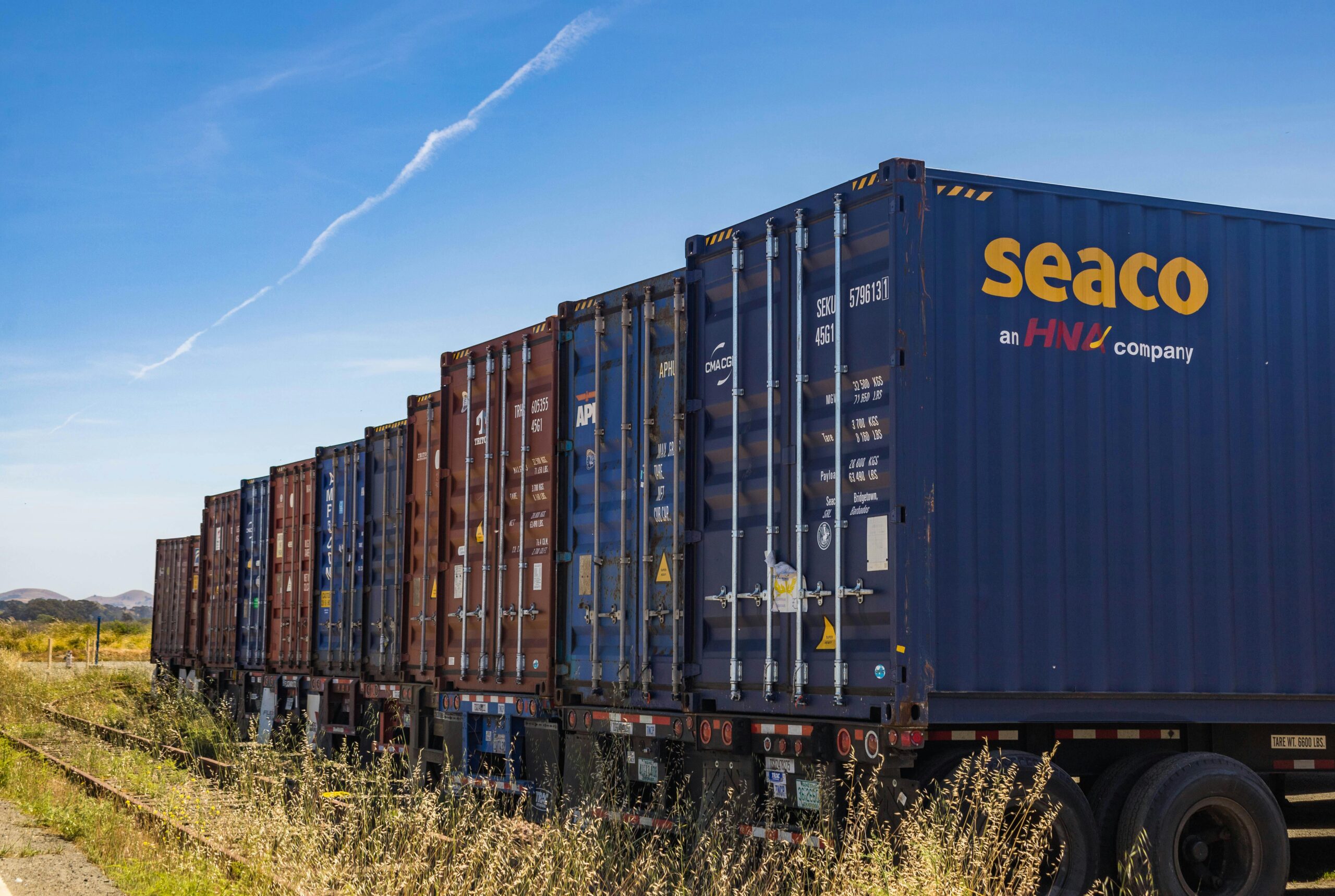
Logistics services extend beyond mere transportation; they include value-added offerings like packaging, storage, and even reverse logistics for returns. In today's market, where e-commerce demands rapid fulfillment, these services are tailored to meet diverse needs, from just-in-time delivery for manufacturers to flexible warehousing for retailers. For instance, intermodal solutions that combine container shipping with rail and truck transport can cut emissions by up to 75%, according to the American Association of Railroads. Introducing the Seaco Intermodal Shipping Containers—where robust construction meets advanced design to facilitate unparalleled cargo transport. These containers, prominently showcased in an array of colors on a secure chassis, ensure your goods are shielded from the elements while in transit. Engineered with precision by an HNA company, Seaco containers adhere to the highest international standards of safety and durability. Perfect for global shipping and logistics, these versatile containers are essential for any freight enterprise aiming to optimize efficiency and reliability across long distances.
Trends Shaping the Future of Logistics
The logistics landscape is evolving rapidly with technological advancements and sustainability initiatives. Automation, such as AI-driven predictive analytics, allows logistics firms to forecast demand and optimize routes, potentially saving up to 20% in fuel costs, as reported by McKinsey & Company. Blockchain technology is also gaining traction for enhancing transparency in supply chains, reducing fraud and paperwork delays. Moreover, the push towards green logistics is evident, with many companies adopting electric vehicles and eco-friendly packaging to meet environmental regulations. A strong logistics company integrates these innovations to offer resilient services that adapt to disruptions like geopolitical tensions or natural disasters.
Choosing the Right Logistics Partner
Selecting an ideal logistics partner involves evaluating factors such as network coverage, technological capabilities, and customer service. Businesses should look for providers with a proven track record in handling specialized cargo, ensuring compliance with ISO standards for quality management. In the context of sea freight, partnering with entities offering Seaco containers can provide a competitive edge through their durability and versatility. Ultimately, effective logistics services not only streamline operations but also contribute to cost savings and customer satisfaction, fostering long-term growth in a interconnected global economy.
As logistics continues to drive commerce, staying informed on best practices and emerging tools will be key for businesses aiming to thrive.





