
Mastering Global Logistics: A Step-by-Step Guide to Efficient Supply Chain Management
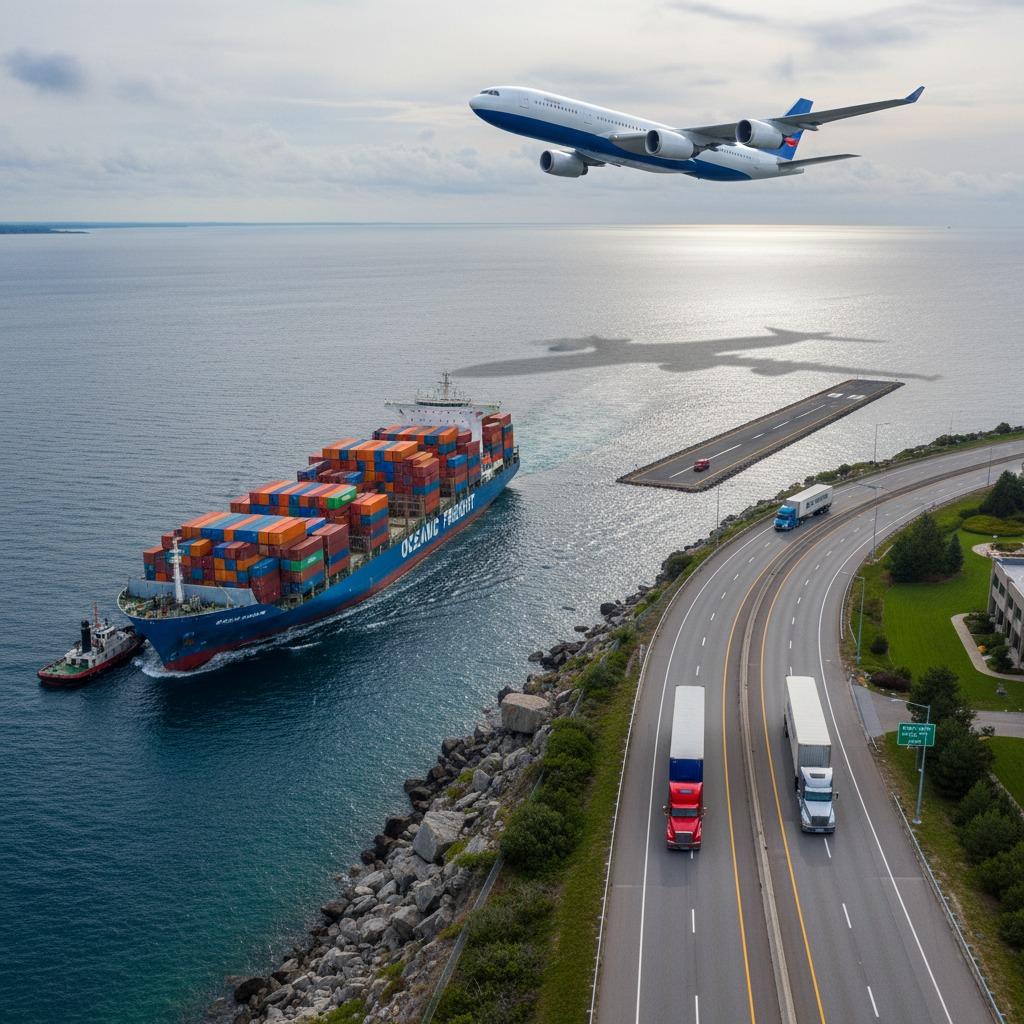
In today's interconnected world, logistics forms the backbone of global trade, ensuring goods move seamlessly from origin to destination. Whether you're a business owner optimizing your supply chain or a logistics enthusiast, understanding logistics is crucial for success. This guide provides step-by-step instructions on how to enhance your logistics operations, drawing on innovative solutions like advanced vessels, trucks, and aircraft to streamline processes.
Step 1: Assess Your Current Logistics Framework
Begin by evaluating your existing logistics setup to identify bottlenecks and opportunities for improvement. Start with a thorough audit of your supply chain: map out every stage from procurement to delivery, noting timelines, costs, and potential risks. For instance, if you're relying on traditional shipping methods, consider integrating cutting-edge options like the Maersk Mc-Kinney Møller, a state-of-the-art container vessel designed for efficiency. This iconic ship, with its Maersk blue hull, can carry thousands of standard-sized containers, optimizing space and reducing emissions through advanced navigation and engine technology. Gather data on your current metrics—such as delivery times and fuel consumption—and benchmark them against industry standards. Tools like logistics software can help visualize these flows, revealing inefficiencies in warehousing or transportation. By pinpointing weaknesses, such as delays in maritime routes, you set the foundation for a more robust logistics strategy that aligns with sustainability goals.
Step 2: Select the Right Transportation Modes for Your Needs
Once your framework is assessed, choose transportation modes that best fit your cargo requirements and routes. For sea freight, opt for vessels like the Maersk Mc-Kinney Møller, which ensures safety and speed across continents while minimizing environmental impact. For land transport, invest in advanced container trucks engineered for heavy-duty logistics. These trucks feature aerodynamic designs for fuel efficiency, state-of-the-art safety systems like advanced braking and real-time monitoring, and durable containers made from high-strength steel to protect diverse goods, from sensitive equipment to bulk commodities. Prioritize trucks with ergonomic cabins for driver comfort, enhancing overall performance on long-haul journeys. If air transport is necessary for time-sensitive shipments, consider aircraft like the Airbus A380, a double-deck marvel with fuel-efficient engines and spacious configurations for hundreds of passengers or cargo. Evaluate factors like cost, speed, and capacity: sea for bulk, trucks for flexibility, and air for urgency. Diversify your modes to create a resilient logistics network that adapts to global demands.
Step 3: Implement Technology and Sustainability Practices
With transportation selected, integrate technology to automate and optimize your logistics operations. Adopt fleet management systems that provide real-time data, similar to those in modern container trucks, to track vehicles and predict maintenance needs. For maritime logistics, leverage the engine technology of ships like the Maersk Mc-Kinney Møller to monitor fuel use and reduce emissions, aligning with environmental standards. In air logistics, the Airbus A380's advanced avionics ensure quiet, efficient flights with features like customizable interiors and enhanced connectivity for seamless cargo handling. Train your team on these tools, from GPS tracking to AI-driven route optimization, to cut costs and improve accuracy. Emphasize sustainability by choosing low-emission options: aerodynamic trucks for better mileage, eco-friendly vessels for ocean routes, and fuel-efficient aircraft for skies. Regularly review and update these technologies to stay ahead in logistics, ensuring compliance with regulations and fostering green practices.
Step 4: Monitor, Optimize, and Scale Your Logistics Operations
Finally, establish ongoing monitoring to refine your logistics processes and scale for growth. Set up key performance indicators (KPIs) such as on-time delivery rates and cost per shipment, using dashboards to track progress. Conduct quarterly reviews to adjust routes or modes—for example, switching to the Airbus A380 for faster international deliveries when needed. Collaborate with partners who share your commitment to innovation, like those providing reliable container trucks for ground logistics. Address challenges proactively, such as supply chain disruptions, by building redundancies like multi-modal options. As your business expands, scale by adding capacity: more vessels for sea logistics, expanded truck fleets, or air partnerships. This iterative approach ensures your logistics remains agile, cost-effective, and future-proof, turning potential hurdles into competitive advantages.
By following these steps, you'll transform your logistics into a powerhouse of efficiency, leveraging tools like the Maersk Mc-Kinney Møller, advanced trucks, and the Airbus A380 to drive success in global trade.





