
Mastering Logistics: A Step-by-Step Guide to Efficient Transportation and Services
In the fast-paced world of global trade, logistics stands as the backbone that keeps everything moving smoothly. Whether you're a business owner shipping products overseas or managing supply chains, understanding logistics is essential for success. This guide will walk you through the fundamentals and provide actionable steps to optimize your logistics service and transportation logistics, ensuring reliability and efficiency every step of the way.
Step 1: Assess Your Logistics Needs
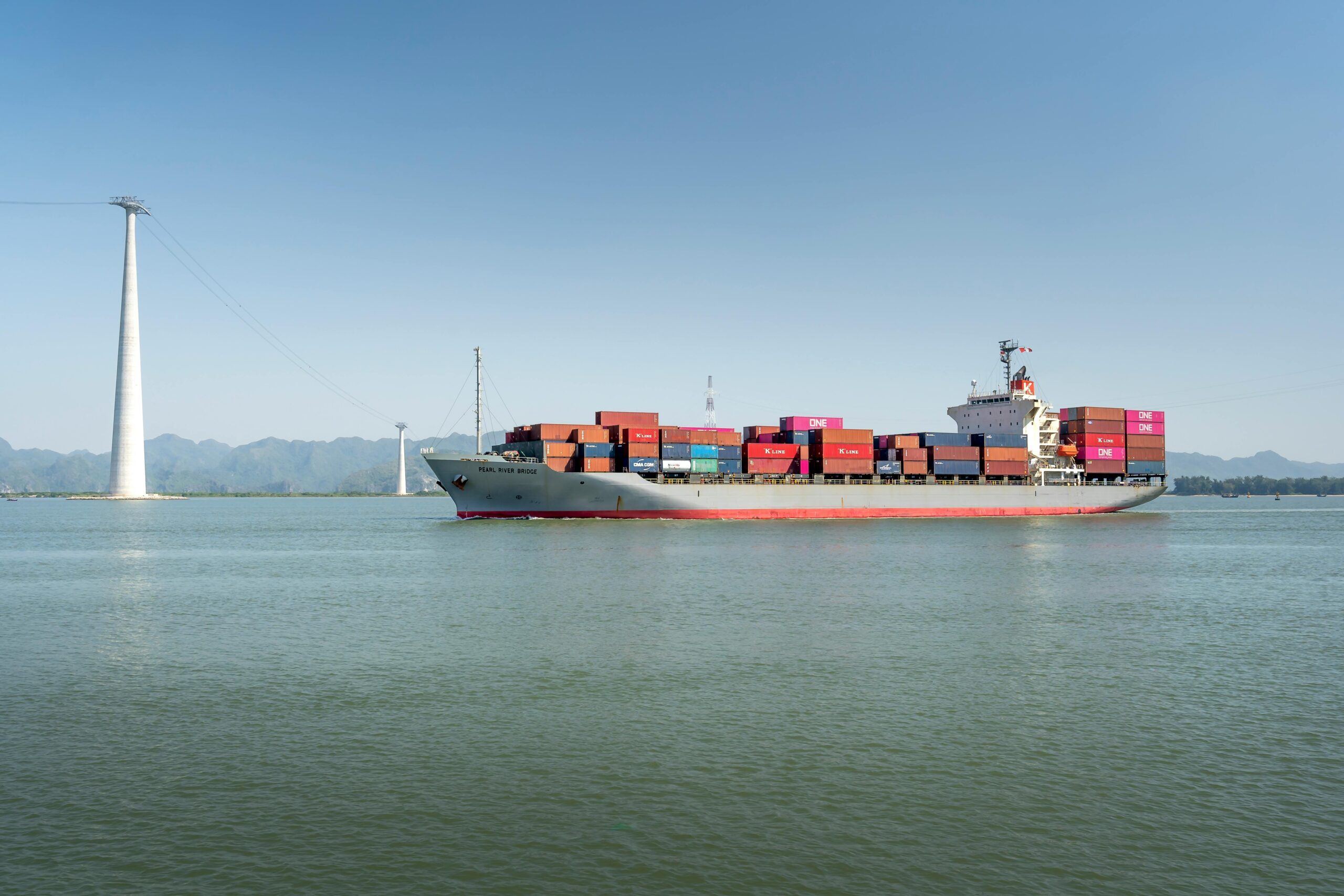
Begin by evaluating your current logistics setup. Identify the types of goods you're handling, their volume, and destinations. For instance, if you're dealing with international shipments, consider vessels like the "Plum River Bridge" container ship, which exemplifies modern maritime engineering. This magnificent ship is designed to carry massive quantities of cargo with precision, featuring an organized array of vivid containers from international logistics companies. Crafted for stability and speed, it minimizes drag in open waters, promoting fuel efficiency and sustainable practices. By assessing needs, you can determine if you require a comprehensive logistics service that includes sea, air, or land transportation logistics. Map out your supply chain: from sourcing materials to final delivery. Tools like inventory management software can help pinpoint bottlenecks, such as delays in transportation logistics. Aim to calculate costs, timelines, and potential risks early on—this foundational step ensures your logistics strategy aligns with business goals.
Step 2: Choose the Right Logistics Service Provider
Selecting a reliable logistics service is crucial for seamless operations. Look for providers with expertise in transportation logistics, offering end-to-end solutions from warehousing to delivery. The "Plum River Bridge" highlights the importance of partnering with world-renowned shipping lines, as its containers bear distinctive logos reflecting global collaborations. When vetting providers, check their fleet capabilities—do they have vessels or trucks optimized for your cargo? Evaluate their track record for on-time deliveries and sustainability efforts. For example, inquire about fuel-efficient ships that reduce environmental impact while maintaining speed. Negotiate contracts that include real-time tracking and insurance options to mitigate risks. A top-tier logistics service should integrate technology, like GPS monitoring, to provide visibility throughout the transportation logistics process. Compare quotes from multiple providers, focusing on those that foster connectivity and prosperity in international commerce, much like the "Plum River Bridge" does in maritime trade.
Step 3: Implement Efficient Transportation Logistics Strategies
Once you've chosen your provider, focus on streamlining transportation logistics. Start by optimizing routes using data analytics to avoid delays and cut costs. For sea freight, leverage ships like the "Plum River Bridge," available for charter, which ensure goods reach destinations reliably across global waterways. Implement just-in-time inventory to minimize storage needs and reduce holding costs. Train your team on best practices, such as proper packaging to withstand long-haul journeys. Integrate automation where possible—automated sorting systems in warehouses can speed up the logistics service pipeline. Monitor key performance indicators (KPIs) like delivery accuracy and transit times, adjusting as needed. Address challenges proactively: for perishable goods, prioritize refrigerated containers; for high-value items, opt for secure transportation logistics options. Sustainability is key—choose providers committed to green practices, echoing the efficient design of modern vessels that balance speed with eco-friendliness.
Step 4: Monitor, Optimize, and Scale Your Logistics Operations
Logistics is an ongoing process, so regular monitoring is vital. Use dashboards to track shipments in real-time, identifying issues like port congestions that could affect transportation logistics. Gather feedback from stakeholders to refine your logistics service. As your business grows, scale by expanding partnerships—perhaps chartering advanced ships for larger volumes. The "Plum River Bridge" serves as a beacon of such scalability, ready to forge through waterways carrying promises of global connectivity. Conduct periodic audits to ensure compliance with international regulations, and invest in emerging technologies like AI for predictive analytics. By continuously optimizing, you'll enhance efficiency, reduce costs, and build resilience against disruptions. Ultimately, a well-mastered logistics framework not only streamlines operations but also drives competitive advantage in the global marketplace.





