
Understanding the Essentials of Logistics
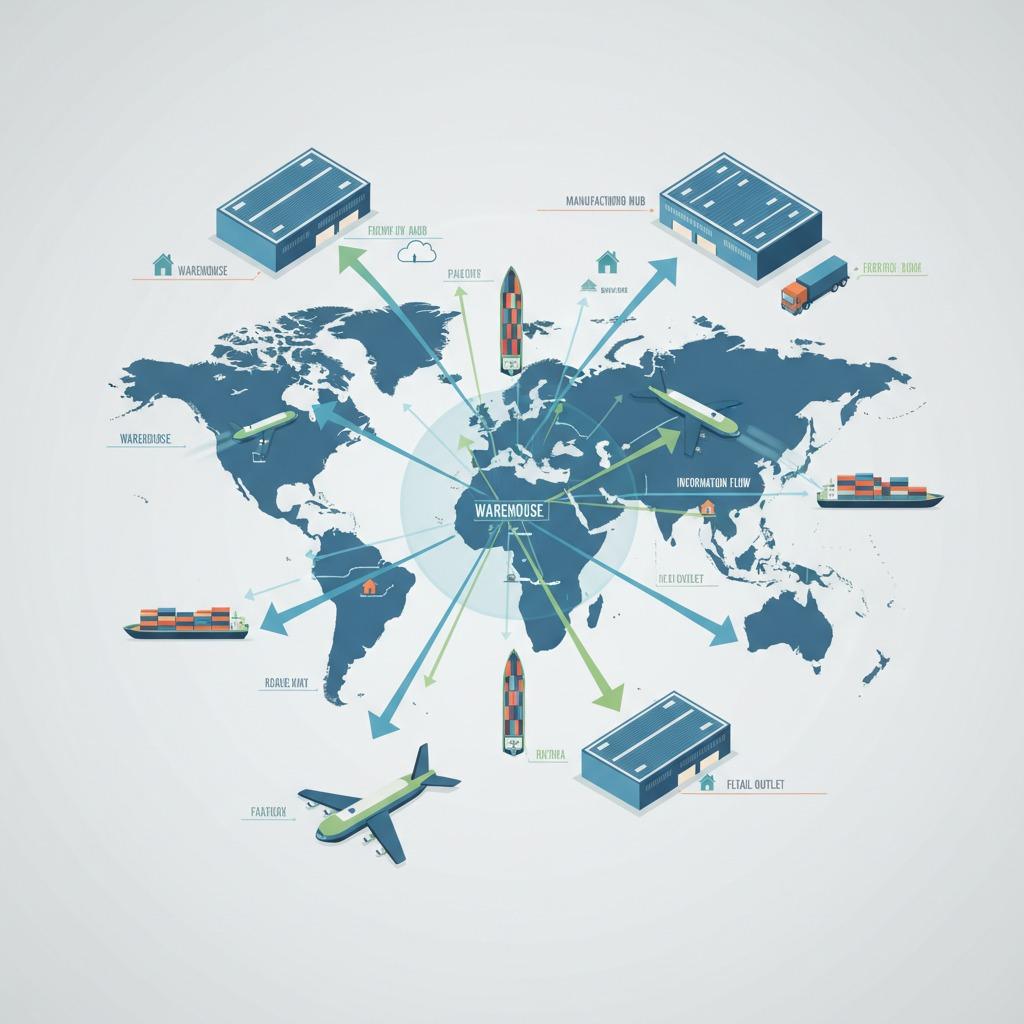
Logistics forms the backbone of modern global trade, encompassing the planning, implementation, and control of the efficient movement and storage of goods, services, and information from origin to consumption. In today's interconnected world, effective logistics ensures that products reach their destinations on time, minimizing costs and maximizing customer satisfaction. Whether it's coordinating supply chains for manufacturing or managing inventory for retail, logistics integrates various transportation modes to streamline operations. This discipline is crucial for businesses aiming to stay competitive in a fast-paced economy, where delays can lead to significant financial losses.
The Role of Aviation in Logistics
Aviation plays a pivotal role in logistics, particularly for time-sensitive shipments that require rapid delivery across continents. Cutting-edge passenger aircraft exemplify this integration, blending passenger transport with enhanced cargo capabilities to offer versatile solutions for commercial operators. These modern jets feature sleek, aerodynamic profiles designed for maximum fuel efficiency and speed, while maintaining low emissions to align with sustainability goals. High-powered engines reduce noise levels, enhancing passenger comfort and operational efficiency. Inside, advanced cabin technology and superior air filtration systems ensure a premium experience, but it's the spacious layout and cargo versatility that make these aircraft indispensable in logistics networks. For industries like e-commerce and pharmaceuticals, where speed is paramount, such aircraft facilitate seamless air freight, reducing transit times and enabling just-in-time delivery models.
Maritime Infrastructure: The Heart of Global Logistics
Maritime logistics dominates international trade, handling the bulk of global cargo through expansive port facilities equipped with state-of-the-art technology. Sprawling ports showcase automated container terminals that optimize storage and access, allowing high-volume handling with minimal delays. Robust crane technology, including large dockside gantry cranes, moves containers with precision, ensuring smooth workflows from arrival to distribution. Integrated shipping and logistics facilities, complete with berthing docks and storage yards, leverage strategic positions along key maritime routes to accelerate imports and exports. Moreover, eco-conscious designs incorporate renewable energy sources and waste management systems, promoting environmental sustainability without compromising efficiency. These ports are vital for economies reliant on sea trade, processing millions of tons of goods annually and supporting everything from raw materials to consumer products.
Advanced Tools in Port Operations and Logistics
Enhancing port efficiency, advanced harbor tug solutions represent innovation in maritime logistics. These robust tugboats, designed for powerful maneuvering, assist in vessel towing, ship escorting, and emergency operations within confined spaces. Featuring high-powered engines for superior propulsion and advanced navigation systems for precision steering, they ensure safety and reliability, especially during night operations. Compact yet ergonomic designs allow easy navigation in crowded harbors, complementing industrial cranes that handle loading and unloading. This synergy between tugboats and cranes underscores a comprehensive approach to logistics, minimizing downtime and maximizing throughput. In an era where supply chain disruptions are common, such tools provide the resilience needed for uninterrupted global trade, contributing to cost-effective and greener operations.
The Future of Logistics: Integration and Sustainability
Looking ahead, logistics is evolving towards greater integration of technology and sustainability practices. From AI-driven route optimization in aviation to blockchain for tracking in ports, innovations are reducing inefficiencies and enhancing transparency. The emphasis on low-emission aircraft and eco-friendly port infrastructure highlights a commitment to environmental responsibility, aligning with global regulations and consumer demands. As businesses navigate challenges like geopolitical tensions and climate change, robust logistics strategies will be key to resilience. By fostering collaboration across aviation, maritime, and ground transport, the industry ensures a seamless flow of goods, driving economic growth and innovation worldwide. Ultimately, mastering logistics not only boosts operational efficiency but also positions companies at the forefront of a sustainable future.





