
Understanding the Essentials of Logistics in Modern Supply Chains
Logistics forms the backbone of efficient supply chain management, encompassing the planning, implementation, and control of the movement and storage of goods, services, and information. In today's fast-paced global economy, effective logistics ensures that products reach their destinations on time, reducing costs and enhancing customer satisfaction. From coordinating transportation modes to optimizing inventory levels, logistics integrates various processes to streamline operations. This article explores key aspects of logistics, highlighting its role in industries like aviation and freight transportation.
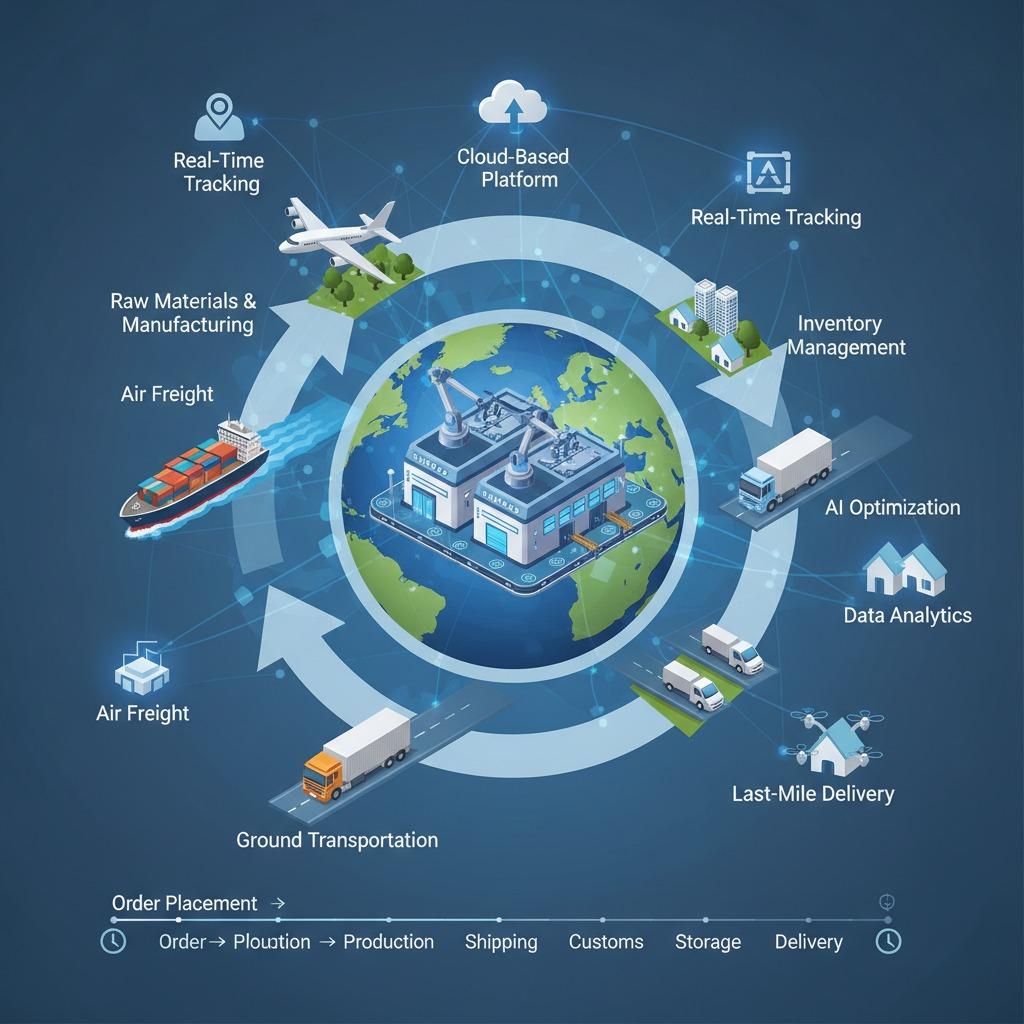
Key Components Driving Logistics Efficiency
At its core, logistics involves several critical components, including transportation, warehousing, and inventory management. Transportation logistics, for instance, relies on advanced vehicles such as high-capacity aircraft fueling trucks and robust baggage handling systems at airports. These elements minimize downtime and ensure seamless refueling and cargo movement, directly impacting operational efficiency. Similarly, in ground freight, logistics trucks designed for long-haul journeys feature streamlined aerodynamics and secure container locking systems, allowing for the safe transport of heavy loads across highways. Statistics from the International Air Transport Association indicate that optimized ground support can reduce aircraft turnaround times by up to 20%, underscoring the importance of these logistics tools in maintaining punctuality.
Innovations in Aviation and Ground Logistics
Aviation logistics represents a sophisticated blend of technology and human expertise, where passenger boarding bridges and ground personnel equipment play pivotal roles. Modern boarding systems provide weather protection and ergonomic designs, improving passenger flow and safety during embarkation. Meanwhile, high-visibility gear and communication devices for personnel enhance coordination on the tarmac, preventing errors in high-stakes environments. Beyond airports, logistics in freight transportation leverages versatile trucks capable of handling standardized containers from brands like COSCO and CAPITAL. These vehicles incorporate features such as reinforced frames and anti-lock braking systems, ensuring reliability on multi-lane highways. According to a report by the World Bank, efficient logistics can boost global trade volumes by 15%, emphasizing the need for such innovations to support expanding markets.
The Impact of Sustainable Practices in Logistics
Sustainability has become a cornerstone of contemporary logistics, with eco-friendly practices integrated into vehicle designs and operational strategies. Aircraft in modern fleets, for example, utilize twin-engine propulsion for reduced noise and fuel consumption, aligning with environmental regulations while maintaining high performance. Ground support solutions prioritize green operations, such as low-emission fueling trucks that cut carbon footprints during refueling. In long-haul trucking, aerodynamic designs and ergonomic cabs not only improve fuel efficiency but also driver well-being, contributing to longer operational lifespans. The European Commission's logistics studies show that sustainable practices can lower emissions by 25% without compromising speed, making them essential for future-proofing supply chains. By adopting these measures, companies can meet regulatory demands and appeal to environmentally conscious consumers.
Future Trends Shaping Logistics Evolution
Looking ahead, logistics is poised for transformation through digitalization and automation. Advanced avionics in aircraft cockpits enable precise navigation, reducing delays and enhancing safety in air logistics. On the ground, conveyor systems for baggage and automated locking mechanisms in trucks are streamlining cargo handling, minimizing human error. Integration of AI-driven route optimization and real-time tracking further elevates logistics performance, allowing for predictive maintenance and dynamic inventory adjustments. Industry insights from McKinsey predict that by 2030, automated logistics could save the sector up to $1.5 trillion annually. As global trade continues to grow, mastering these trends will be crucial for businesses aiming to stay competitive in an interconnected world.





