
Mastering Modern Logistics: A Step-by-Step Guide to Streamlining Global Supply Chains
In today's fast-paced world, effective logistics forms the backbone of successful global trade. Whether you're managing shipments across continents or optimizing local deliveries, understanding how to implement advanced logistics strategies can transform your operations. This guide will walk you through practical steps to harness cutting-edge technologies and systems, drawing from innovations like the Integrated Global Transit System, which seamlessly integrates air and maritime transport for unparalleled efficiency.
Step 1: Assess Your Current Logistics Framework
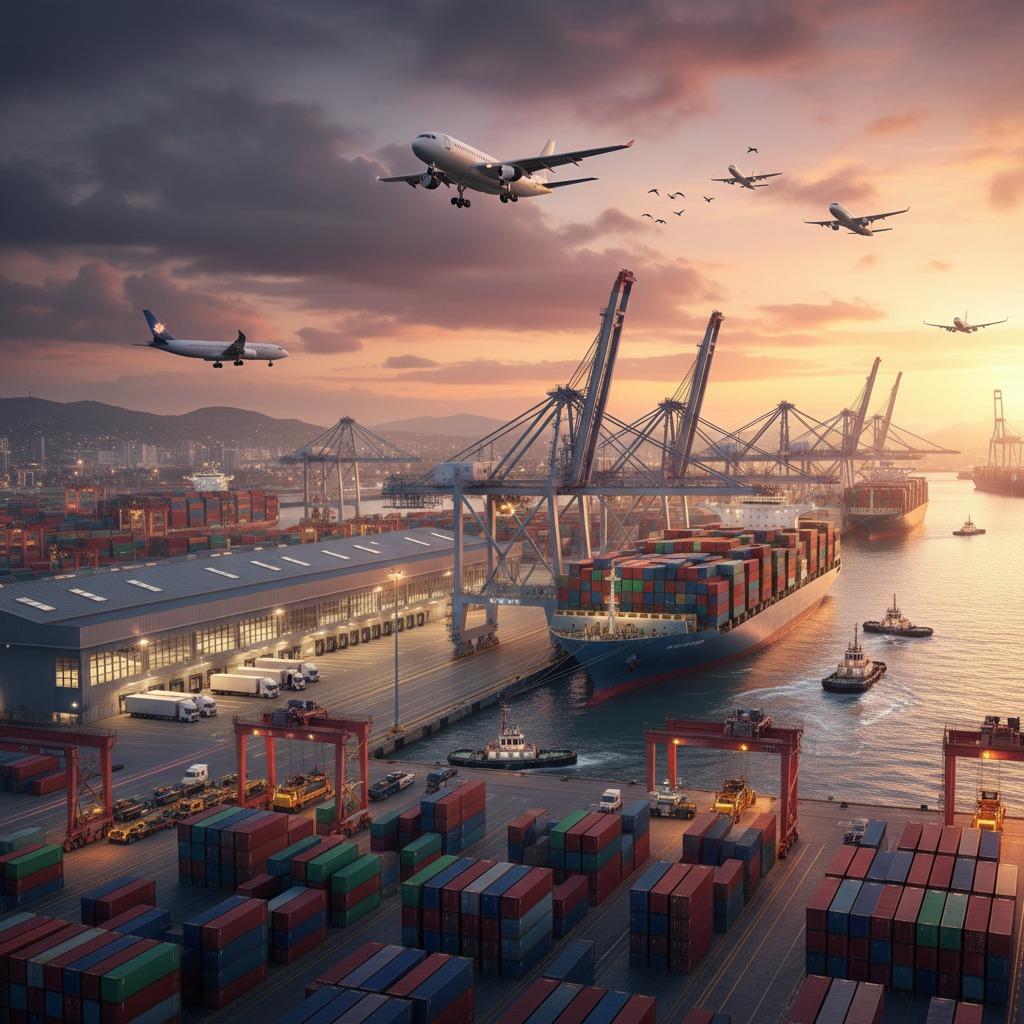
Before diving into improvements, start by evaluating your existing logistics setup. Analyze your supply chain from end to end—identify bottlenecks in transportation, warehousing, and delivery processes. For instance, map out how goods move from suppliers to warehouses and then to customers. Use tools like data analytics software to track key metrics such as transit times, costs, and error rates. In the context of modern logistics, consider how integrated systems can address these issues. Picture a bustling logistics hub where air, sea, and land operations synchronize: advanced warehouses with multiple docking bays handle trucks efficiently, while overhead airplanes ensure rapid international connections. This assessment phase helps pinpoint areas where technology, like real-time tracking and AI-driven route optimization, can reduce delays and minimize environmental impact. Aim to document inefficiencies, such as manual container handling at ports, and set clear goals for enhancement, ensuring your logistics aligns with sustainable practices.
Step 2: Integrate Advanced Technologies for Seamless Operations
Once you've assessed your needs, the next step is to incorporate smart technologies into your logistics operations. Begin by adopting AI-powered platforms that optimize routes and predict disruptions, much like those in the Integrated Global Transit System, which merges passenger jets with eco-friendly cargo ships for fuel-efficient journeys. Implement real-time tracking systems to monitor shipments from ports to final destinations—towering cranes at harbors can now use robotic automation for precise container transfers, while autonomous trucks navigate docks to boost productivity. Set up a centralized dashboard for visibility across air, maritime, and ground transport. For example, at a state-of-the-art warehouse illuminated by twilight, integrate high-speed rail alongside road networks to expedite goods movement. Train your team on these tools, focusing on how they support varied cargo types and volumes. This integration not only cuts transit times but also promotes sustainability by reducing emissions through optimized propulsion systems on ships and jets. Ensure scalability by starting small, perhaps with a pilot program at one hub, before expanding globally.
Step 3: Optimize Warehousing and Port Management
Warehousing and port efficiency are critical pillars of robust logistics. Begin by redesigning your facilities for multi-modal operations, where sea, air, and land converge harmoniously. Install advanced crane technology at ports to handle large container volumes swiftly, as seen in innovative harbors where sunset views highlight synchronized robotic systems. Upgrade to automated storage and retrieval systems (AS/RS) in warehouses to speed up loading and unloading—imagine docking bays managing fleets of trucks with precision, reducing wait times. Incorporate eco-friendly practices, such as solar-powered cranes and fuel-efficient vehicles, to align with global sustainability goals. Conduct regular audits to ensure seamless transitions between transport modes, like transferring goods from colossal ships to high-speed trains. Partner with logistics providers who emphasize adaptability, ensuring your setup supports round-the-clock operations and international networks. By focusing on meticulous planning for space optimization and balance in container ships, you'll achieve faster, more secure deliveries that redefine global commerce.
Step 4: Monitor, Adapt, and Scale Your Logistics Strategy
Finally, establish ongoing monitoring to refine your logistics processes. Use performance analytics to measure improvements in delivery speeds and cost savings, adjusting AI algorithms as needed for better route predictions. In a visionary system like the Integrated Global Transit System, real-time data from air and sea operations ensures timely arrivals amid changing market demands. Schedule quarterly reviews to adapt to new technologies, such as enhanced autonomous vehicles or greener propulsion methods. Scale by expanding to additional hubs, fostering global connectivity—one seamless journey at a time. Emphasize training and collaboration to build a resilient team capable of handling evolving challenges. This continuous improvement loop not only enhances reliability but also positions your business as a leader in innovative logistics solutions, embodying speed, efficiency, and excellence in an ever-changing landscape.





