
Mastering Modern Logistics: A Step-by-Step Guide to Streamlining Global Supply Chains
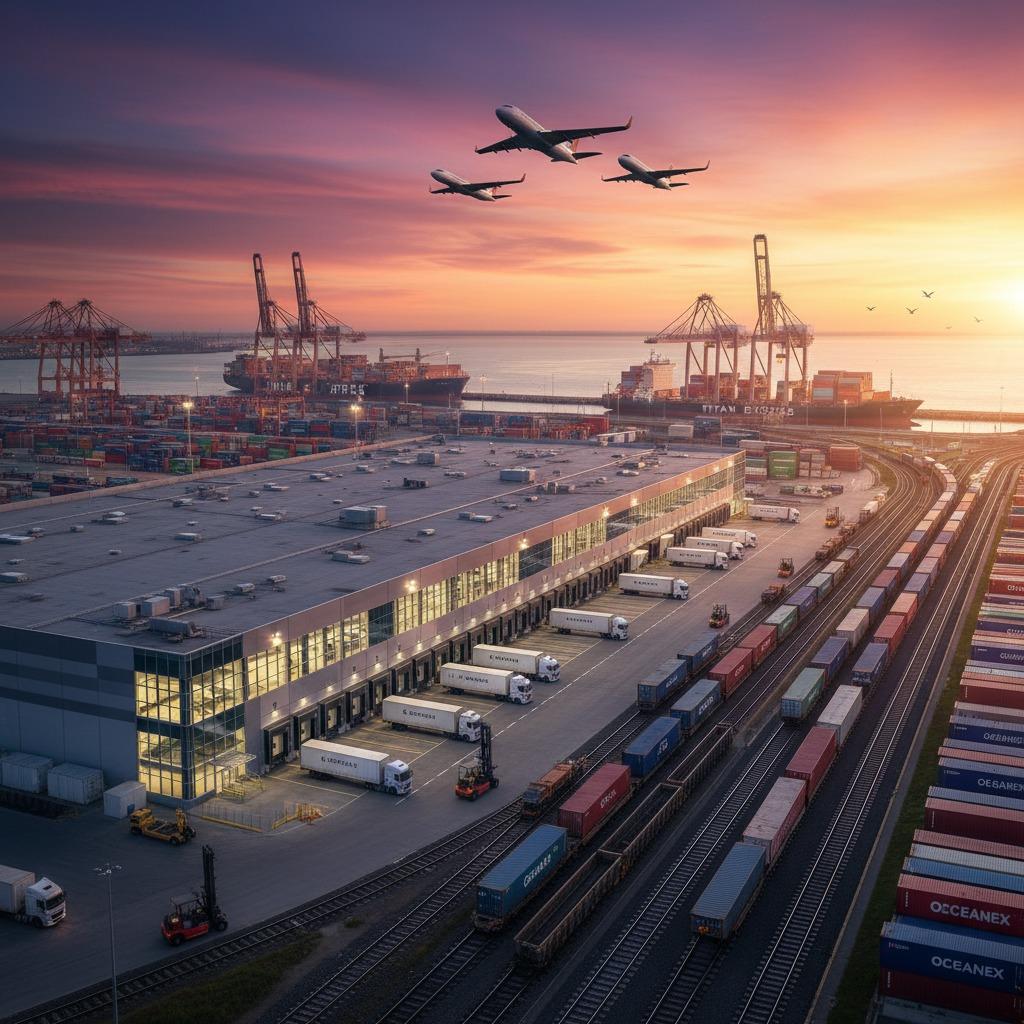
In today's fast-paced world, logistics stands as the backbone of global trade, ensuring goods move efficiently from origin to destination. Whether you're a business owner optimizing your supply chain or a logistics enthusiast exploring innovations, understanding logistics is crucial for success. This guide provides step-by-step instructions on leveraging cutting-edge solutions like intermodal transport hubs and automated shipping terminals to revolutionize your operations.
Step 1: Assess Your Current Logistics Setup
Before diving into advanced strategies, evaluate your existing logistics framework. Start by mapping out your current supply chain: identify key touchpoints from procurement to delivery. Analyze pain points such as delays in transportation or inefficiencies in warehousing. For instance, if you're relying solely on road transport, consider how integrating air and sea logistics could reduce transit times. Tools like supply chain software can help visualize bottlenecks. Gather data on costs, timelines, and error rates to set benchmarks. This foundational step ensures that any upgrades, like adopting an intermodal transport hub, align with your specific needs, promoting a seamless transition to more efficient logistics practices.
Step 2: Embrace Intermodal Transportation for Seamless Connectivity
Intermodal transportation, a core aspect of modern logistics, combines air, sea, land, and rail for optimal efficiency. Begin by selecting a strategic hub that integrates these modes—think of facilities where towering cranes load containers from cargo ships onto waiting trucks or trains, while cargo planes prepare for swift aerial delivery. To implement this, partner with providers offering state-of-the-art infrastructure, such as expansive warehouses with natural lighting and multiple loading docks. Step-by-step, plan your routes: prioritize high-volume goods for sea and rail to cut costs, reserving air logistics for time-sensitive items. Ensure real-time tracking systems are in place to monitor progress. By fostering this synergy, you'll achieve faster deliveries and lower emissions, redefining logistics in your operations.
Step 3: Integrate Automation and AI for Enhanced Efficiency
Automation is transforming logistics into a precise, predictive science. Start by introducing AI-driven systems at your shipping terminals, where advanced cranes and autonomous vehicles handle container movements with minimal human intervention. Follow these steps: First, audit your terminal for automation compatibility, focusing on areas like scheduling and inventory management. Next, deploy smart technologies for real-time tracking and predictive analytics to forecast demand and prevent disruptions. Train your team on these tools to maximize adoption. For example, in an automated shipping terminal, AI optimizes throughput by minimizing downtime, ensuring containers flow effortlessly from port to final destination. This not only boosts speed but also incorporates sustainable practices, reducing energy use and supporting eco-friendly logistics.
Step 4: Optimize Warehousing and Last-Mile Delivery
No logistics strategy is complete without robust warehousing and efficient last-mile delivery. Begin by designing or upgrading warehouses with features like glass-enclosed spaces for better visibility and workflow. Organize inventory using RFID tags for quick access. For last-mile, integrate fleet management software to route trucks dynamically, considering traffic and weather. Step-by-step, segment deliveries by urgency: use air logistics for express needs and sea for bulk. Regularly review performance metrics to refine processes. Facilities with integrated rail tracks can further streamline this, allowing goods to transfer modes without interruption, enhancing overall logistics reliability.
Step 5: Monitor, Adapt, and Scale Your Logistics Operations
Finally, continuous improvement is key in logistics. Implement dashboards for ongoing monitoring of KPIs like delivery accuracy and cost per shipment. Conduct quarterly audits to adapt to market changes, such as new trade regulations or tech advancements. Scale by expanding partnerships for global reach, ensuring your logistics network remains agile. By following these steps, from assessment to scaling, you'll harness the power of innovative hubs and terminals, positioning your business at the forefront of logistics excellence. This approach not only cuts costs but also builds resilience in an ever-evolving global landscape.





