
Mastering Logistics: A Step-by-Step Guide to Streamlining Global Supply Chains
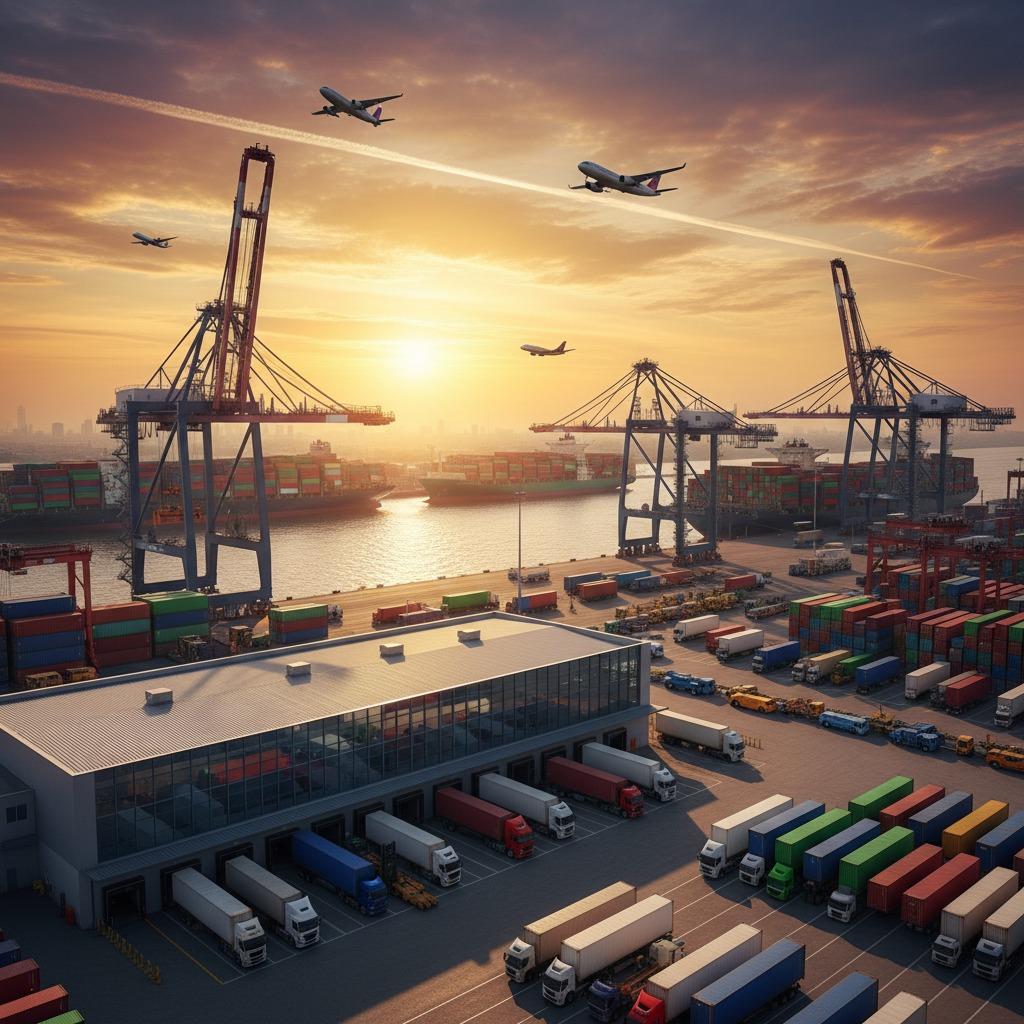
In today's fast-paced global economy, logistics stands as the backbone of efficient business operations, ensuring that goods move seamlessly from origin to destination. Whether you're managing a small enterprise or a multinational corporation, understanding and optimizing logistics can significantly reduce costs and improve delivery times. This guide will walk you through practical steps to enhance your logistics strategies, drawing on innovative solutions like integrated air and sea transport systems to revolutionize how you handle supply chains.
Step 1: Assess Your Current Logistics Framework
Begin by evaluating your existing logistics setup. Identify key bottlenecks such as delays in transportation, inventory mismanagement, or inefficient routing. For instance, if your operations rely heavily on traditional sea freight, consider how integrating air logistics could accelerate urgent shipments. Gather data on your current throughput, costs, and timelines. Tools like logistics software can help map out these processes, revealing areas where automation, such as AI-driven terminal systems, could streamline container handling. This initial assessment sets the foundation for targeted improvements, ensuring that every aspect of your logistics aligns with business goals. Aim to document inefficiencies quantitatively— for example, calculate average transit times and error rates—to prioritize high-impact changes.
Step 2: Integrate Multimodal Transportation Solutions
Once you've assessed your needs, focus on building a multimodal logistics network that combines air, sea, and land transport for maximum efficiency. Start by selecting strategic hubs, like state-of-the-art facilities adjacent to bustling ports with dedicated runways and high-speed rail connections. Implement seamless transfer protocols between modes; for air logistics, prioritize aircraft designed for quick loading and minimal environmental impact, while sea operations benefit from automated cranes and autonomous trucks. Develop partnerships with reliable carriers to ensure synchronized schedules. A practical tip is to use real-time tracking technologies in a central command center to monitor shipments across channels. This integration not only cuts down on delays but also enhances reliability, allowing businesses to promise on-time deliveries even for cross-continental journeys. Test this setup with pilot shipments to refine handoffs and optimize routes.
Step 3: Leverage Automation and Technology in Logistics
Technology is a game-changer in modern logistics, so incorporate automation to boost precision and speed. Install smart sensors on cranes and vehicles for real-time data monitoring, reducing human error and enabling 24/7 operations. For maritime logistics, deploy AI systems that predict maintenance needs and optimize container stacking. In air logistics, use advanced booking platforms to coordinate with aviation tech for efficient cargo bays. Train your team on these tools to ensure smooth adoption—start with workshops on software interfaces. Additionally, emphasize eco-friendly practices, like low-emission trucks and fuel-efficient jets, to meet sustainability standards. Monitor key performance indicators (KPIs) such as throughput volume and emission levels post-implementation to measure success and make iterative adjustments.
Step 4: Optimize Inventory and Risk Management in Logistics
With transportation streamlined, turn attention to inventory control within your logistics ecosystem. Adopt just-in-time (JIT) principles to minimize storage costs while maintaining supply flow. Use predictive analytics to forecast demand, integrating data from all transport modes to avoid overstocking at ports or airports. Establish contingency plans for disruptions, such as weather delays in sea logistics or airspace restrictions in air routes—diversify carriers and build buffer stocks strategically. Regular audits will help refine these processes, ensuring resilience. By balancing efficiency with risk mitigation, your logistics operations will become more robust, supporting scalable growth.
Step 5: Measure, Refine, and Scale Your Logistics Operations
Finally, continuously evaluate and scale your logistics efforts. Set up dashboards for ongoing KPI tracking, including cost per shipment, delivery accuracy, and customer satisfaction. Gather feedback from stakeholders to identify further enhancements, such as expanding automated terminals for higher volume handling. As your business grows, reinvest savings from optimized logistics into innovative expansions, like global trade networks with enhanced connectivity. This iterative approach ensures that logistics remains a competitive advantage, driving long-term success in an interconnected world.





