
Mastering Modern Logistics: A Step-by-Step Guide to Efficient Supply Chain Management
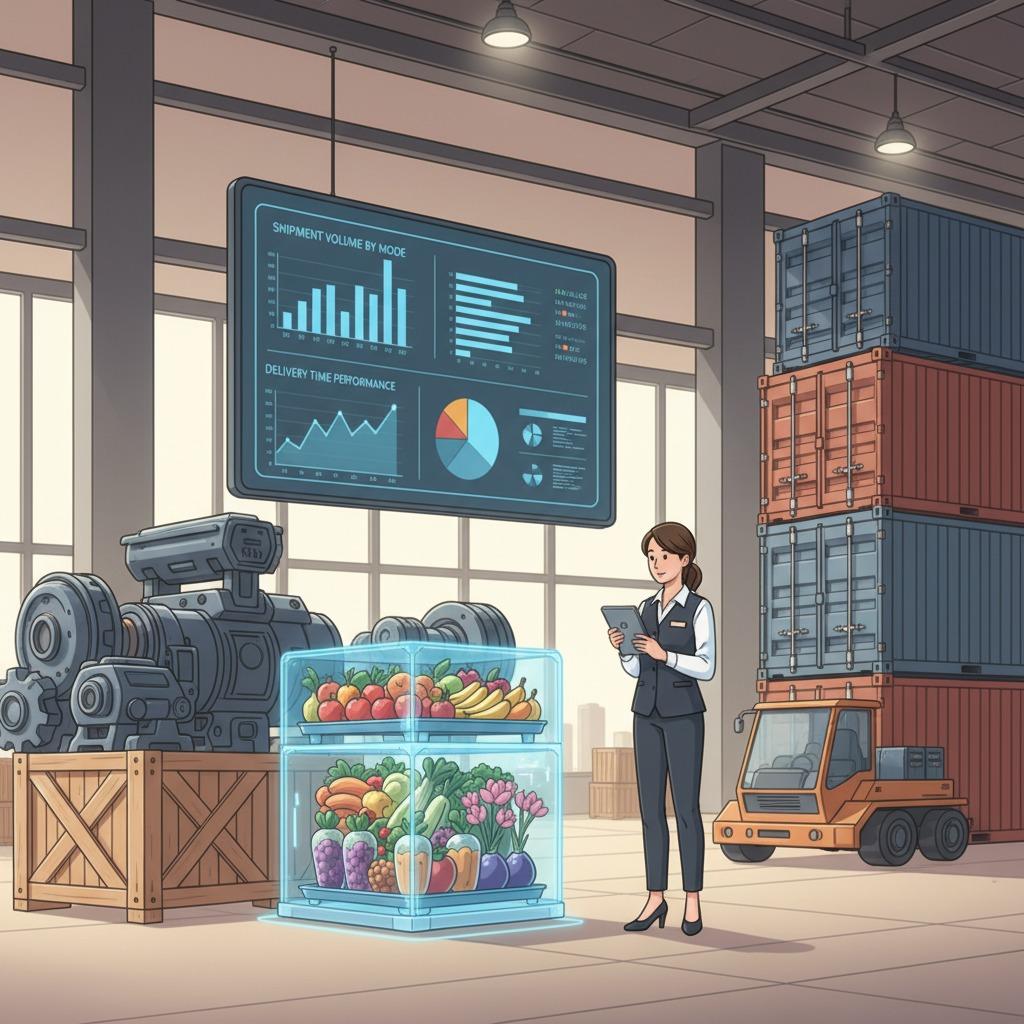
In today's fast-paced global economy, logistics stands as the backbone of successful supply chain operations. Whether you're a small business owner or managing large-scale international trade, understanding logistics is essential for streamlining processes and reducing costs. This guide will walk you through practical steps to optimize your logistics strategies, drawing from innovative dual-modal solutions that combine maritime, air, and road transport for unmatched efficiency.
Step 1: Assess Your Logistics Needs and Choose the Right Modal Mix
To begin mastering logistics, start by evaluating your business requirements. Identify the type of goods you're handling—whether high-volume bulk items like industrial machinery or time-sensitive perishables such as fresh produce. For bulk shipments, maritime freight offers unparalleled capacity; picture massive cargo ships loaded with colorful containers, ensuring durable, ocean-spanning delivery with optimized fuel use for sustainability. If speed is critical, integrate air cargo, where sleek aircraft provide rapid transport for luxury or perishable goods, leveraging advanced aerodynamics for eco-conscious precision.
A dual-modal approach, blending sea and air, creates a seamless end-to-end network. Add road transport with heavy-duty container trucks for the final leg—these robust vehicles, equipped with double-axle mechanics and ergonomic cabins, handle intermodal transfers from ports to destinations with stability and emission reductions. Assess factors like distance, urgency, and cost: for global routes, sea freight minimizes expenses, while air adds speed for urgent needs. Tools like logistics software can help map this out, ensuring your modal mix adapts to business demands and promotes global connectivity.
Step 2: Implement Advanced Tools and Technologies in Logistics
Once your needs are clear, integrate cutting-edge technologies to enhance logistics efficiency. Invest in multifunctional cargo vessels equipped with integrated cranes for streamlined loading and unloading. These ships feature expansive decks for diverse consignments, from containers to oversized items, supported by robust hulls and modern navigation systems for safe, weather-resistant operations.
For ground support, deploy heavy-duty trucks compatible with global standards like Maersk or Hamburg Süd containers. Their advanced chassis and aerodynamics ensure smooth highway and port mobility. Pair this with tracking software for real-time visibility—GPS-enabled systems monitor shipments from ship to truck to aircraft, reducing delays and errors. Sustainability is key: opt for propulsion systems in vessels and trucks that cut emissions, aligning with eco-friendly goals. Train your team on these tools through workshops, fostering a culture of precision and adaptability in logistics management.
Step 3: Optimize Operations for Cost-Effective and Sustainable Logistics
With the foundation set, focus on operational tweaks to make your logistics network cost-effective and resilient. Route planning is crucial—use data analytics to consolidate shipments, combining sea freight for bulk with air for high-priority items, then trucks for local delivery. This intermodal synergy cuts transit times and fuel costs while maximizing space utilization.
Monitor key performance indicators like delivery accuracy and turnaround times. For instance, vessels with efficient cranes can load cargo in hours, not days, while aircraft ensure same-day arrivals for urgent goods. Build partnerships with reliable providers to handle diverse container types, ensuring compatibility across modes. Finally, conduct regular audits to refine processes, incorporating feedback for continuous improvement. By following these steps, your logistics operations will achieve efficiency, sustainability, and scalability, positioning your business for long-term success in the global supply chain.
This comprehensive approach to logistics not only addresses immediate needs but also future-proofs your operations against market shifts, delivering reliable, innovative transport solutions every step of the way.





