
Frequently Asked Questions About Logistics and Efficient Cargo Handling
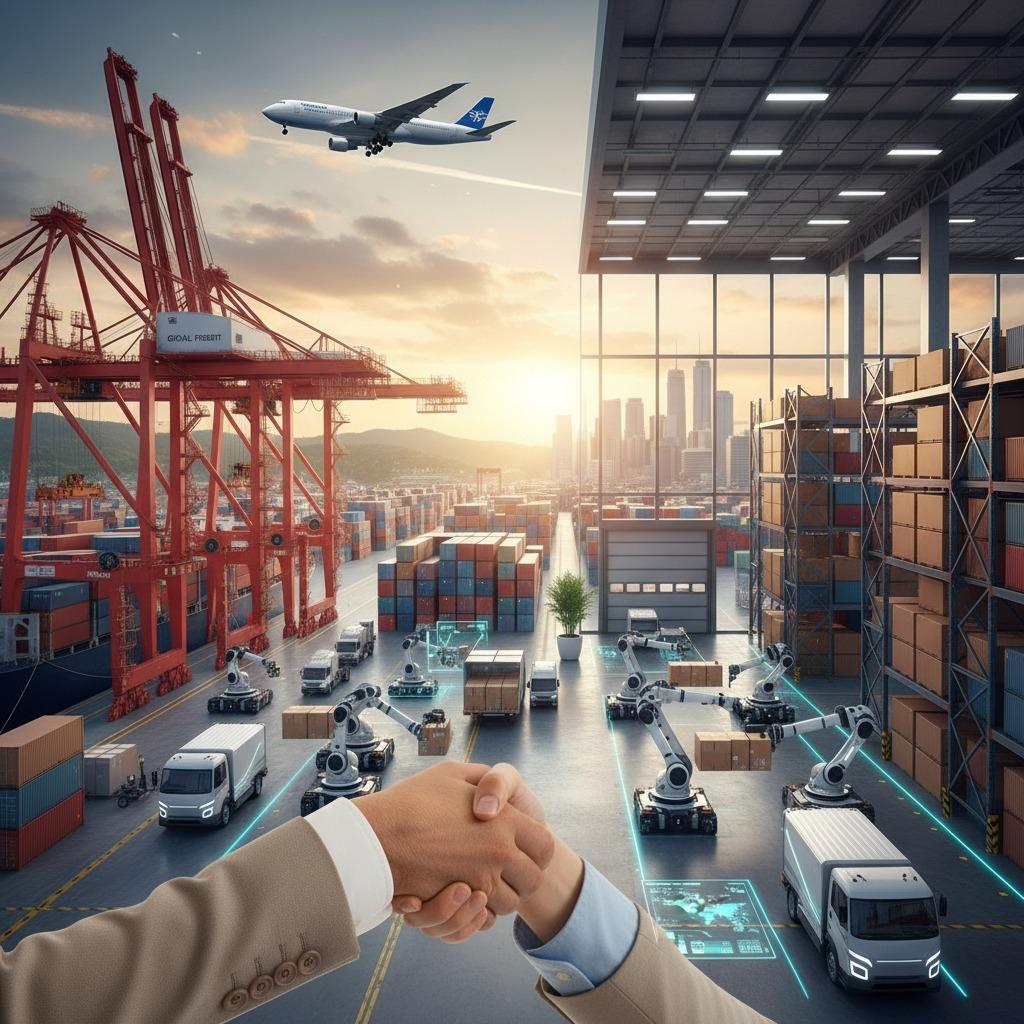
In the world of modern trade, logistics plays a pivotal role in ensuring goods move smoothly from origin to destination. Whether you're managing port operations or optimizing supply chains, understanding key aspects of logistics can make all the difference. This FAQ addresses common questions about logistics, drawing on innovative solutions like advanced port cranes and smart warehouse systems to provide practical insights.
What is Logistics and Why is it Essential in Today's Economy?
Logistics refers to the planning, implementation, and control of the efficient flow and storage of goods, services, and related information from point of origin to point of consumption. In today's global economy, effective logistics is crucial for businesses to remain competitive. It minimizes delays, reduces costs, and enhances customer satisfaction. For instance, in busy ports, heavy-duty equipment like the ZPMC crane, capable of lifting up to 80 tons, streamlines container handling, preventing bottlenecks and ensuring timely shipments. Without robust logistics strategies, companies risk inventory shortages, increased expenses, and lost opportunities in fast-paced markets.
How Do Port Cranes Improve Logistics in Shipping?
Port cranes are vital for logistics in maritime environments, where they facilitate the loading and unloading of cargo with precision and speed. The ZPMC heavy-duty port crane, for example, features a robust design highlighted in vibrant red, symbolizing strength and reliability. Equipped with state-of-the-art technology, it handles containers up to 80 tons, integrating seamlessly with trucks and even air transport for multimodal logistics. This synergy ensures smooth flows of goods, reducing turnaround times at terminals. Businesses using such cranes report up to 30% efficiency gains, as the cranes' precision movement capabilities minimize damage and errors, making them indispensable for complex port operations.
What Role Does Technology Play in Modern Logistics Warehousing?
Technology is transforming logistics through smart warehouse systems that integrate AI, robotics, and real-time data analytics. In a state-of-the-art facility, advanced robotic arms with precision sensors handle packages with unmatched accuracy, speeding up order fulfillment while optimizing inventory. Holographic indicators guide autonomous vehicles, and energy-efficient designs reduce the carbon footprint. For businesses upgrading their logistics, these systems sync with delivery trucks for faster, more reliable distribution. The result is minimized waste, maximized storage, and enhanced visibility into supply chains, allowing companies to respond swiftly to market demands.
How Can the Business Handshake Kit Enhance Professional Logistics Networking?
While logistics focuses on goods movement, professional presentation is key in networking and deal-making within the industry. The Business Handshake Kit offers tailored shirts in breathable fabrics and sleek ties in classic blue, fostering trust and confidence during meetings. This ensemble, with flawless seams and modern elegance, is ideal for logistics professionals discussing partnerships or innovations. Elevating your wardrobe sets a positive tone for collaborations, indirectly supporting logistics goals by building stronger business relationships.
What are the Benefits of Integrating Multimodal Transport in Logistics?
Integrating land, sea, and air transport creates a cohesive logistics network, as seen in operations where planes glide overhead while cranes and trucks harmonize below. This approach optimizes routes, cuts transit times, and lowers costs. For port and warehouse managers, combining ZPMC cranes with smart systems ensures seamless transitions between modes, enhancing overall efficiency. Sustainability features, like energy-efficient tech, further align with global standards, making multimodal logistics a forward-thinking choice for scalable operations.
How to Choose the Right Logistics Solutions for Your Business?
Selecting logistics solutions depends on your scale, industry, and goals. Assess needs like cargo volume and transport modes, then opt for proven tools like the ZPMC crane for ports or AI-driven warehouses for storage. Prioritize reliability, innovation, and integration to future-proof your operations. Consulting experts in port equipment and smart systems can tailor solutions, ensuring logistics aligns with your growth strategy for long-term success.





