
Mastering Modern Logistics: A Step-by-Step Guide to Streamlining Your Supply Chain
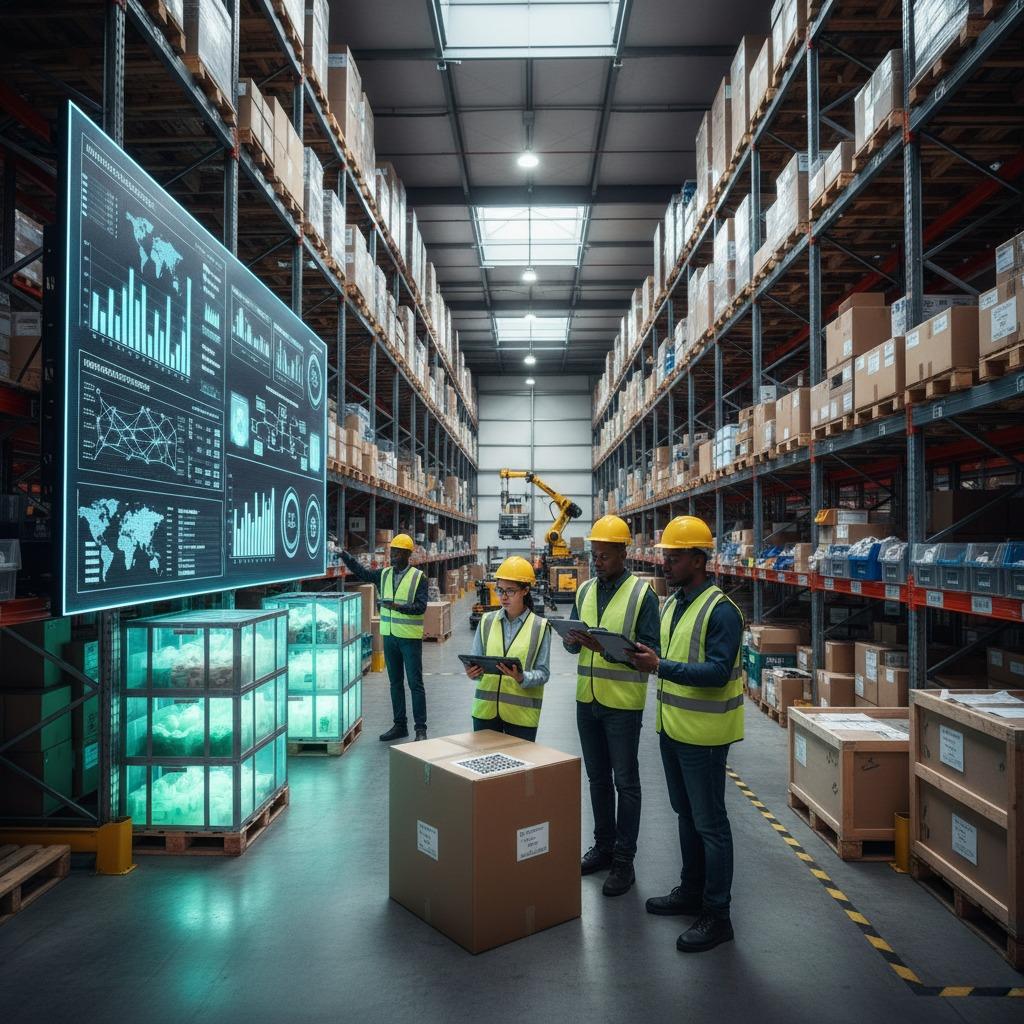
In today's fast-paced global economy, effective logistics forms the backbone of successful businesses across industries like manufacturing, retail, and international trade. Whether you're managing shipments via container trucks or innovative vessels, mastering logistics ensures efficiency, safety, and sustainability. This guide provides step-by-step instructions to help you implement cutting-edge solutions, drawing from advanced systems like modular storage and smart tracking to optimize your operations.
Step 1: Assess Your Current Logistics Setup
Begin by evaluating your existing logistics infrastructure to identify bottlenecks and opportunities for improvement. Start with a thorough audit of your supply chain, examining everything from warehousing to transportation. For instance, review how your current storage solutions handle freight—consider if lightweight, durable cardboard boxes branded for secure stacking could replace outdated methods. In global freight handling, check for integration points where LED lighting in containers can enhance visibility during loading and unloading, reducing errors in low-light conditions. Gather data on your shipment volumes, routes, and timelines using digital tools like tablets for real-time inventory monitoring. Involve your team, including operators in high-visibility safety gear, to pinpoint pain points such as delays in port operations or inefficient space utilization in shipping yards. This assessment phase typically takes 1-2 weeks and sets the foundation for targeted enhancements in logistics.
Step 2: Integrate Smart Warehousing and Storage Solutions
Once your setup is assessed, focus on adopting modular storage systems to revolutionize your logistics flow. Select standardized boxes designed for shipping containers, ensuring they are lightweight yet robust to protect goods during transit. Implement a multilayer shipping system by organizing pallets for optimal space management—think stacked containers in a bustling yard, loaded efficiently onto trucks or vessels. Introduce container-integrated LED lighting to improve safety and accuracy during inspections. Equip your team with operator tools like digital devices for tracking shipments in real-time, paired with protective gear such as helmets, gloves, and vests to maintain protocol in high-risk areas. For scalability, ensure compatibility across transport modes, from ocean freight to land hauling. This step involves partnering with providers of smart warehousing solutions, testing prototypes in your facility, and training staff, which can streamline operations by up to 30% within the first month.
Step 3: Incorporate Advanced Transportation Technologies
With storage optimized, elevate your logistics by leveraging innovative transport options like the AeroSea Hybrid Vessel for maritime needs. Choose vessels equipped with advanced propulsion systems, such as hybrid aero-engines that reduce drag and emissions through eco-friendly blue-accented turbines. Stack decks with AI-driven containers featuring RFID for precise tracking and weight balancing, ensuring safety at sea. Add autonomous drone support for mid-operation inventory checks and surveillance, enhancing route optimization. Incorporate solar-powered domes and hexagonal panels to harness sustainable energy, minimizing your carbon footprint. For land-sea transitions, verify that your system supports seamless loading from trucks to ships, as seen in organized container yards with forklifts and oversight personnel. Implement smart navigation AI to adjust routes dynamically based on weather and efficiency. Roll this out gradually: pilot a single route, monitor performance metrics, and scale up, achieving faster delivery cycles and greener operations.
Step 4: Ensure Safety, Sustainability, and Continuous Monitoring
Finally, embed safety and sustainability into every aspect of your logistics strategy for long-term success. Prioritize worker safety by mandating gear and real-time documentation tools like clipboards or apps for verifying shipments. Foster eco-friendly practices with vessels and systems that cut environmental impact, such as solar integrations and low-emission engines. Establish continual monitoring through integrated software that tracks KPIs like delivery times and error rates. Conduct regular training sessions to keep your team aligned with best practices in logistics. Review and refine your processes quarterly, adapting to industry changes like global trade demands. By following these steps, businesses can transform their logistics into a reliable, efficient powerhouse, supporting large-scale supply chains while prioritizing innovation and responsibility.
This comprehensive approach not only minimizes delays but also positions your operations at the forefront of modern logistics, ready for whatever the future holds.





