
In light of recent frequent attacks on commercial ships by Houthi forces in the Red Sea, maritime operations are facing unprecedented challenges. The Red Sea has long served as a vital trade route globally, connecting Europe, Asia, and Africa, underscoring its critical importance. However, recent events have drawn profound international concern regarding maritime security and geopolitical impacts.
Houthi attacks in the Red Sea have forced numerous merchant vessels to divert around the Cape of Good Hope in Africa, deviating from their usual routes. This measure not only extends voyage durations but significantly increases transportation costs. For cargo owners, this translates into substantial economic losses and operational inconveniences, necessitating route re-planning and increased insurance premiums to mitigate risks and delays.
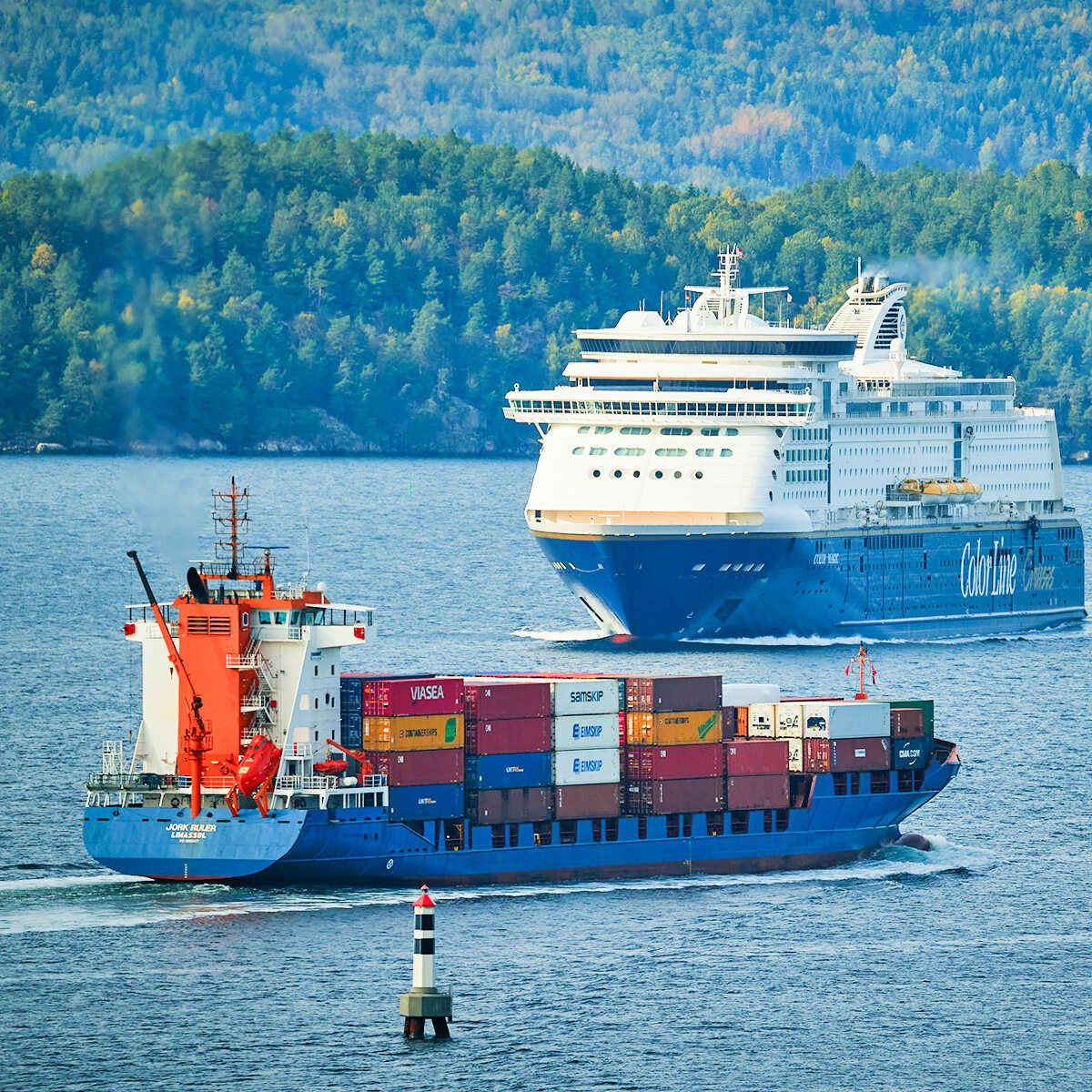
The deeper impact lies in how Houthi attacks underscore the direct influence of geopolitical tensions on global maritime operations. The stability and security of the Red Sea, as a key maritime artery linking continents, directly affect the smooth flow of global trade. However, escalating political conflicts and regional tensions have turned this region into a focal point and challenge for international maritime security.
The international community is actively discussing effective measures to safeguard navigation. On one hand, there is a need for strengthened international cooperation and multilateral mechanisms to enhance coordinated efforts for maritime security globally. On the other hand, individual countries must enhance their own maritime security capabilities, utilizing technological means and military forces effectively to counter potential threats and challenges.
Overall, the tense situation in the Red Sea poses serious challenges not only to shipping costs and cargo safety but also compels the international community to reassess and address the profound implications of geopolitical risks on global trade and maritime security. Only through international cooperation and effective measures can safe and stable navigation be ensured amidst the complex and evolving geopolitical environment, thereby maintaining the normal operation of global trade.





