
The Growing Challenges in Global Logistics
In today's fast-paced world, businesses face significant hurdles in managing logistics effectively. Delays in supply chains, rising costs, and unreliable transportation options can disrupt operations and impact profitability. For instance, coordinating the movement of goods across borders often involves complex customs procedures, unpredictable weather, and fluctuating fuel prices, making efficient logistics a critical pain point for companies of all sizes. Traditional methods struggle to keep up with the demands of e-commerce growth and global trade, leading to inventory shortages or excess storage expenses. Addressing these issues requires innovative solutions that streamline processes and ensure timely delivery without compromising on cost or quality.
Air Freight Logistics: A Swift Solution for Urgent Needs
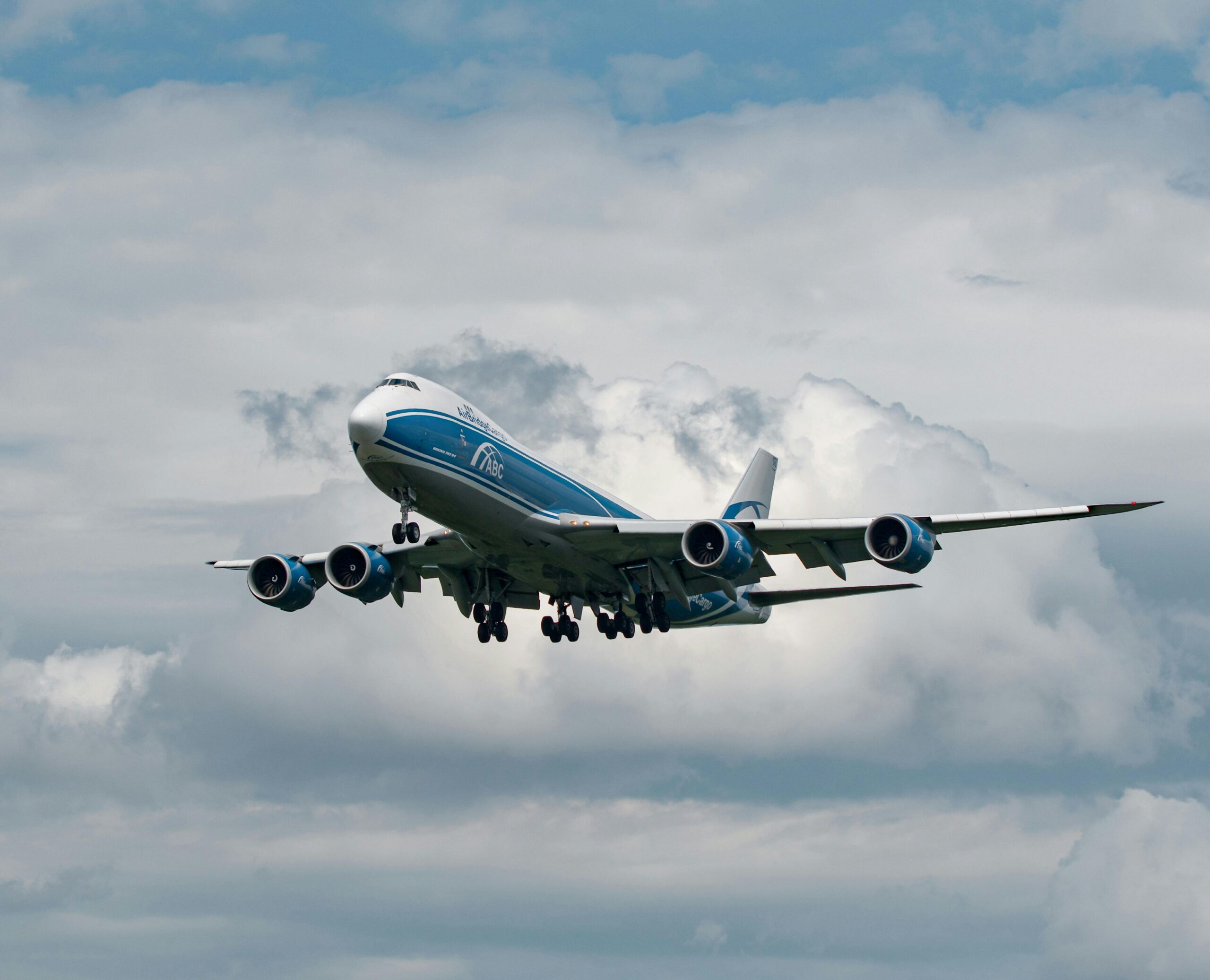
One powerful way to overcome logistics bottlenecks is through air freight logistics, which offers speed and reliability for time-sensitive shipments. Unlike ground or sea transport, air freight logistics reduces transit times dramatically, allowing businesses to respond quickly to market demands. For companies dealing with perishable goods like fresh produce or pharmaceuticals, this method ensures products reach their destination in optimal condition. By leveraging advanced cargo aircraft with four-engine configurations for superior power and endurance, air freight logistics minimizes the risk of delays caused by mechanical issues. These aircraft feature wide-bodied fuselages for handling bulky or heavy payloads, combined with fuel-efficient designs that cut operational costs while maintaining high speeds at altitude. Precision landing gear and state-of-the-art navigation systems further enhance safety and efficiency, making air freight logistics an ideal choice for overcoming the limitations of slower alternatives.
International Logistics: Bridging Borders Seamlessly
When it comes to international logistics, the challenges multiply with diverse regulations, language barriers, and varying infrastructure across countries. However, integrating air-based solutions into international logistics strategies can transform these obstacles into opportunities. Modern cargo aircraft, equipped with climate-controlled holds, protect sensitive items during long-haul flights, ensuring compliance with global standards for temperature-sensitive cargo. The vibrant white and blue livery of these high-tech vessels not only represents a professional image but also signifies reliability in transcontinental operations. By prioritizing sustainability with eco-friendly engines, international logistics providers can appeal to environmentally conscious clients while reducing their carbon footprint. For businesses expanding globally, partnering with experts in air freight logistics ensures smooth customs clearance and real-time tracking, turning complex international logistics into a competitive advantage.
Embracing Cutting-Edge Technology in Logistics
To fully resolve logistics woes, adopting advanced aviation technology is essential. Cargo aircraft designed for the future incorporate innovative aerodynamics for stability and efficiency, supporting heavy loads without sacrificing performance. These vessels go beyond basic transport, offering features like automated systems for loading and unloading, which accelerate turnaround times. In the realm of logistics, this means fewer errors, lower labor costs, and heightened security for high-value goods. As industries evolve, relying on such sophisticated tools in air freight logistics and international logistics not only solves immediate problems but also future-proofs operations against emerging challenges like supply chain disruptions from geopolitical events. Ultimately, investing in these solutions empowers businesses to thrive in a connected world, where efficient logistics drives success and innovation.





