
Optimizing Logistics: Comparing Traditional Operations with Cutting-Edge Software and Solutions
In the fast-paced world of logistics, businesses constantly seek ways to streamline their processes and deliver value to customers. Logistics stands as the backbone of supply chain management, encompassing everything from warehousing to transportation. When comparing traditional logistics operations to modern logistics software and innovative logistics solutions, the differences become stark, highlighting opportunities for efficiency and growth. This article explores these contrasts, drawing on practical insights to help you decide the best path for your operations.
Traditional Logistics Operations: Reliability Meets Rigidity
Traditional logistics operations rely heavily on manual processes, human oversight, and physical infrastructure. Think of coordinating shipments via phone calls, paper-based tracking, and route planning based on experience rather than data. While this approach offers a hands-on feel and builds strong team dynamics, it often struggles with scalability. For instance, in high-volume scenarios, errors like misrouted packages or delayed deliveries can pile up, leading to increased costs and customer dissatisfaction.
One key strength of traditional logistics operations is their adaptability in unpredictable situations, such as navigating local traffic or handling last-minute changes without digital dependencies. However, the labor-intensive nature demands more personnel, which can strain budgets, especially for small businesses. Comparing this to newer methods, traditional setups lack the real-time visibility that prevents bottlenecks, making them less competitive in today's global market.
The Rise of Logistics Software: Automation and Precision
Shifting focus to logistics software, we see a transformative tool that automates routine tasks and provides actionable insights. Unlike the manual tracking in traditional operations, logistics software integrates GPS, inventory management, and predictive analytics into a single platform. This allows for route optimization in real-time, reducing fuel costs by up to 20% and minimizing delivery times. For example, software can alert drivers to traffic jams, something a paper map simply can't do.
In contrast to the rigidity of traditional logistics operations, logistics software offers flexibility through customizable dashboards and integrations with e-commerce platforms. Businesses using such tools report fewer errors and faster order fulfillment, but implementation requires initial investment in training and setup. While traditional methods excel in low-tech environments, software shines in data-driven ones, enabling scalability without proportional increases in staff. The trade-off? A learning curve that might slow adoption for teams accustomed to manual processes.
Logistics Solutions: Integrated Systems for Holistic Efficiency
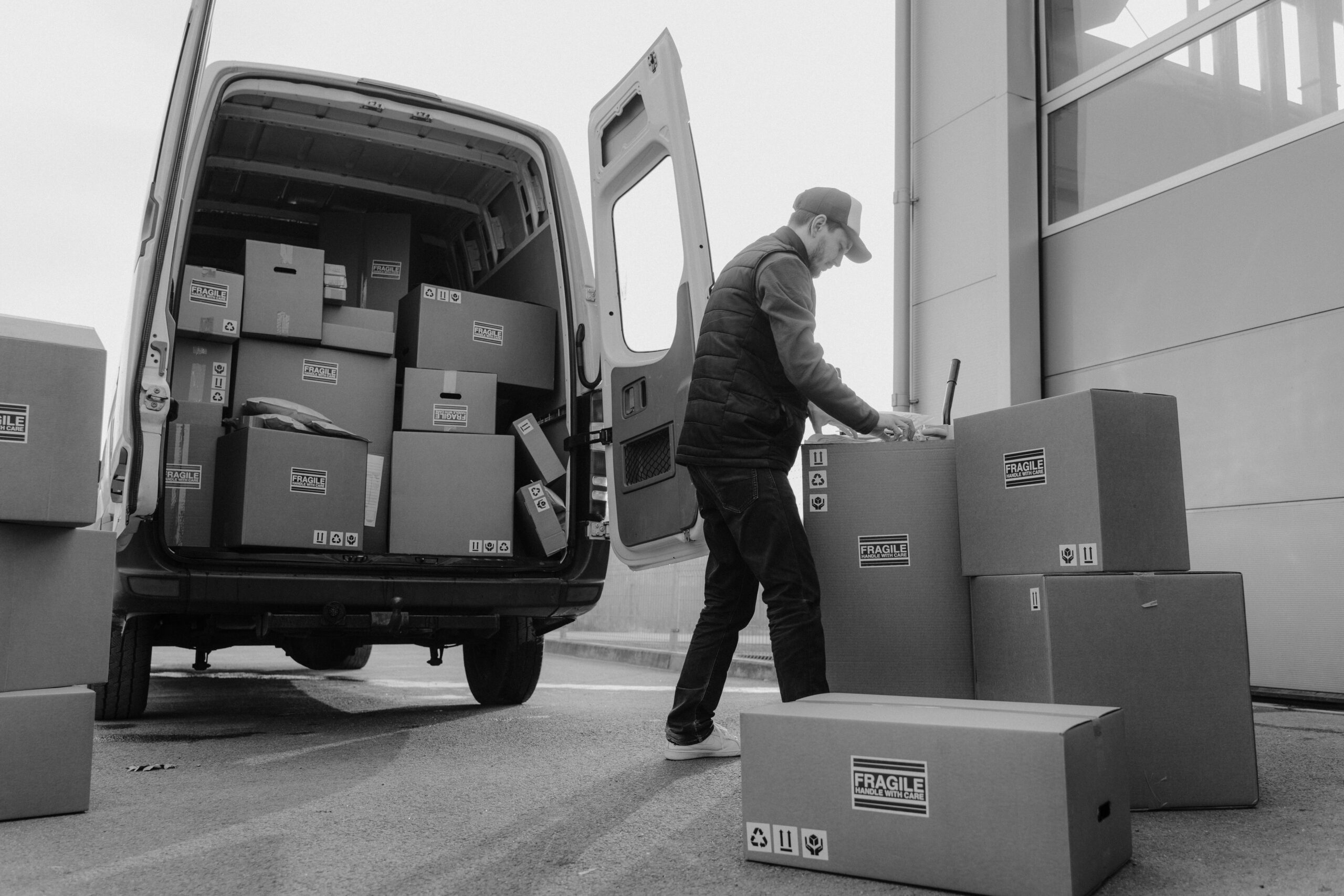
Logistics solutions represent the pinnacle of modern approaches, combining software with hardware like our state-of-the-art delivery van system to create end-to-end efficiency. This versatile vehicle features a spacious cargo area for handling various packages, from small parcels to fragile items, with a wide rear door for easy loading and unloading. In comparison to standalone traditional logistics operations or basic software, these solutions ensure secure transport and minimize damage risks through robust materials and ergonomic design.
Where traditional operations might falter in urban deliveries due to space constraints, our delivery van optimizes every inch, supporting both small businesses and large corporations. Logistics solutions go further by integrating with software for seamless tracking, contrasting the isolated nature of manual methods. The result is reliable, flexible journeys that adapt to business needs, reducing labor costs and enhancing safety. However, while software alone provides digital efficiency, full solutions like this van demand upfront capital, though they yield long-term savings.
Choosing the Right Path: A Balanced Comparison
When weighing traditional logistics operations against logistics software and comprehensive logistics solutions, the choice depends on your business scale and goals. Traditional methods suit bootstrapped startups valuing simplicity, but they pale in efficiency compared to software's automation or solutions' integration. For growing enterprises, adopting software can bridge the gap, while full solutions like our delivery van system revolutionize operations entirely.
Ultimately, the evolution from manual to tech-driven logistics underscores a shift toward precision and adaptability. By evaluating these options, businesses can tailor their strategy—perhaps starting with software to modernize operations before investing in hardware solutions. This comparative lens reveals that while no approach is perfect, blending elements from each can drive unparalleled success in logistics.





