
Optimizing Logistics in Modern Aviation and Global Trade
In the fast-paced world of aviation and global commerce, logistics stands as the cornerstone of efficiency and reliability. Effective logistics ensures that everything from passenger experiences to cargo deliveries runs smoothly, minimizing delays and maximizing productivity. This article explores the intricacies of logistics, highlighting innovative systems and technologies that are transforming the industry.
The Role of Integrated Ground Handling Systems in Airport Logistics
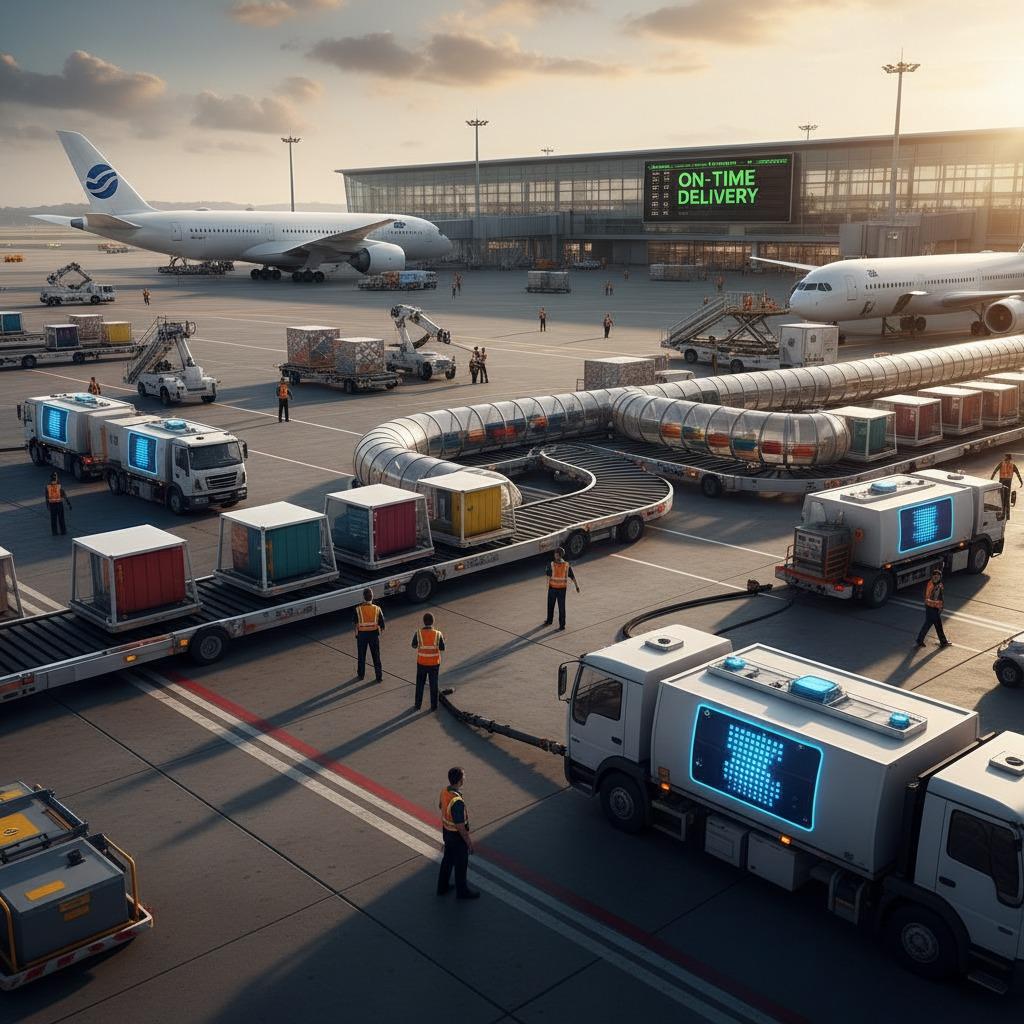
Airport operations demand precision, and an advanced integrated ground handling system exemplifies how logistics can be streamlined for safety and scalability. This multi-faceted platform coordinates essential services such as baggage handling and fuel supply through automation and real-time monitoring. For instance, smart baggage handling systems utilize conveyor belts and automated loaders to transport luggage swiftly and securely, reducing errors and turnaround times for aircraft. Fuel trucks equipped with next-generation sensing technology enable precise dispensing, which not only boosts operational efficiency but also promotes environmental sustainability by minimizing waste. Ramp agents, outfitted in high-visibility vests, guide equipment and personnel, underscoring the system's commitment to safety protocols. Modular vehicles like baggage carts and transportation trucks feature ergonomic designs that enhance worker comfort while optimizing the flow of logistics on the tarmac. By revolutionizing these ground handling functions, such systems ensure flight punctuality, elevate passenger satisfaction, and support scalable operations at busy airports worldwide.
Advancements in Commercial Aircraft Design and Logistics Efficiency
Beyond the ground, logistics extends into the skies with cutting-edge commercial aircraft designed for performance, comfort, and environmental efficiency. These aircraft incorporate aerodynamic fuselages that optimize fuel efficiency and reduce drag, contributing to smoother travels and lower operational costs within the logistics chain. Advanced engine technology reduces emissions, aligning with global sustainability goals while delivering reliable power for long-haul flights. Inside, spacious cabins with enhanced noise insulation provide passengers with a tranquil journey, and larger windows offer stunning views, enhancing the overall travel experience. The integration of advanced avionics systems ensures superior navigation accuracy and real-time monitoring, which is crucial for safe and efficient routing in air logistics. These innovations set new standards for modern air travel, benefiting both passengers and operators by streamlining the end-to-end logistics of flights—from departure gates to arrival destinations. In an industry where timing is everything, such aircraft designs play a pivotal role in maintaining the seamless connectivity that logistics demands.
Heavy-Duty Container Trucks: Powering Global Logistics Networks
On the roads that connect global commerce, heavy-duty container trucks form the backbone of logistics, transporting goods across vast distances with unmatched strength and durability. These vehicles are engineered to handle standard 20-foot and 40-foot containers from leading brands like COSCO and CAPITAL, adhering to international shipping standards for secure and compliant transit. Equipped with high-torque engines, they navigate steep inclines and long highways effortlessly, ensuring smooth transportation of heavy loads. Safety features, including advanced braking systems, superior suspension, and stability controls, protect cargo during transit, mitigating risks in dynamic logistics environments. Fuel efficiency is another hallmark, with optimized consumption that lowers costs and environmental impact, making these trucks ideal for eco-conscious operations. Their streamlined design allows seamless performance on modern multi-lane highways, supporting industries such as e-commerce, manufacturing, and retail in maintaining robust supply chains. The bold branding and vivid aesthetics of these trucks not only enhance visibility for fleet operators but also project professionalism, reinforcing their essential role in the logistics ecosystem.
Future Trends in Logistics Innovation
Looking ahead, the evolution of logistics will likely incorporate even more automation, data analytics, and AI-driven predictive tools to further enhance efficiency. In aviation, real-time data integration across ground handling and flight operations could reduce bottlenecks, while in road transport, connected vehicle technologies might optimize routes and reduce idle times. These trends promise to make logistics more resilient against disruptions, ensuring that global trade continues to thrive. By embracing such advancements, stakeholders in aviation and commerce can achieve greater scalability and sustainability, solidifying logistics as the vital force driving economic progress.





