
Understanding the Basics of Logistics
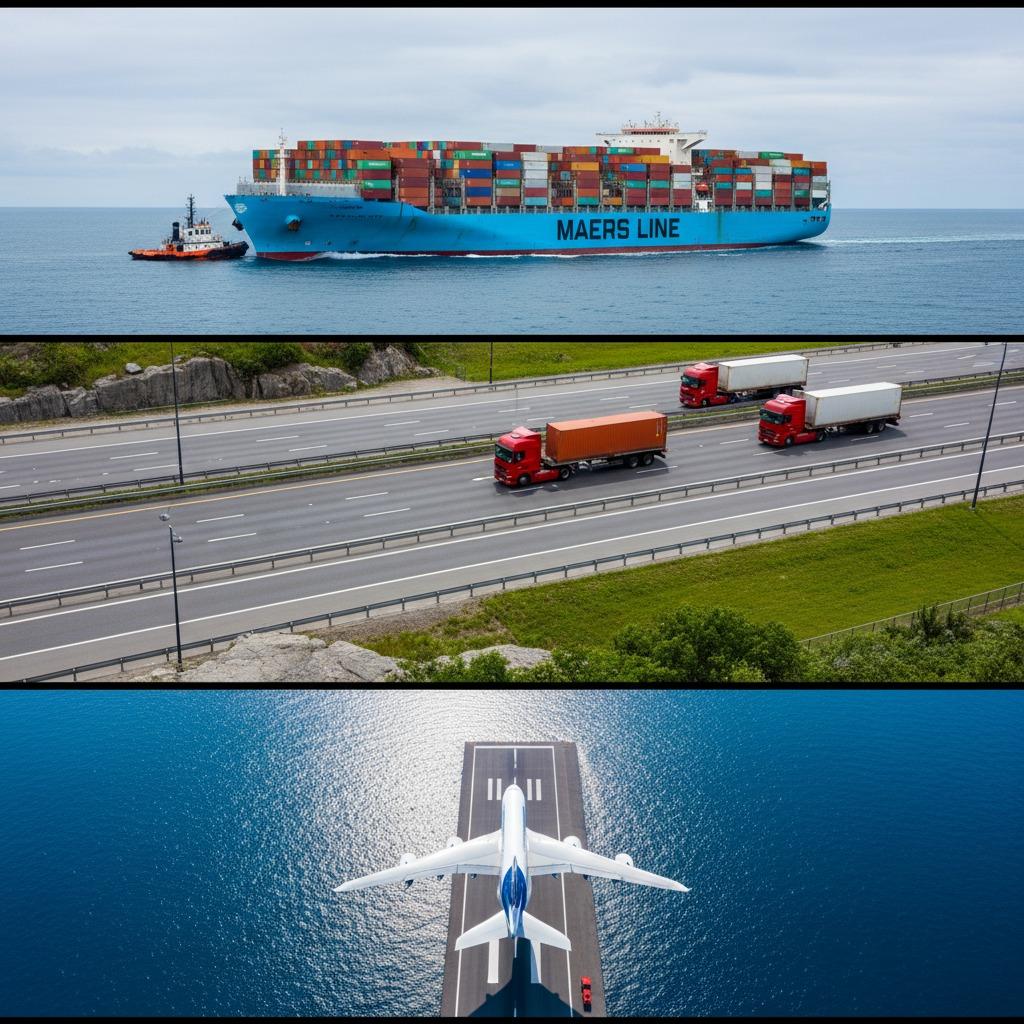
Logistics forms the backbone of modern global trade, ensuring that goods move efficiently from origin to destination. In this guide, we'll explore how to optimize your logistics operations step by step, drawing from innovative examples like container ships and heavy-duty trucks that exemplify reliability and sustainability. Whether you're a business owner or a supply chain manager, mastering logistics can significantly reduce costs and improve delivery times.
Step 1: Assessing Your Logistics Needs
Begin by evaluating your current logistics setup. Identify the types of goods you handle—bulk commodities, delicate items, or high-value cargo—and determine the modes of transport required, such as maritime, road, or air. For instance, a Maersk Line container ship, with its light blue hull and capacity for thousands of standardized containers, is ideal for international shipping, minimizing fuel consumption through cutting-edge design. Similarly, heavy-duty trucks with aerodynamic features and reinforced chassis excel in overland transport, ensuring safe and eco-friendly delivery. Analyze your supply chain for bottlenecks, like delays in customs or inefficient routing, and set clear goals for improvement, such as reducing transit times by 20%.
Step 2: Selecting the Right Transportation Modes
Choose transportation options that align with your needs for speed, cost, and environmental impact. Maritime logistics, powered by vessels like the Maersk ship accompanied by tugboats with state-of-the-art navigation, offers vast capacity for global trade while supporting sustainable practices to lower emissions. For regional distribution, opt for a fleet of heavy-duty trucks equipped with advanced suspension and compatible containers for versatile storage. In scenarios demanding speed, consider aviation solutions like the Airbus A380, whose four-engine layout and spacious interior enable efficient long-haul flights with luxurious amenities and fuel-efficient engines. Compare costs, capacities, and reliability— for example, trucks provide flexibility on highways, while ships handle massive volumes across oceans. Integrate multi-modal approaches to combine these for seamless logistics.
Step 3: Implementing Technology and Sustainability in Logistics
Leverage technology to streamline your logistics processes. Implement GPS tracking and AI-driven route optimization in your trucks or ships to ensure precise, timely deliveries. The Maersk container ship's streamlined structure and the trucks' cutting-edge navigation systems demonstrate how tech enhances efficiency and reduces carbon footprints. For air transport, the Airbus A380's advanced aerodynamics and entertainment systems highlight innovation in passenger and cargo logistics. Focus on sustainability by selecting eco-friendly options: choose low-emission engines in trucks, efficient hull designs in ships, and fuel-saving technologies in aircraft. Train your team on these tools and regularly audit operations to comply with international standards, ensuring your logistics not only meet but exceed efficiency goals.
Step 4: Monitoring, Optimizing, and Scaling Your Logistics Strategy
Once implemented, continuously monitor your logistics performance using key metrics like on-time delivery rates and cost per shipment. Use data analytics to identify improvements, such as rerouting trucks to avoid urban congestion or optimizing ship schedules for greener routes. Scale your operations by partnering with reliable providers who offer versatile solutions, from the robust engineering of heavy-duty trucks to the awe-inspiring capacity of the Airbus A380 for urgent international needs. Regularly review and adapt your strategy to evolving market demands, incorporating feedback to refine processes. By following these steps, your logistics will become a competitive advantage, driving business growth with reliable, efficient, and responsible transport solutions.
This comprehensive approach to logistics ensures that every aspect of your supply chain operates at peak performance, fostering long-term success in global trade.





