What is Logistics and Why Does It Matter?
Logistics forms the backbone of global trade, encompassing the planning, execution, and control of the movement and storage of goods from origin to consumption. In today's fast-paced world, effective logistics ensures that products reach their destinations efficiently, minimizing delays and costs. Whether you're shipping containers across oceans or managing inventory in a warehouse, understanding logistics is crucial for businesses aiming to thrive in competitive markets. This FAQ dives into frequently asked questions about logistics to help you navigate its complexities and optimize your operations.
How Has Technology Transformed Logistics?
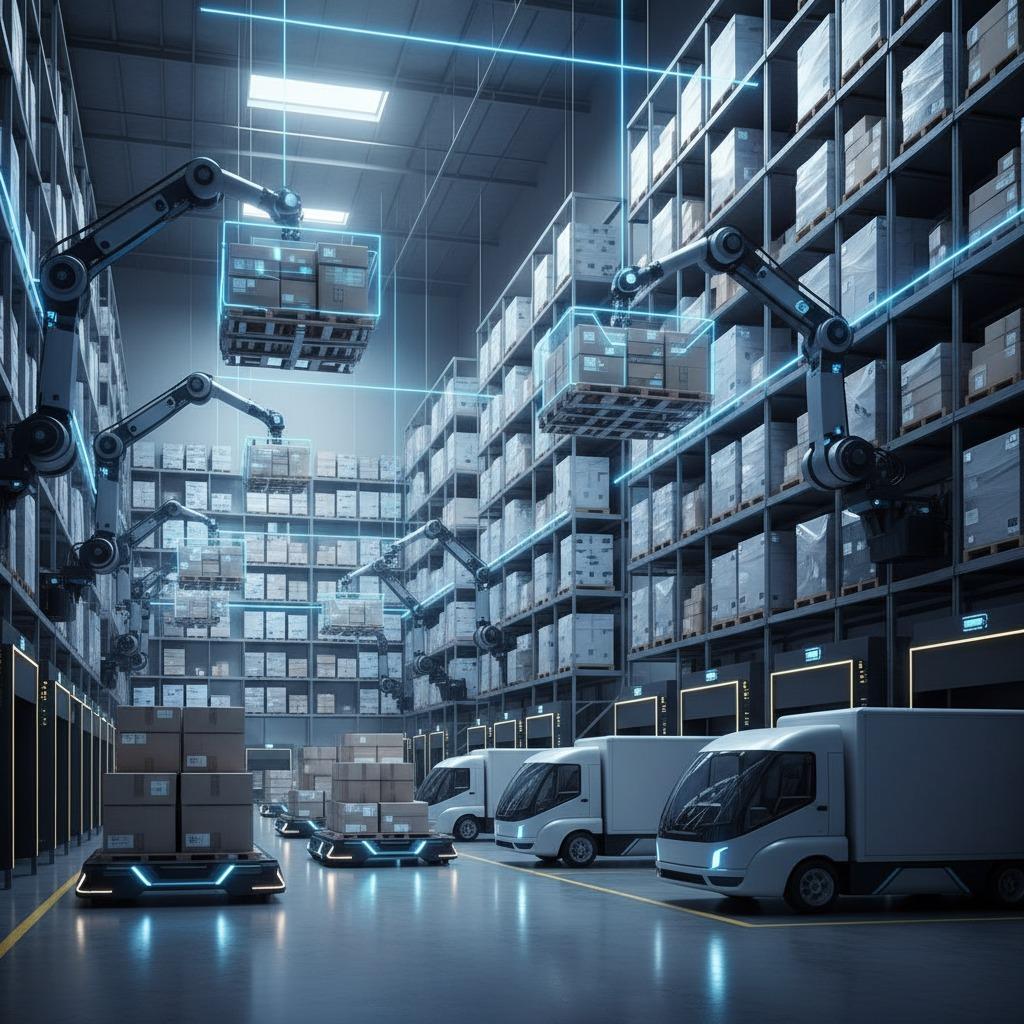
Technology has revolutionized logistics, introducing automation and smart systems that enhance accuracy and speed. For instance, state-of-the-art solutions like intelligent robotic arms and autonomous vehicles streamline warehouse operations, reducing human error and handling times. Oversized screens provide real-time data on inventory, while AI-driven software optimizes storage and retrieval. In port environments, advanced cranes such as the ZPMC 80T, with its 80-ton lifting capacity and precision controls, exemplify how tech boosts efficiency in cargo handling. These innovations not only accelerate processes but also scale operations for growing businesses, making logistics more reliable and cost-effective.
What Role Do Port Cranes Play in Logistics?
Port cranes are essential assets in logistics, particularly for handling heavy cargo at shipping terminals. The ZPMC 80T Port Crane, with its robust design and striking red exterior symbolizing strength, lifts up to 80 tons effortlessly, optimizing loading and unloading. Equipped with automation for precision and safety, it reduces turnaround times for vessels and enhances global trade flows. Businesses relying on seaports frequently ask about crane maintenance and integration—regular inspections and compatible control systems ensure seamless performance. By investing in such equipment, companies can achieve higher productivity and smoother logistics chains, directly impacting supply chain reliability.
How Can Smart Warehouses Improve Logistics Efficiency?
Smart warehouses represent the future of logistics, integrating robotics, sensors, and data analytics to manage inventory autonomously. These systems feature digitally connected shelves and real-time tracking, allowing for optimized storage and quick retrieval of goods. Autonomous vehicles transport items efficiently, minimizing manual labor and errors. A common question is how to implement such solutions—start with assessing current needs, then integrate AI software for harmonious operations. This approach not only speeds up delivery but also reduces costs, making logistics more scalable for e-commerce and manufacturing sectors. With these advancements, businesses can handle fluctuating demands without compromising on accuracy.
What Are the Challenges in Modern Logistics and How to Overcome Them?
Modern logistics faces challenges like supply chain disruptions, regulatory compliance, and rising costs. Global events can delay shipments, while varying international standards complicate cross-border movements. To overcome these, companies often turn to diversified routes and robust planning tools. Another frequent query involves sustainability—adopting electric cranes and energy-efficient warehouses helps reduce environmental impact. Training staff on new technologies, such as those in the ZPMC 80T or smart systems, is key to adaptation. By addressing these issues proactively, logistics managers can ensure resilient operations that support business growth and customer satisfaction.
How Does Professional Attire Fit into Logistics Management?
While logistics is often seen as operational, professional presentation plays a subtle role in management and negotiations. Collections like the Executive Series Shirt, made from breathable cotton with tailored fits, ensure comfort during long site visits or meetings. Reinforced collars maintain a sharp look, boosting confidence in client interactions. Logistics professionals frequently ask about wardrobe choices for fieldwork—opt for durable, versatile attire that withstands warehouse environments yet looks polished. Integrating such elements enhances team morale and professionalism, indirectly supporting efficient logistics by fostering a motivated workforce.






