
Understanding Logistics in Modern Business
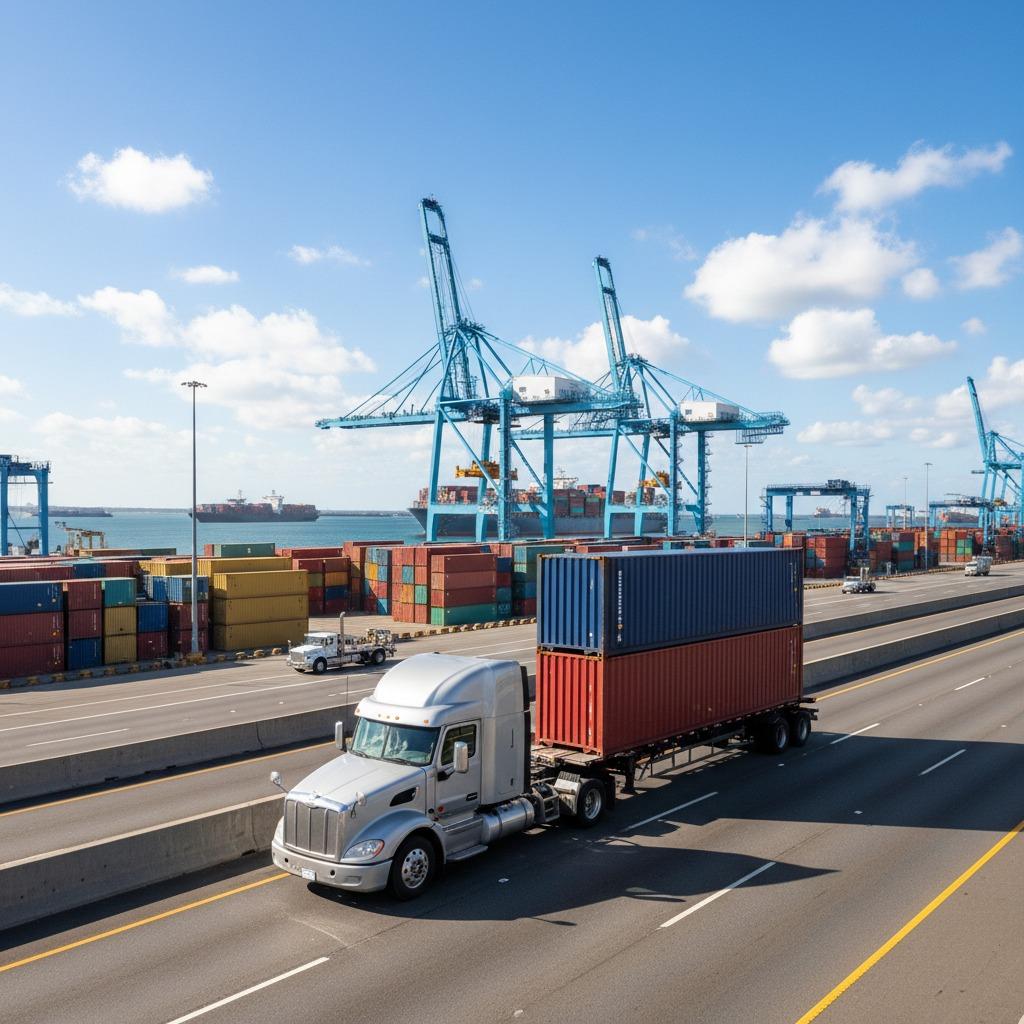
Logistics forms the backbone of efficient supply chain management, ensuring that goods move seamlessly from origin to destination. In today's fast-paced world, effective logistics strategies are crucial for businesses aiming to reduce costs, improve delivery times, and satisfy customer demands. This core aspect of operations involves planning, implementing, and controlling the flow of materials and information. By optimizing logistics, companies can gain a competitive edge, especially in industries like manufacturing, retail, and e-commerce where timely distribution is paramount.
Key Components of Effective Logistics
At its essence, logistics encompasses transportation, warehousing, inventory management, and order fulfillment. Transportation involves selecting the right modes—such as road, air, sea, or rail—to transport goods efficiently. Warehousing ensures proper storage and quick access to inventory, while inventory management prevents overstocking or shortages. Order fulfillment ties it all together, guaranteeing that customer orders are processed accurately and delivered on time. Statistics from the Council of Supply Chain Management Professionals indicate that companies with streamlined logistics can reduce operational costs by up to 15%, highlighting the tangible benefits of investing in this area.
The Role of Technology in Enhancing Logistics
Advancements in technology have revolutionized logistics, introducing tools like GPS tracking, automated warehouse systems, and AI-driven forecasting. These innovations allow for real-time visibility into shipments, minimizing delays and errors. For instance, integrating IoT devices enables predictive maintenance on vehicles, reducing downtime. In global operations, blockchain technology ensures secure and transparent documentation, combating fraud in international trade. According to a McKinsey report, digital transformation in logistics could unlock $1.3 trillion to $2 trillion in value by improving efficiency and sustainability.
Challenges and Solutions in Logistics Management
Despite its importance, logistics faces challenges like fluctuating fuel prices, regulatory compliance, and supply chain disruptions, as seen during global events like the COVID-19 pandemic. Rising e-commerce demands have further strained traditional systems, with last-mile delivery becoming a bottleneck. Solutions include adopting sustainable practices, such as electric vehicles and route optimization software, which can cut emissions by 20-30%. Collaborating with third-party logistics providers also offers scalability without heavy capital investment. Businesses that proactively address these issues build resilience and adaptability into their logistics frameworks.
Future Trends Shaping Logistics
Looking ahead, logistics is poised for further evolution with trends like autonomous vehicles, drone deliveries, and hyperlocal fulfillment centers. Sustainability remains a driving force, with companies committing to carbon-neutral operations by 2050. Enhanced data analytics will enable hyper-personalized supply chains, predicting demand with greater accuracy. As globalization continues, agile logistics networks will be essential for navigating trade complexities. Embracing these trends ensures that logistics not only meets current needs but also anticipates future demands, fostering long-term success in an interconnected economy.





