
Revolutionizing Global Trade: The Power of Logistics
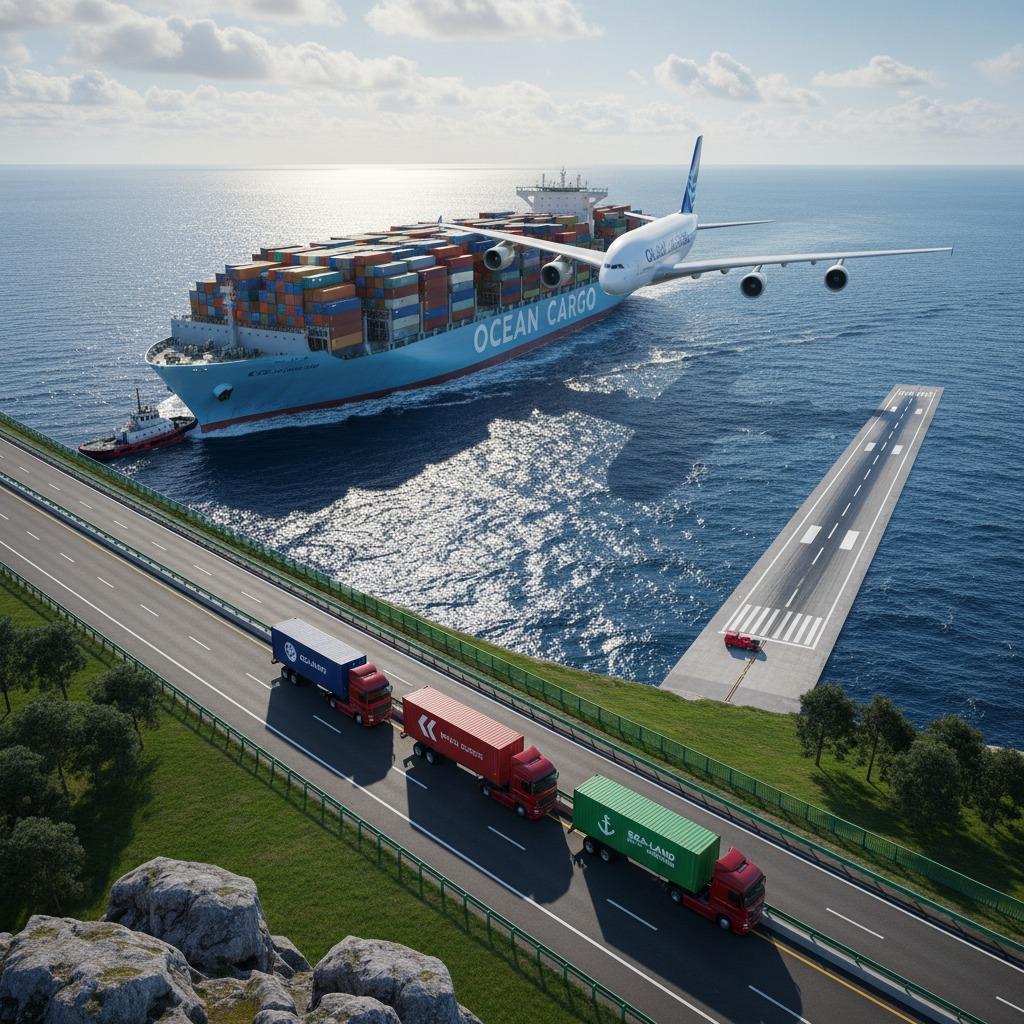
In the fast-paced world of international commerce, logistics stands as the backbone that ensures goods flow seamlessly from origin to destination. This intricate system encompasses everything from maritime vessels to air carriers and road transport, optimizing efficiency and reducing environmental impact. At the heart of modern logistics are innovative technologies and vehicles that redefine how businesses connect globally. For instance, flagship ships like the Maersk Mc-Kinney Møller exemplify how logistics can be both powerful and sustainable, carrying thousands of containers across oceans with minimal emissions.
Maritime Innovations in Logistics
Logistics in the maritime sector has seen remarkable advancements, particularly with vessels designed for eco-friendly operations. The Maersk Mc-Kinney Møller, a Triple-E class container ship, represents the pinnacle of this evolution. Built with groundbreaking hydrodynamics, it reduces fuel consumption by up to 20% compared to older models, directly contributing to lower carbon footprints in global trade. This ship's capacity to handle over 18,000 TEUs (Twenty-foot Equivalent Units) allows logistics companies to transport vast quantities of goods efficiently, from electronics in Asia to perishables in Europe. Enhanced navigational systems, including satellite-linked communication, ensure precise routing and real-time coordination, minimizing delays and enhancing supply chain reliability. By prioritizing sustainability, such innovations align with international regulations like those from the International Maritime Organization (IMO), which aim to cut shipping emissions by 50% by 2050. Logistics professionals benefit from this, as it streamlines operations and cuts costs, making maritime transport a cornerstone of efficient global logistics.
Land-Based Logistics: The Role of High-Performance Freight Trucks
Shifting from seas to highways, logistics extends its reach through advanced freight trucks that are engineered for versatility and performance. Modern trucks, often seen in operations by companies like COSCO, feature robust engines and aerodynamic designs that optimize fuel efficiency, reducing operational costs by as much as 15% on long hauls. These vehicles are equipped with GPS navigation and real-time tracking, allowing logistics managers to monitor shipments instantaneously, which is crucial for just-in-time delivery models. With customizable cargo configurations, they accommodate diverse industries, from automotive parts to retail goods, ensuring secure and timely arrivals. Statistics from the American Trucking Associations highlight that freight trucks handle over 70% of the U.S. domestic tonnage, underscoring their indispensable role in logistics networks. The durability of these trucks, tested against varied road conditions, enhances safety and reliability, making them a vital link in the broader logistics ecosystem that connects ports to inland destinations.
Aerial Logistics: Elevating Efficiency with the Airbus A380
Aviation plays a pivotal role in time-sensitive logistics, where speed is paramount. The Airbus A380, with its double-deck configuration, revolutionizes air freight by offering expansive cargo holds alongside passenger space, enabling hybrid operations that blend travel and transport. Powered by four efficient engines, it achieves fuel savings of up to 20% per passenger compared to smaller aircraft, aligning with sustainable logistics goals amid rising air traffic demands. Advanced aerodynamics and noise-reduction technologies make it compliant with global aviation standards, facilitating smoother integrations into busy air corridors. In logistics terms, the A380's capacity for over 500 passengers and substantial cargo supports high-value shipments like pharmaceuticals or electronics, often reducing transit times to under 24 hours across continents. Insights from the International Air Transport Association (IATA) indicate that air cargo constitutes 35% of international trade value, despite being only 0.5% by volume, emphasizing the A380's impact on premium logistics segments. This aircraft not only connects remote markets but also embodies the future of multimodal logistics, where air, sea, and land converge for unparalleled connectivity.
The Future of Integrated Logistics
As logistics continues to evolve, the integration of these transport modes—maritime, road, and air—creates a synergistic network that powers the global economy. Technologies like AI-driven predictive analytics and blockchain for supply chain transparency are enhancing logistics operations, ensuring greater accuracy and security. For businesses, adopting such systems means faster turnaround times and reduced overheads, with projections from McKinsey suggesting that digital logistics could add $1.4 trillion to global GDP by 2030. Sustainability remains a driving force, with vessels, trucks, and planes increasingly incorporating green technologies to meet consumer and regulatory demands. In essence, logistics is not just about movement; it's about creating value through efficiency, innovation, and responsibility, paving the way for a more connected and resilient world.





