
Understanding the Essentials of Logistics in Modern Business
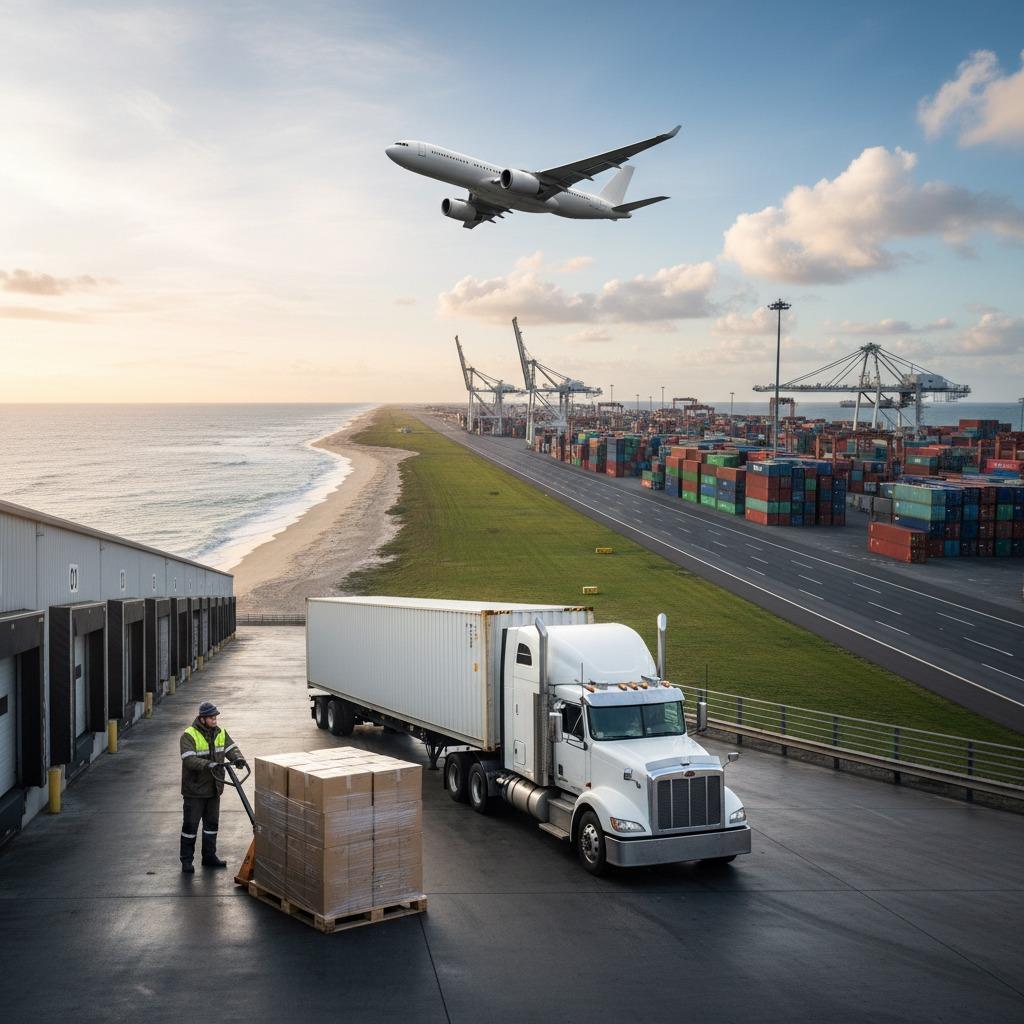
Logistics forms the backbone of efficient supply chains, ensuring that goods move seamlessly from production to consumption. In today's fast-paced global economy, mastering logistics is crucial for businesses aiming to stay competitive. This article explores the key aspects of logistics, highlighting innovative tools and strategies that enhance operational efficiency. Whether you're managing a warehouse or coordinating international shipments, effective logistics can significantly reduce costs and improve customer satisfaction.
The Role of Manual Pallet Jacks in Warehouse Logistics
In warehouse operations, manual pallet jacks are indispensable tools that revolutionize how heavy loads are handled. These devices, with their durable construction and ergonomic design, allow workers to transport pallets effortlessly across various surfaces. Featuring smooth-rolling wheels and intuitive steering, a state-of-the-art manual pallet jack ensures precision when loading goods into trucks or maneuvering through tight aisles. This innovation not only boosts productivity but also minimizes the risk of injury, making it ideal for high-demand environments. By integrating such equipment, companies can streamline their logistics processes, handling everything from bulk shipments to specialized freight with ease. Statistics show that warehouses using advanced pallet jacks report up to 30% faster material handling times, underscoring their value in optimizing workflow.
Air Freight and the Global Wings Aircraft: Elevating Logistics
Air logistics plays a pivotal role in global connectivity, and aircraft like the Global Wings exemplify cutting-edge advancements in this field. Soaring over coastal landscapes, this aircraft combines aerodynamic design with high-performance technology for optimal fuel efficiency and speed. Its spacious cabins equipped with advanced amenities ensure passenger comfort, but for logistics purposes, the focus is on cargo capabilities that support rapid international deliveries. The sleek fuselage and sophisticated engineering allow for seamless integration into supply chains, transporting time-sensitive goods across oceans and continents. In an era where speed is paramount, air freight via such vessels reduces delivery times dramatically—often by days compared to sea routes—enabling businesses to meet urgent demands. Insights from industry reports indicate that air logistics accounts for 35% of high-value goods transport, highlighting the strategic importance of reliable aircraft in modern logistics networks.
Container Trucks: Powering Ground-Based Logistics Efficiency
For ground transportation, high-performance container trucks are the workhorses of logistics, designed to handle the rigors of diverse terrains and heavy payloads. These vehicles feature robust chassis, reinforced suspensions, and aerodynamic builds that enhance fuel efficiency while delivering impressive horsepower. Equipped with advanced safety technologies, they provide unparalleled control, whether navigating urban streets or long-haul highways. The spacious container units maximize cargo capacity, ensuring secure and quick transport of goods to ports or distribution centers. In global shipping, these trucks integrate flawlessly with port facilities, supporting the end-to-end logistics chain. Data from logistics studies reveal that efficient truck fleets can cut transportation costs by 20%, emphasizing their role in maintaining peak productivity. By choosing reliable container trucks, organizations can overcome logistical challenges and achieve smoother operations across their supply networks.
Integrating Tools for Comprehensive Logistics Solutions
Effective logistics requires a synergistic approach, combining manual pallet jacks for intra-warehouse movement, aircraft for swift air transport, and container trucks for robust ground logistics. This integration creates a cohesive system that addresses the multifaceted demands of modern supply chains. Businesses that adopt these tools experience enhanced reliability, reduced downtime, and improved overall efficiency. For instance, coordinating air and ground logistics can shorten cycle times, allowing for just-in-time inventory management. As global trade expands, investing in such innovative solutions becomes essential. Industry experts predict that by 2025, logistics technologies will drive a 15% increase in supply chain resilience, proving that forward-thinking strategies are key to success. Ultimately, prioritizing logistics not only streamlines operations but also positions companies to thrive in a competitive marketplace.





