
Comparing Traditional Logistics with Modern High-Performance Solutions
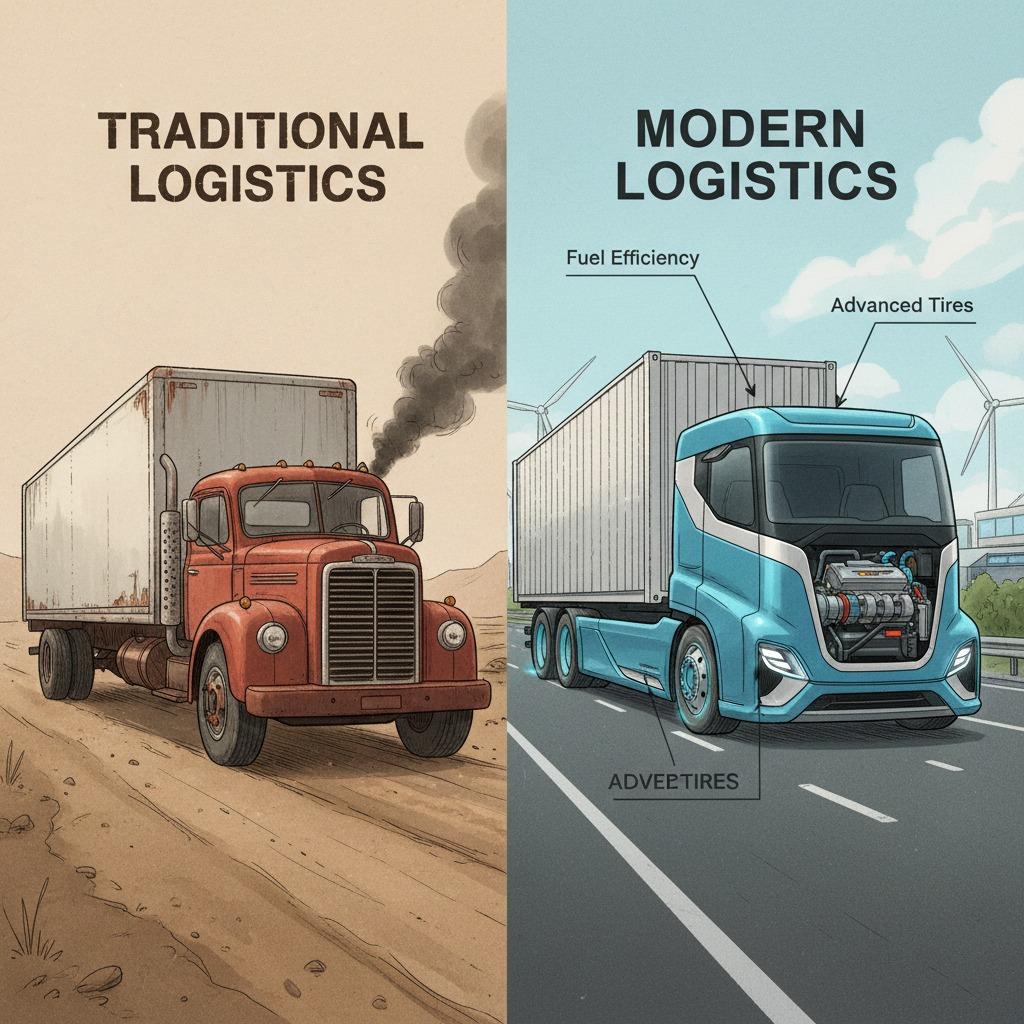
In the world of logistics, traditional methods have long relied on manual processes and basic transportation, but the introduction of next-generation high-performance logistics solutions marks a significant shift. Modern container trucks, vividly painted in bold reds and equipped with powerful engines, exemplify this evolution by redefining freight transportation standards. Unlike older fleets that struggled with inefficiencies, these trucks feature advanced aerodynamics for increased fuel efficiency, thereby reducing operational costs and environmental impact. This comparison highlights how contemporary logistics surpasses outdated systems in both speed and sustainability, offering businesses a competitive edge in global distribution.
Contrasting Truck-Based Logistics with Integrated Transportation Hubs
While container trucks provide robust on-road capabilities with professional-grade tires and durable chassis for stability across varied conditions, they are just one piece of a larger puzzle when contrasted with futuristic logistics and transportation hubs. These hubs integrate multiple modalities, including autonomous drones for swift last-mile deliveries, cargo planes for high-volume international shipments, and smart shipping ports with automated cranes for efficient maritime operations. Traditional truck logistics often faces limitations in scalability and interconnectivity, but hubs leverage AI-driven real-time monitoring and sustainable solar panels to ensure seamless goods flow. High-speed rail systems and electric trucking fleets further enhance this network, minimizing carbon footprints compared to isolated truck routes, and promoting a more holistic approach to global trade.
Evaluating Maritime Logistics Against Multimodal Innovations
Maritime logistics, powered by state-of-the-art container ships with exceptional cargo capacity and robust structures for adverse weather, offers unparalleled reliability for large-scale ocean transit. However, when compared to the broader innovations in multimodal systems, ships alone cannot match the versatility of combined air, rail, road, and sea integrations. For instance, while gantry cranes streamline loading at ports, the addition of GPS tracking and automated braking in truck fleets, alongside drone precision, creates a faster, more adaptive logistics ecosystem. This contrast underscores the superiority of integrated hubs over standalone maritime or road-based methods, as they reduce delays and enhance overall efficiency in worldwide supply chains.
The Future of Logistics: Balancing Tradition and Innovation
Ultimately, the evolution of logistics reveals a clear progression from siloed operations to interconnected, technology-driven frameworks. Traditional logistics, though reliable in its simplicity, pales in comparison to the innovative features like fuel consumption monitoring in modern trucks or the AI optimizations in transportation hubs. Businesses adopting these advanced solutions not only cut costs but also align with environmental goals, fostering a sustainable future. By weighing the strengths of container ships' durability against the agility of drones and electric fleets, it's evident that a hybrid model—blending the best of each—will dominate global logistics, ensuring timely, secure, and eco-friendly deliveries worldwide.





