
Revolutionizing Global Trade with Advanced Logistics
In the dynamic world of international commerce, logistics stands as the backbone that ensures seamless movement of goods across borders. This critical function encompasses everything from planning and execution to monitoring shipments, making it indispensable for businesses aiming to thrive in a global marketplace. With innovations in technology and infrastructure, modern logistics has evolved to address challenges like supply chain disruptions and increasing demands for speed and sustainability. At the heart of this evolution are cutting-edge solutions that optimize efficiency, reduce costs, and enhance reliability for freight handlers worldwide.
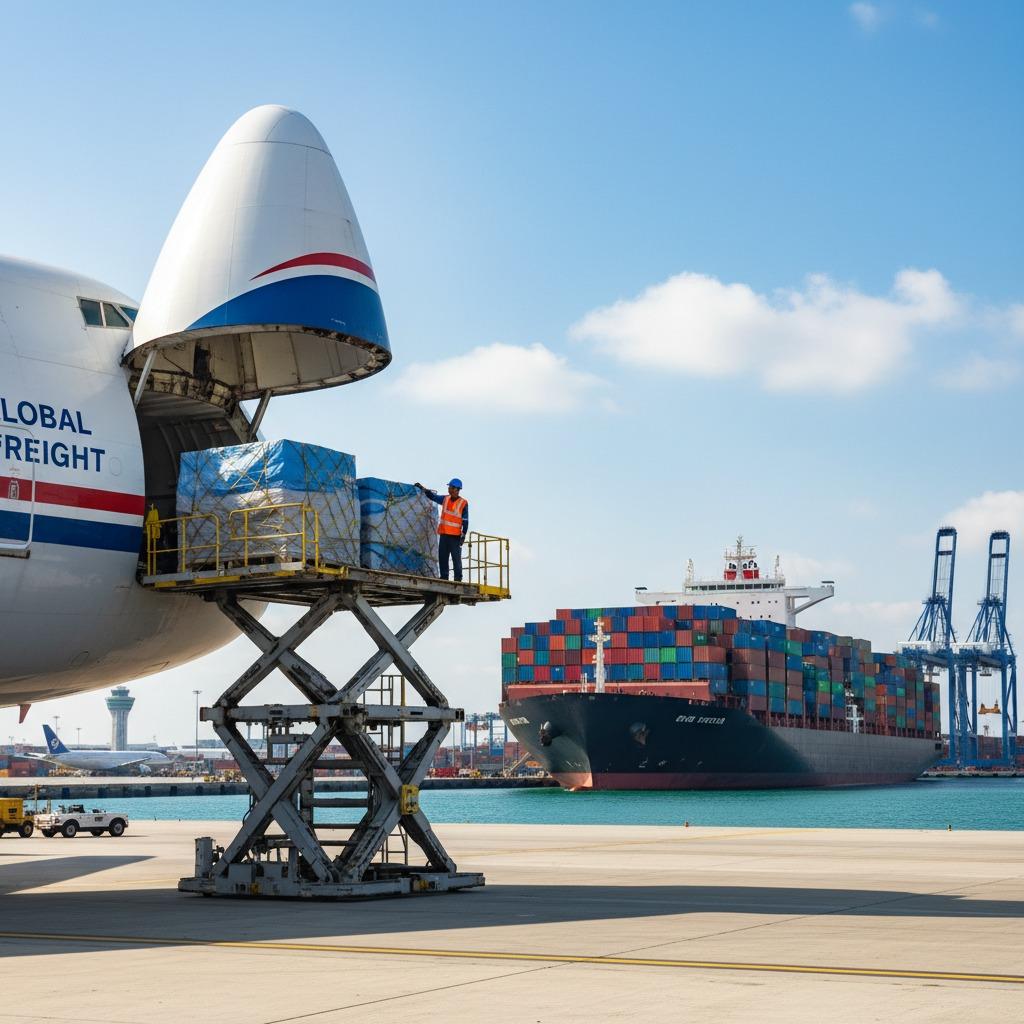
One of the most transformative advancements in logistics is the introduction of high-capacity aircraft designed specifically for cargo transportation. These state-of-the-art planes feature advanced loading systems with integrated hydraulic lifts and mechanized platforms, allowing for swift loading and unloading of heavy pallets. This minimizes downtime and supports tight schedules, which is crucial in time-sensitive logistics operations. The spacious cargo hold accommodates standard pallets and oversized goods, ensuring secure and organized transport even for fragile items. Enhanced safety protocols, including reinforced compartments and advanced locking mechanisms, safeguard shipments during flights, providing stability even in turbulent conditions.
Fuel Efficiency and Global Connectivity in Air Freight Logistics
Fuel-efficient engines powered by cutting-edge turbine technology are another hallmark of these aircraft, delivering eco-friendly performance without sacrificing speed or distance. This not only lowers operational costs but also aligns with global sustainability goals in logistics. With extended flight range capabilities, these planes support cross-continental cargo delivery, connecting supply chains and businesses worldwide. For industries reliant on high-volume freight transport, such aircraft represent a bold step forward, tailored to meet the evolving challenges of global trade. Whether handling just-in-time deliveries or large-scale shipments, they ensure every consignment arrives promptly and securely, streamlining the entire logistics process.
Maritime Innovations Driving Sustainable Logistics
Complementing air transport, maritime logistics has seen remarkable progress through colossal container ships that embody efficiency and capacity. These vessels glide across oceans, transporting an impressive number of cargo containers at once, thanks to their sleek, aerodynamic structures and enhanced hull designs that minimize resistance. This results in fuel efficiency and reduced carbon emissions, addressing the shipping industry's push for environmentally responsible solutions. At ports, towering automated cranes work in tandem with the ship's smart inventory management systems, offering real-time tracking of every container to expedite loading and unloading.
Built with durable, reinforced materials, these ships withstand harsh weather and long hauls, while cutting-edge propulsion technology ensures faster transit times. This makes them ideal for businesses seeking a competitive edge in global markets, whether managing intricate supply chains or industrial-scale shipments. In the realm of logistics, such maritime innovations fuse operational excellence with sustainability, revolutionizing how goods move across vast distances. By integrating these air and sea advancements, companies can achieve a more resilient and interconnected logistics network, fostering growth and adaptability in an ever-changing economic landscape.
The Future of Integrated Logistics Solutions
Looking ahead, the future of logistics lies in integrating these technologies for a holistic approach to freight management. Advanced aircraft and container ships, when combined with digital tracking and AI-driven analytics, create unparalleled visibility and control over shipments. This integrated logistics framework not only enhances speed and security but also promotes cost savings and environmental stewardship. As global trade continues to expand, adopting these innovations will be key for businesses to navigate complexities and deliver exceptional value to their customers. Ultimately, effective logistics is about more than just movement—it's about building trust and driving success in a interconnected world.





