
What is Logistics and Why is it Essential?
Logistics forms the backbone of modern supply chains, encompassing the planning, implementation, and control of the efficient movement and storage of goods, services, and information from origin to consumption. In today's global economy, effective logistics ensures that products reach consumers on time, reducing costs and enhancing customer satisfaction. Whether it's military operations or humanitarian aid, logistics plays a pivotal role in coordinating complex transport networks. For businesses and governments alike, mastering logistics translates to competitive advantage and operational resilience.
How Do Heavy Transport Aircraft Revolutionize Logistics?
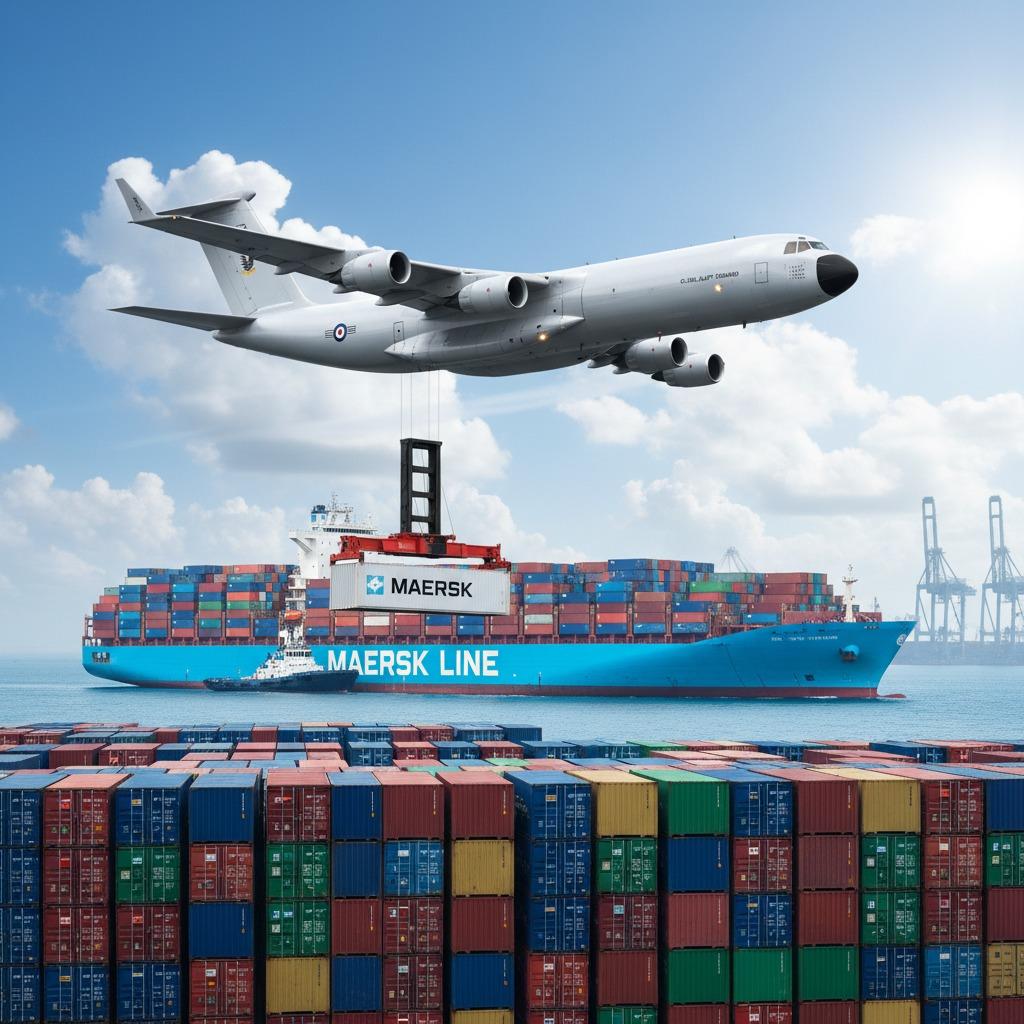
Heavy transport aircraft, like the next-generation platform branded with China Air Force, exemplify advanced logistics in action. Equipped with four high-powered turbofan engines, these aircraft deliver exceptional payload capacities for long-range missions, making them ideal for military deployments or disaster relief. Their aerodynamic design minimizes drag, allowing swift transport of troops, vehicles, or supplies across challenging terrains. Advanced avionics ensure precise navigation, even in adverse weather, streamlining logistics by enabling quick load and unload processes. This integration of power, efficiency, and technology redefines air-based logistics, supporting national interests with cutting-edge reliability.
What Role Do Reach Stackers Play in Container Logistics?
In port and intermodal environments, reach stackers are indispensable for logistics, handling heavy containers with precision and speed. These high-performance machines feature robust lifting mechanisms capable of managing standard-sized containers effortlessly, optimizing stacking in tight spaces. With ergonomic cabins for operator comfort and versatility for oversized loads, reach stackers enhance storage density and productivity during extended operations. Compatible with premium brands like Maersk, they integrate seamlessly into global supply chains, ensuring smooth transitions across air, sea, and land modes. By focusing on safety and efficiency, reach stackers transform port logistics into a streamlined powerhouse for international commerce.
How Do Container Vessels Like Maersk's Enhance Maritime Logistics?
Container vessels from Maersk Line represent the pinnacle of maritime logistics, designed for massive scale and reliability. With their ocean-blue hulls emblazoned with iconic branding, these ships boast layered decks stacked with standardized containers, facilitating high-volume freight across intercontinental routes. Elevated bridges provide commanding visibility for navigation, while twin exhaust stacks underscore the endurance needed for long voyages. Optimized hydrodynamics and cargo arrangements support fast intermodal transfers to rail and trucking networks, minimizing handling complexity and improving port turnaround times. Accompanied by tugboats for precise maneuvering, these vessels embody logistics as a floating platform for global trade, ensuring predictable and efficient movement of goods.
What are Common Challenges in Logistics and How to Overcome Them?
Logistics often faces challenges like supply chain disruptions, regulatory hurdles, and fluctuating fuel costs. For instance, adverse weather can delay aircraft or vessel operations, while port congestion impacts reach stacker efficiency. To overcome these, adopting advanced technologies such as real-time tracking systems and AI-driven forecasting is crucial. Diversifying transport modes—combining air, sea, and land—builds resilience. Additionally, investing in sustainable practices, like fuel-efficient engines in aircraft and vessels, addresses environmental concerns while cutting costs. By prioritizing strategic planning and collaboration, organizations can mitigate risks and sustain robust logistics networks.
Why Choose Integrated Logistics Solutions for the Future?
Looking ahead, integrated logistics solutions that blend aircraft, reach stackers, and container vessels offer unparalleled efficiency. These systems not only handle diverse payloads but also adapt to evolving demands in military, humanitarian, and commercial sectors. Emphasizing innovation, such as state-of-the-art communication and ergonomic designs, ensures seamless coordination. For global players, embracing comprehensive logistics means faster deployments, reduced downtime, and enhanced scalability. Ultimately, in a fast-paced world, superior logistics isn't just about movement—it's about delivering excellence and reliability every step of the way.





