
Revolutionizing Modern Logistics: Efficiency and Innovation in Global Trade
In the fast-paced world of global commerce, logistics stands as the backbone that keeps supply chains moving seamlessly. Effective logistics ensures that goods flow from manufacturers to consumers without unnecessary delays, reducing costs and enhancing customer satisfaction. As businesses expand internationally, the demand for innovative logistics solutions has surged, with technologies like automation and real-time tracking becoming essential. This article explores how state-of-the-art logistics innovations are transforming port operations, air freight, and construction-related transport, providing insights into their impact on efficiency and sustainability.
Advanced Container Port Innovations in Logistics
Logistics in port operations has evolved dramatically with the introduction of ultra-efficient container terminals. Towering gantry cranes, equipped with automated precision, handle complex cargo demands, allowing multiple shipping vessels of varying sizes to dock simultaneously. This scalability addresses the growing volume of international trade, where logistics efficiency directly influences economic productivity. The modular design of these ports incorporates eco-friendly features, such as reduced energy consumption and smart monitoring systems for real-time container tracking. By optimizing truck movements and minimizing turnaround times, these innovations cut operational costs by up to 30%, according to industry reports from the International Maritime Organization. For global business hubs, investing in such logistics infrastructure means staying competitive in an era of rapid trade expansion.
Precision Crane Systems Enhancing Construction Logistics
Beyond maritime applications, logistics plays a crucial role in construction projects through specialized equipment like the SkyLift Precision Crane & Concrete System. This technology streamlines the transport and placement of heavy materials at elevated heights, ensuring safe and efficient workflows. The system's advanced lifting capabilities, combined with durable scaffolding frameworks, allow for controlled delivery of concrete loads, reducing spillage and accelerating project timelines. In logistics terms, this means fewer delays in material handling, which is vital for large-scale builds like skyscrapers and bridges. Safety features, including anti-slip platforms and intuitive controls, minimize risks, while the modular setup adapts to diverse project needs. Statistics from the Construction Industry Institute highlight that such integrated logistics approaches can improve on-site efficiency by 25%, making them indispensable for modern infrastructure development.
High-Efficiency Air Freight: The Future of Rapid Logistics
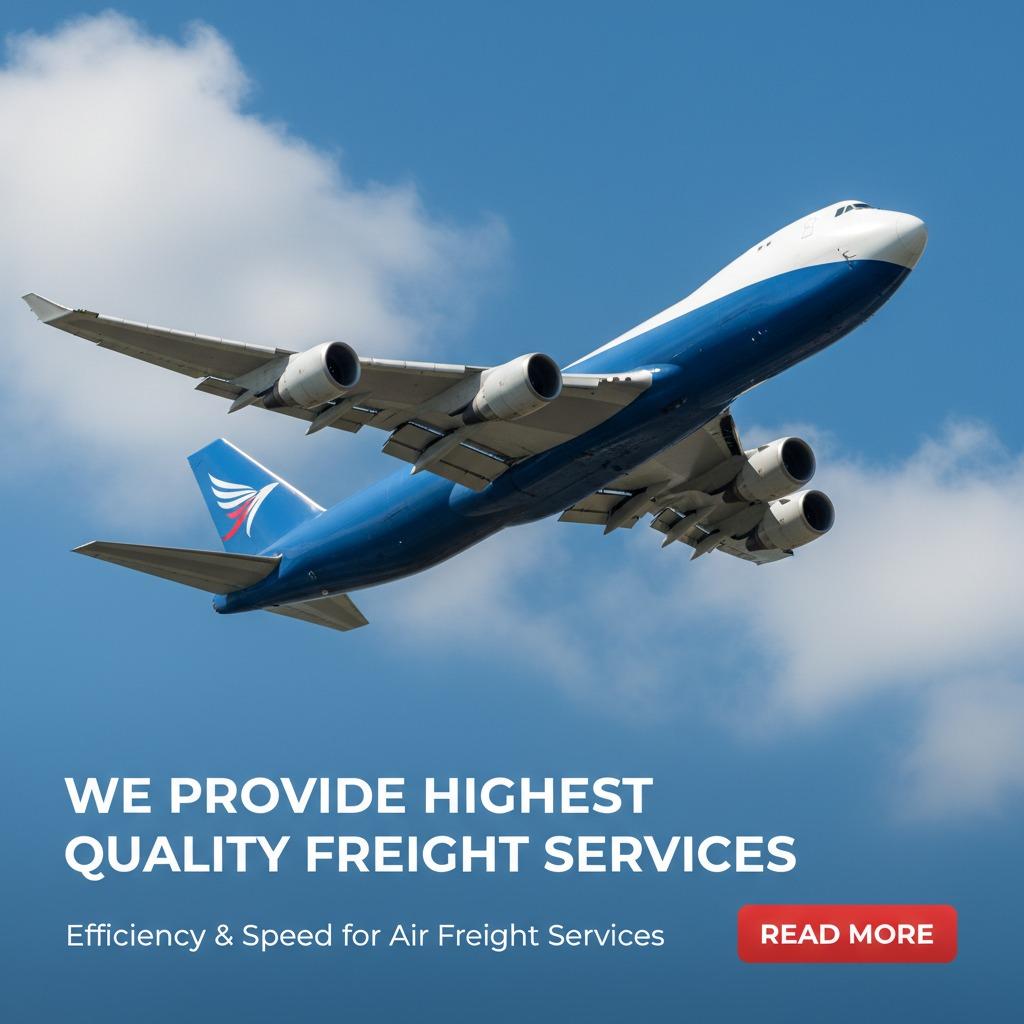
Air freight represents the pinnacle of speed in logistics, offering businesses a reliable way to transport goods across continents in record time. Modern aircraft designed for aerodynamics and advanced handling ensure seamless operations, from pickup to delivery. This form of logistics is particularly beneficial for time-sensitive industries like electronics and pharmaceuticals, where delays can incur significant losses. With precision-crafted processes, air freight services reduce transit times by incorporating real-time tracking and optimized routing, often achieving delivery within 24-48 hours globally. Cost-effectiveness is another advantage; while initial rates may seem high, the reliability offsets potential disruptions in ground or sea logistics. According to the International Air Transport Association, air cargo volumes have grown by 5% annually, underscoring its role in resilient supply chains. For companies aiming to expand, embracing air freight logistics opens doors to agile global operations.
Sustainable Practices Shaping Tomorrow's Logistics
Sustainability is increasingly central to logistics strategies, with innovations focusing on eco-friendly designs across ports, construction, and air transport. Electric gantry cranes and low-emission aircraft reduce carbon footprints, aligning with global regulations like the Paris Agreement. Real-time data analytics in logistics not only boosts efficiency but also minimizes waste, such as optimizing fuel use in freight routes. Businesses adopting these practices report up to 20% savings in operational expenses, per Deloitte insights. As logistics continues to evolve, integrating green technologies ensures long-term viability, fostering a balance between economic growth and environmental responsibility. Ultimately, forward-thinking logistics solutions empower companies to navigate challenges, from supply disruptions to regulatory changes, securing a competitive edge in the global marketplace.





