
Traditional Logistics vs. Next-Generation Innovations
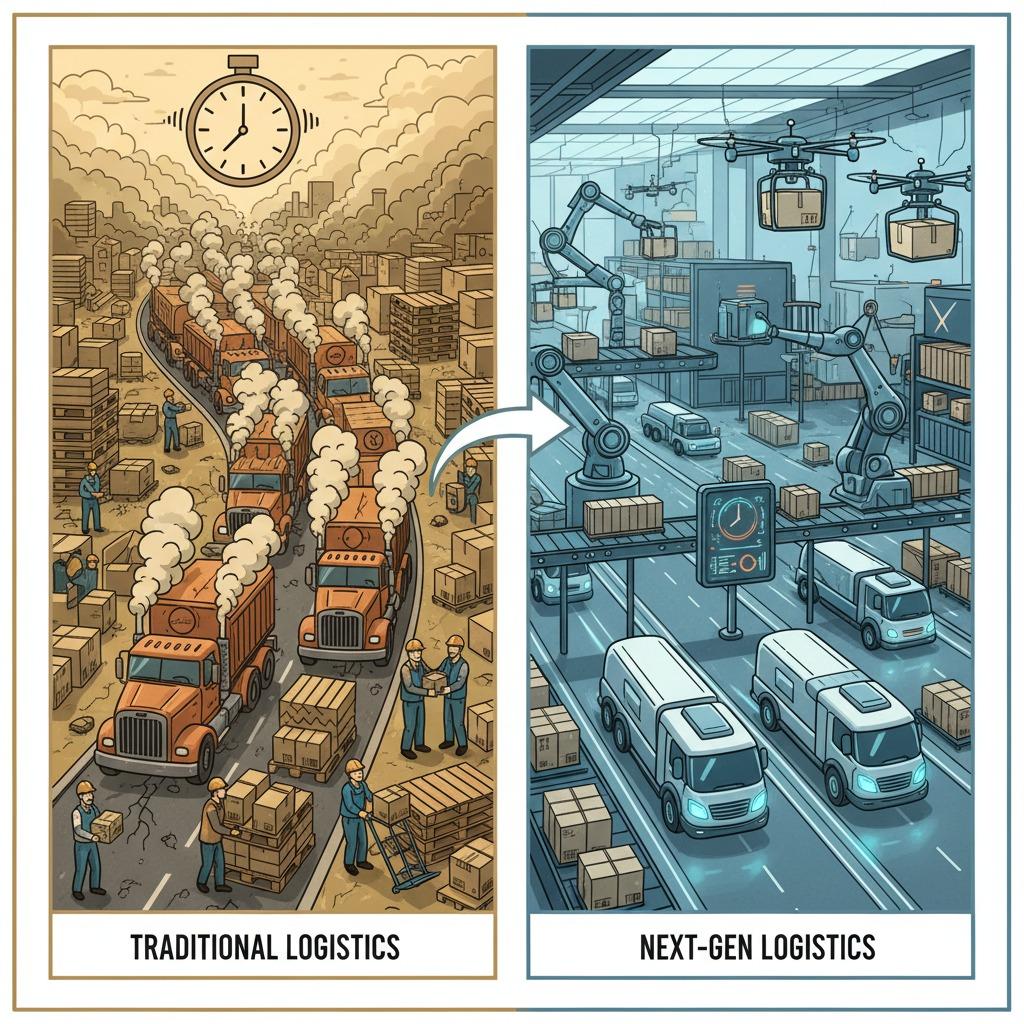
In the world of logistics, efficiency and reliability are paramount, but traditional methods often fall short compared to emerging innovations. Traditional logistics relies heavily on manual processes, standard trucking fleets, and fragmented supply chains, which can lead to delays and higher costs. In contrast, next-generation solutions like our innovative cargo trucks introduce advanced features that streamline operations. For instance, while conventional trucks struggle with fuel inefficiency under heavy loads, our fleet's aerodynamic design reduces wind resistance, ensuring smoother journeys and better performance across diverse terrains.
Comparing Fleet Capabilities and Sustainability
When examining fleet versatility, traditional logistics setups are limited to basic container handling, often incompatible with varying international standards. Our modern trucks, however, boast a heavy-duty chassis that supports up to 40-foot containers from brands like COSCO, making them ideal for both local and global routes. Moreover, sustainability sets a stark contrast: older systems contribute to high emissions, whereas our low-emission engines align with global environmental standards, promoting eco-friendly practices without sacrificing power. This comparison highlights how innovative logistics can transform operational reliability into a competitive edge.
Driver Comfort and Smart Ecosystem Integration
Driver experience further differentiates these approaches. Traditional logistics often overlooks ergonomics, leading to fatigue on long hauls, but our trucks feature cutting-edge cockpits with ergonomic seating, advanced GPS, and adaptive controls for enhanced comfort and safety. Expanding beyond trucks, our Smart Logistics Ecosystem integrates land, sea, and air transport, contrasting with siloed traditional methods. Automated drones and AI-synchronized multi-modal networks ensure rapid, punctual deliveries, while smart distribution hubs with IoT automate cargo flow—far surpassing the manual oversight of conventional ports and railways.
Port Operations: Manual vs. Precision Engineering
In port logistics, traditional operations depend on labor-intensive loading with basic cranes, prone to errors and slowdowns. Modern infrastructure, as seen in bustling maritime hubs, employs precision-engineered gantry cranes that lift high-capacity containers with speed and accuracy. Our ecosystem's seamless connectivity across ports, highways, and airstrips minimizes delays, unlike fragmented traditional networks. Green energy features like solar-powered charging hubs add sustainability, reducing fossil fuel reliance and positioning advanced logistics as the future of global trade.
Overall Impact on Business Efficiency
Ultimately, the comparison between traditional and innovative logistics reveals a clear evolution. Where older systems prioritize endurance over intelligence, our solutions combine bold aesthetics—like vibrant red branding—with real-time tracking and predictive analytics for proactive management. Businesses adopting these advancements achieve faster deliveries, lower emissions, and optimized costs, redefining supply chains for tomorrow's demands. This shift not only enhances reliability but also drives sustainable growth in an increasingly connected world.





