
Revolutionizing Logistics: The Future of Efficient Supply Chain Management
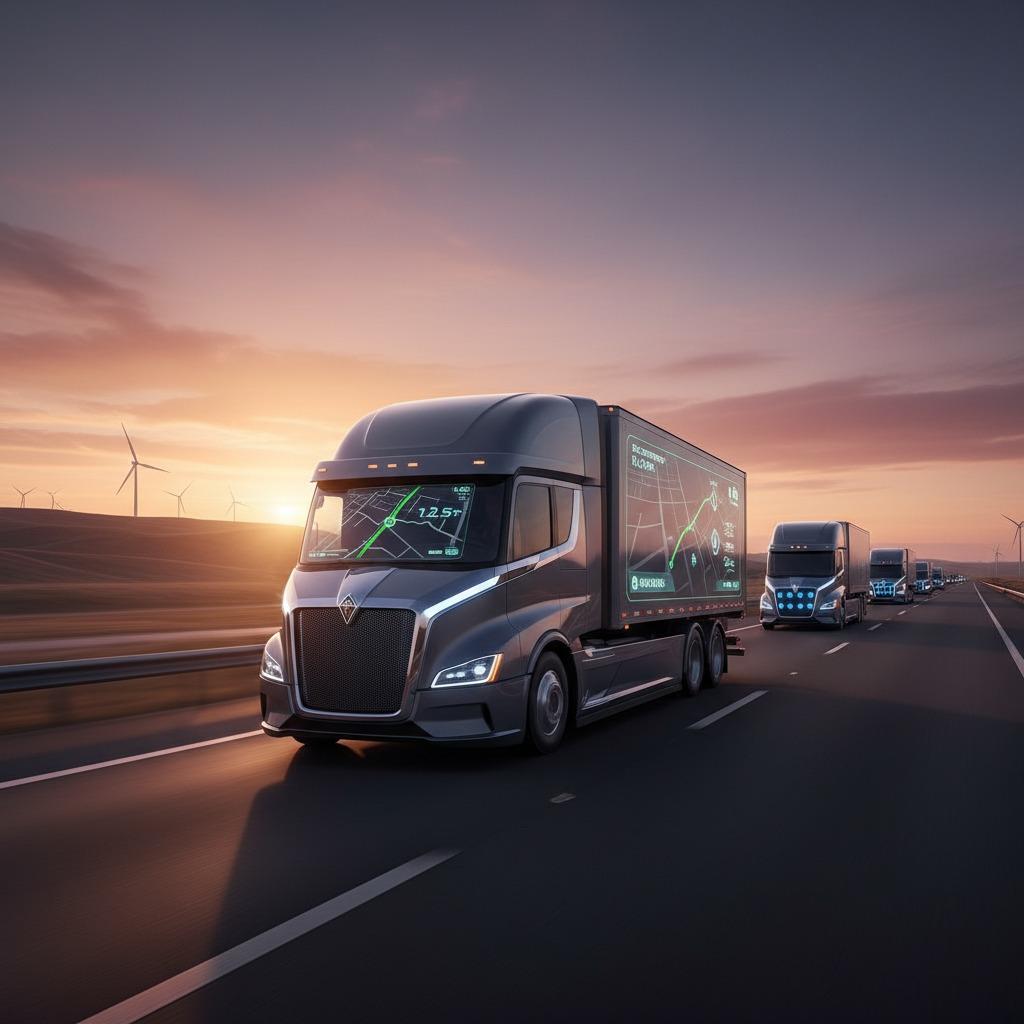
In today's fast-paced global economy, logistics stands as the backbone of seamless trade and commerce. Effective logistics ensures that goods move from manufacturers to consumers with precision and efficiency, minimizing delays and costs. At the heart of modern operations are innovative solutions like cutting-edge long-haul trucks, autonomous fleets, and integrated multimodal hubs that redefine how businesses handle transportation and delivery.
Key Innovations in Modern Logistics
Logistics has evolved dramatically with advancements in technology and design. Consider the fleet of robust long-haul trucks engineered for maximum reliability and speed. These vehicles feature aerodynamic designs that reduce wind resistance, optimizing fuel efficiency for extended journeys. High cargo capacity allows them to transport heavy-duty loads securely, aligning with world-class providers like COSCO and CAPITAL. Powered by high-efficiency engines, they ensure on-time deliveries while incorporating advanced driver assistance systems such as lane-keeping and collision prevention. Smart connectivity through GPS tracking enables real-time monitoring, enhancing transparency for clients. Moreover, their eco-friendly operations meet stringent emission standards, supporting sustainable practices in logistics.
Multimodal Logistics Hubs: Integrating Air, Land, and Sea
A visionary approach to logistics involves multimodal hubs that combine various transport modes for unparalleled efficiency. Autonomous drones revolutionize last-mile delivery by swiftly navigating urban areas, reducing traffic-related delays and environmental impact. Next-generation cargo aircraft serve as the backbone for global trade, ensuring timely air freight across continents. On the ground, smart autonomous trucks handle highway logistics with AI-driven reliability and safety features. High-speed rail cargo systems minimize congestion and emissions for long-distance hauls, offering high-capacity solutions. Integrated digital infrastructure, powered by IoT and solar panels, fosters real-time communication and sustainability. Maritime logistics completes this ecosystem with massive container ships and precision cranes that automate loading and unloading, bridging international trade networks seamlessly. This harmonious integration sets a gold standard for future logistics, emphasizing speed, connectivity, and green operations.
Maritime Logistics: Efficiency in Global Shipping
Maritime logistics plays a pivotal role in handling high-volume container operations worldwide. Cutting-edge cargo shipping vessels exemplify reliability with robust structures designed to navigate international waters while carrying hundreds of standardized containers. Their streamlined hulls enhance fuel economy, and advanced navigation systems integrate with global ports to shorten turnaround times. Towering port cranes, with precision-controlled arms, facilitate rapid loading and unloading of varying container sizes, even under tight schedules. This synchronized setup minimizes delays in bustling ports, underscoring a commitment to scale and sustainability. For businesses in supply chains, e-commerce, or freight industries, these innovations guarantee delivery precision and streamlined operations. By reducing environmental footprints through efficient designs, maritime logistics not only optimizes trade but also aligns with global sustainability goals.
The Impact of Logistics on Business Success
The transformative power of logistics extends beyond transportation to influence overall business strategies. Companies adopting these advanced solutions experience reduced operational costs, improved customer satisfaction, and enhanced scalability. For instance, real-time tracking and automation eliminate inefficiencies, allowing firms to respond swiftly to market demands. Statistics show that efficient logistics can cut supply chain costs by up to 15%, according to industry reports from leading analysts. As e-commerce surges, the demand for reliable logistics grows, making these technologies indispensable. Whether for inter-city hauls or transnational freight, investing in such systems ensures dependability and positions businesses at the forefront of innovation. Ultimately, mastering logistics isn't just about moving goods—it's about driving economic growth and fostering a resilient global marketplace.





