
Understanding the Essentials of Logistics in Modern Transportation
Logistics forms the backbone of efficient transportation and supply chain management, ensuring goods move seamlessly from origin to destination. In today's fast-paced global economy, logistics encompasses everything from planning and execution to monitoring and optimization. This critical function minimizes delays, reduces costs, and enhances customer satisfaction. As industries evolve, integrating advanced technologies into logistics has become essential for staying competitive.
Key Components of Effective Logistics Operations
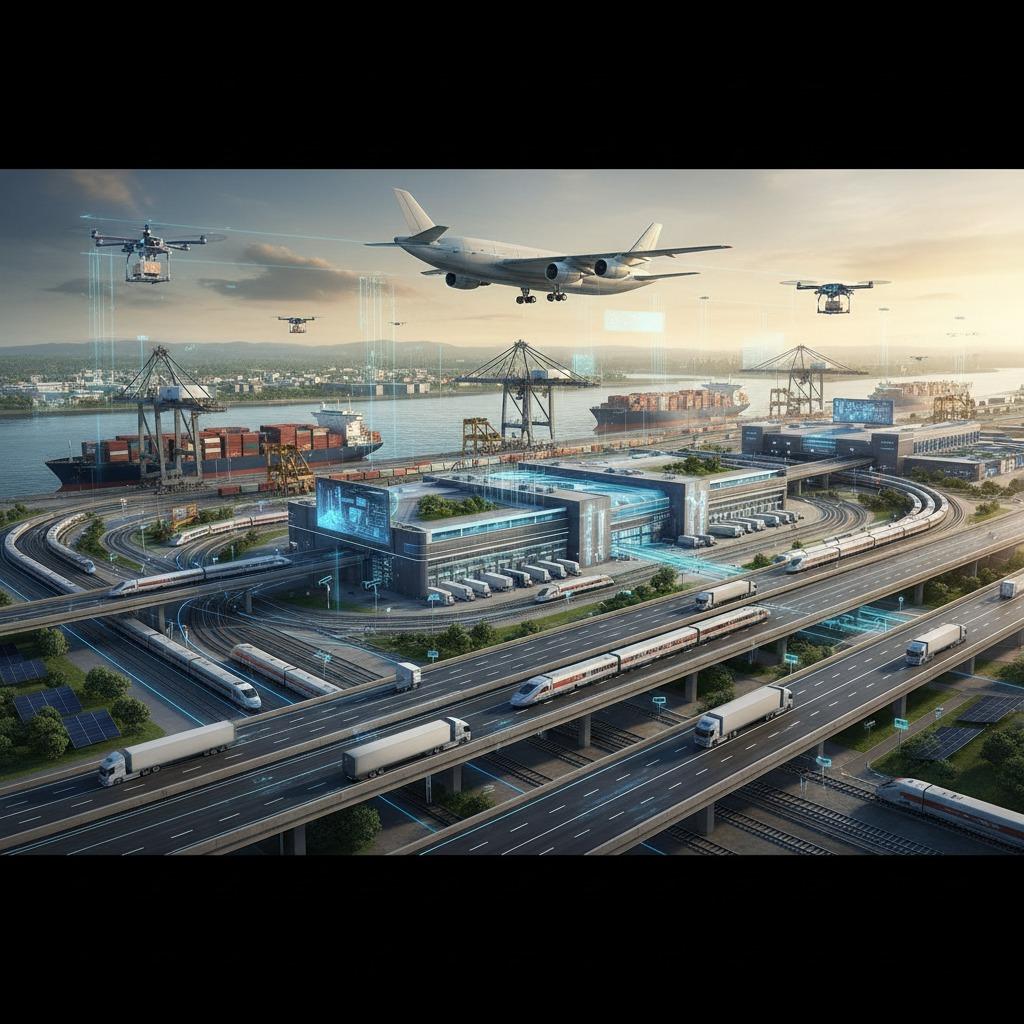
At its core, logistics involves several interconnected elements, including transportation, warehousing, inventory management, and order fulfillment. Transportation, a primary aspect of logistics, relies on diverse modes such as road, air, sea, and rail to transport goods efficiently. For instance, heavy-duty container trucks equipped with robust engines and versatile chassis are vital for long-haul shipments, ensuring heavy cargo loads reach their destinations without compromise. Warehousing supports logistics by providing secure storage solutions, where goods are organized and tracked using digital systems to prevent bottlenecks. Inventory management within logistics uses data analytics to forecast demand, maintaining optimal stock levels and avoiding overstocking or shortages. These components work in tandem to create a streamlined flow, adhering to international standards for safety and efficiency.
The Role of Technology in Revolutionizing Logistics
Technological advancements are transforming logistics, making it more precise and sustainable. Real-time monitoring systems integrated into vehicles, such as container trucks, allow fleet managers to track cargo locations, monitor fuel consumption, and ensure timely deliveries. In aviation-related logistics, solutions like efficient ground fueling systems and automated baggage handling enhance airport operations, reducing turnaround times and minimizing errors. Digital platforms enable predictive analytics, helping businesses anticipate disruptions like weather delays or supply shortages. Moreover, eco-friendly innovations, including hybrid-powered equipment and fuel-efficient engines, align logistics with environmental regulations, lowering carbon footprints while maintaining high performance. For example, aerodynamic truck designs and lightweight materials in aircraft contribute to reduced operational costs and greener practices across the supply chain.
Challenges and Solutions in Contemporary Logistics
Despite its advancements, logistics faces challenges such as supply chain disruptions, rising fuel costs, and regulatory compliance. Global events like pandemics or geopolitical tensions can halt shipments, underscoring the need for resilient logistics strategies. Solutions include diversifying transportation routes and adopting multi-modal logistics approaches, combining trucks, ships, and planes for flexibility. Safety remains paramount, with features like anti-collision alerts in ground support equipment and reinforced structures in transport vehicles preventing accidents. Businesses are also leveraging AI-driven tools for route optimization, which can cut fuel usage by up to 20% according to industry reports. By addressing these hurdles proactively, companies ensure logistics not only meets but exceeds expectations in reliability and speed.
The Future Outlook for Logistics Innovation
Looking ahead, logistics is poised for further innovation with the rise of autonomous vehicles, blockchain for transparent tracking, and drone deliveries for last-mile efficiency. These developments promise to make logistics even more agile and cost-effective. In sectors like aviation and maritime trade, sustainable practices will dominate, driven by global commitments to reduce emissions. As logistics continues to evolve, its role in powering economies and enabling global trade will only grow, fostering connections between industries and consumers worldwide. Embracing these changes ensures that logistics remains a driving force in a connected world.





