
Understanding the Essentials of Logistics in Modern Trade
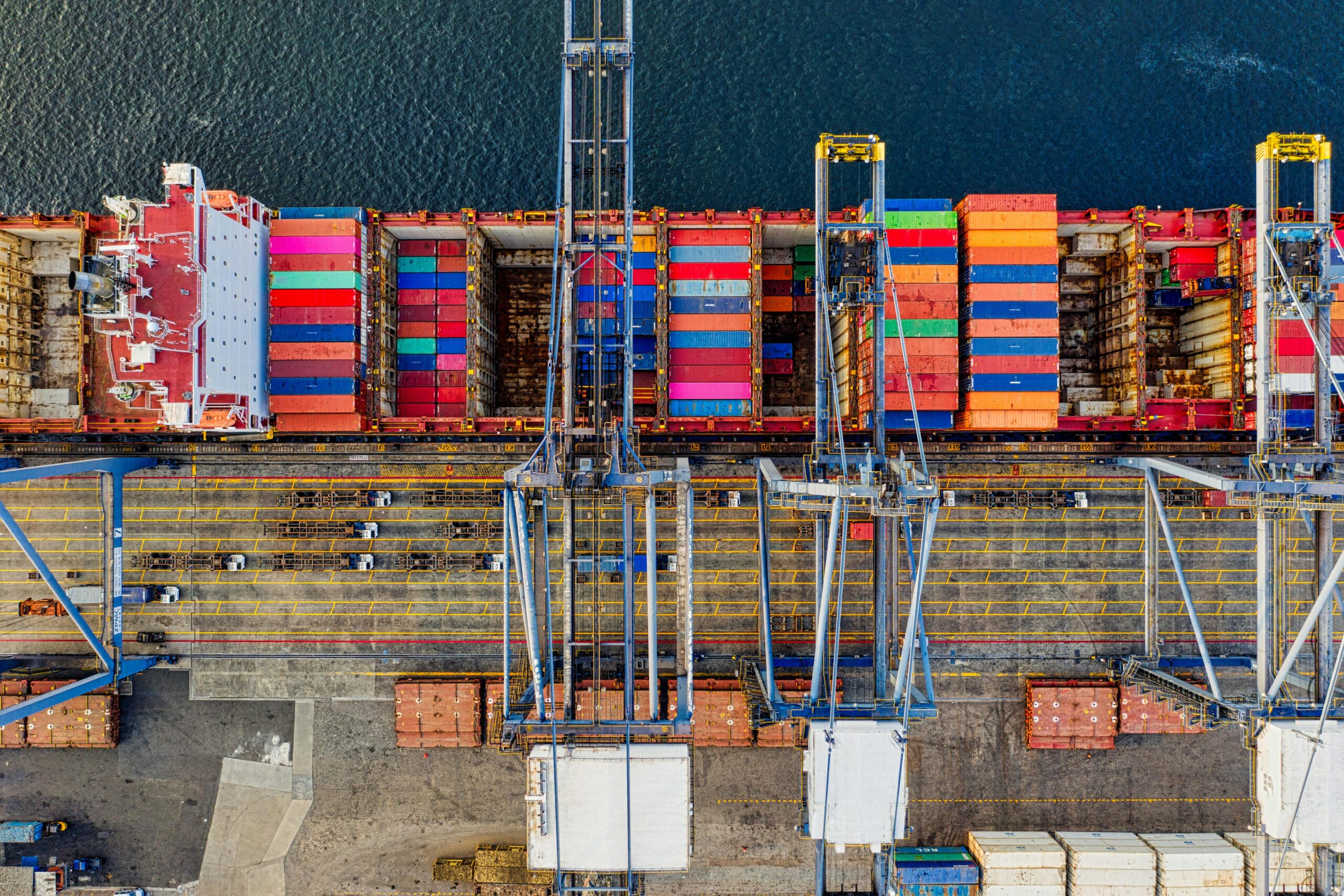
Logistics forms the backbone of global commerce, ensuring that goods move efficiently from origin to destination. In today's interconnected world, effective logistics management is crucial for businesses aiming to stay competitive. This discipline encompasses everything from inventory control to delivery, playing a pivotal role in supply chain operations. As international trade expands, the demand for streamlined logistics has never been higher, with statistics showing that optimized processes can reduce costs by up to 15% according to industry reports from the International Maritime Organization.
Exploring Transportation Logistics for Seamless Operations
Transportation logistics is a critical subset of the broader logistics framework, focusing on the movement of goods via various modes such as road, rail, sea, and air. This aspect involves route optimization, fleet management, and compliance with regulatory standards to minimize delays and environmental impact. For instance, in containerized shipping, transportation logistics ensures that cargo is loaded, transported, and unloaded with precision, directly influencing turnaround times at ports. Recent data from the World Trade Organization indicates that efficient transportation logistics can boost global trade volumes by enhancing reliability and reducing transit times by an average of 20%.
The Role of International Logistics in Global Supply Chains
International logistics extends beyond domestic borders, addressing the complexities of cross-border shipments, customs procedures, and multicultural coordination. It requires sophisticated systems to handle tariffs, documentation, and varying international regulations, making it indispensable for multinational enterprises. In the realm of maritime trade, international logistics synchronizes vessel schedules with global databases, facilitating smoother customs clearance and fostering stronger trade partnerships. According to a McKinsey report, companies excelling in international logistics see up to 25% improvement in supply chain resilience, particularly in volatile markets affected by geopolitical shifts.
Revolutionizing Logistics with Advanced Technology
The integration of technology is transforming traditional logistics into smart, data-driven ecosystems. Innovations like IoT sensors and AI algorithms enable real-time tracking and predictive analytics, which are essential for managing large-scale operations. For example, intelligent crane coordination in ports can reduce idle times by optimizing machinery speeds, while enhanced container tracking ensures accurate inventory management. These advancements not only streamline processes but also promote eco-friendly practices by minimizing energy waste and emissions, aligning with global sustainability goals outlined in the UN's Sustainable Development Goals.
Key Features Driving Efficiency in Logistics Management
Modern logistics solutions incorporate features like dynamic dock management to prevent bottlenecks and ensure fluid vehicle movement. In busy port environments, where cranes, trucks, and containers interact constantly, such systems provide live scheduling and analysis to maintain operational flow. Additionally, global trade synchronization connects local operations to international shipping networks, expediting processes and reducing paperwork errors. Statistics from Deloitte highlight that ports adopting these technologies experience a 30% increase in throughput capacity, underscoring the value of precision in logistics.
Future Trends and the Impact of Logistics on Business Growth
Looking ahead, logistics is poised for further evolution with the rise of automation and blockchain for secure transactions. These trends will enhance transparency in transportation logistics and international logistics, allowing businesses to make informed decisions based on real-time insights. As ports become smarter hubs in global trade, the focus on efficiency, sustainability, and reliability will drive economic growth. Companies that invest in robust logistics strategies not only cut costs but also build resilient supply chains capable of adapting to disruptions, ensuring long-term success in a dynamic marketplace.





