
Understanding Traditional Logistics vs. Modern Container-Based Solutions
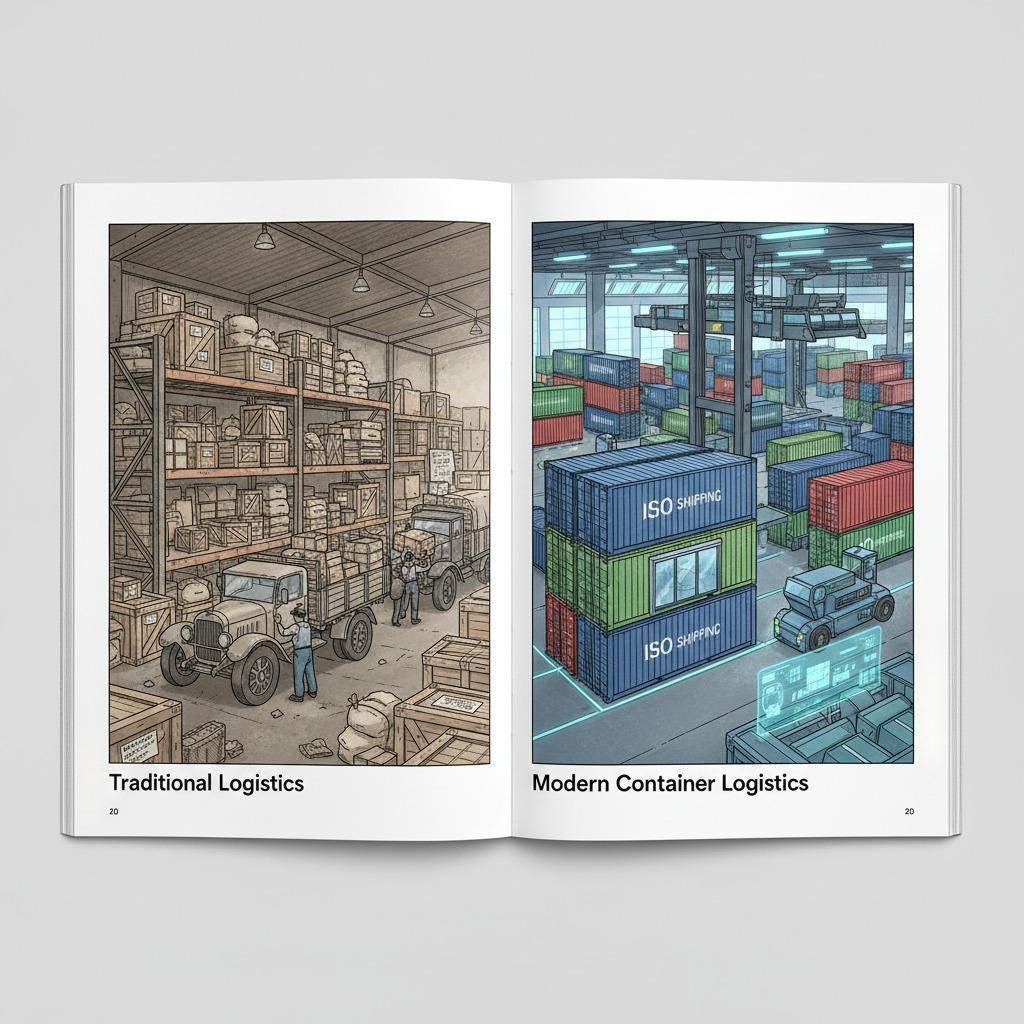
In the world of logistics, efficiency and reliability are paramount, especially when comparing traditional methods to innovative approaches like multi-purpose shipping containers. Traditional logistics often relies on custom-built transport vehicles and storage facilities tailored to specific needs, which can lead to higher costs and less flexibility. In contrast, modern logistics powered by versatile containers offers a standardized, scalable solution that streamlines operations across industries. This comparison highlights how adopting container technology can transform the logistics landscape, making it more adaptable to global demands.
Key Features: Heavy-Duty Construction in Traditional vs. Container Logistics
When examining heavy-duty construction, traditional logistics setups like wooden crates or bespoke metal frames often struggle in extreme weather, leading to damage and delays. Multi-purpose shipping containers, made from weather-resistant steel, stand out by withstanding harsh conditions during transit and storage, ensuring goods remain secure. This contrast is evident in shipping scenarios: while traditional methods might require additional protective layers, containers provide inherent durability, reducing the need for extra packaging and cutting down on overall logistics expenses. The color-coded system in these containers further enhances organization, a feature absent in many older logistics practices, allowing teams to identify and handle items swiftly without confusion.
Customizable Options: Flexibility in Logistics Approaches
Customization is another area where the divide between traditional and modern logistics becomes clear. Conventional logistics might involve rigid, industry-specific designs that limit adaptability, such as fixed-size trucks for bulk transport. Conversely, multi-purpose shipping containers offer multiple sizes and designs, from standard 20-foot units to larger variants, suitable for everything from international shipping to modular construction projects. Businesses can add insulation, ventilation, or even branding, tailoring the containers to unique needs without overhauling their entire logistics chain. This versatility contrasts sharply with the one-size-fits-all limitations of traditional methods, enabling faster deployment in diverse applications like mobile warehouses or temporary offices.
Global Compatibility: Traditional Logistics Challenges vs. Standardized Container Efficiency
Global recognition and compatibility set container-based logistics apart from traditional systems. Older logistics often face interoperability issues when switching between ships, trains, and trucks, resulting in bottlenecks at ports or rail yards. Multi-purpose shipping containers, adhering to internationally recognized standards, seamlessly integrate across all transport modes, facilitating smooth worldwide movement of goods. For instance, in air and sea hubs, these containers stack efficiently under cranes, as seen in high-tech shipping yards where colorful units align perfectly for loading onto cargo planes or massive container ships. This standardization minimizes downtime and errors, unlike the patchwork compatibility of traditional logistics, which can inflate costs and timelines.
Applications and Sustainability: Contrasting Impacts on the Logistics Industry
Looking at applications, traditional logistics excels in localized, low-volume tasks but falters in scalability for global trade. Multi-purpose shipping containers revolutionize this by serving as dynamic links in the supply chain—ideal for shipping logistics, on-site storage, or even construction sites turned into functional spaces. Their sustainable design, with hydrodynamic features on container ships reducing fuel consumption and emissions, contrasts with the higher environmental footprint of non-standardized traditional methods. In bustling ports at sunset, where tugboats guide these vessels, the integration of air freight and maritime routes showcases unparalleled connectivity. Ultimately, while traditional logistics provides a foundational approach, the shift to container solutions promises agility, lower emissions, and bold aesthetics, redefining efficiency for an interconnected world. This evolution not only boosts productivity but also aligns with forward-thinking business goals in logistics.





