
Revolutionizing Logistics in the Wake of Global Supply Chain Disruptions
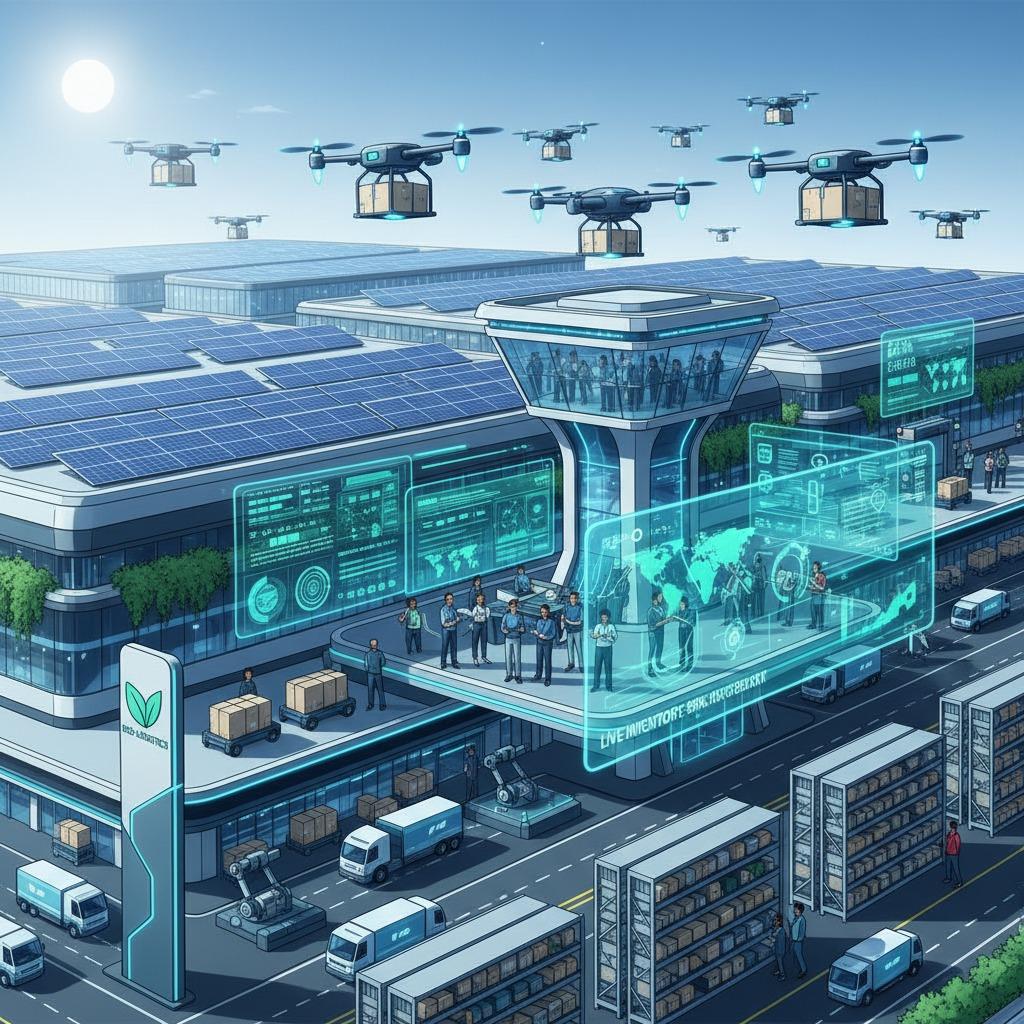
In the fast-evolving world of logistics, recent news of escalating trade tensions and climate-driven disruptions has spotlighted the urgent need for smarter, more resilient systems. As companies grapple with delays from Red Sea conflicts and surging demand for sustainable practices, innovations like the Smart Logistics Hub are emerging as game-changers. This cutting-edge facility integrates advanced technologies and sustainability to redefine efficiency, ensuring that logistics operations can adapt swiftly to global challenges while minimizing environmental impact.
The Smart Logistics Hub stands out with its autonomous aerial delivery fleet, where AI-powered drones navigate complex skies for speedy and collision-free delivery. These drones optimize routes in real-time, adapting to weather and traffic—perfect for a world where news of port strikes and geopolitical hurdles frequently upend traditional supply chains. Hyper-connected infrastructure further enhances this, featuring dynamic holographic interfaces and digital control screens that provide live data on inventory and routes. This transparency is crucial amid recent reports of supply shortages, allowing for continuous monitoring and reducing inefficiencies that could otherwise balloon costs.
Sustainability at the Core of Modern Logistics
Eco-friendly energy solutions are a hallmark of the hub, with solar-powered grids supporting green operations and slashing carbon emissions. As headlines warn of stricter international regulations on emissions, such as the EU's Carbon Border Adjustment Mechanism, facilities prioritizing renewables like this one position businesses for compliance and long-term savings. Integrated transportation networks tie it all together, blending high-speed trains, autonomous trucks, and smart vehicles in a zero-disruption intermodal system. This seamless movement across air, land, and sea modes addresses the logistics bottlenecks highlighted in recent analyses of global trade slowdowns, facilitating faster import/export processes.
Maritime connectivity adds another layer, linking the hub to ports with real-time shipping analytics for minimized delays. Advanced automation, from warehouse robots to predictive AI for supply forecasting, ensures precision and low costs—vital in an era where news of labor shortages and rising fuel prices demand maximum throughput. The hub's design not only boosts operational efficiency but also aligns with broader industry shifts toward automation, as seen in recent investments by major players like Amazon and Maersk.
The Future of Logistics: Innovation Meets Global Demands
Beyond the hub, complementary advancements like state-of-the-art container ports and modern cargo ships are amplifying logistics capabilities. Towering gantry cranes at these ports handle massive volumes with precision, while expansive stacking and automated systems optimize storage and transport. Deep-water berths accommodate ultra-large vessels, supporting the global trade surge reported in recent economic forecasts. Eco-initiatives here, including energy-efficient equipment, echo the sustainability focus, reducing the ecological footprint amid growing scrutiny from environmental advocates.
Vessels like the latest in container transportation exemplify this synergy, with sleek designs maximizing capacity and fuel efficiency. Sophisticated navigation ensures safe voyages, bridging economies as international commerce rebounds post-pandemic. These elements collectively illustrate how logistics is transforming: from reactive to proactive, leveraging technology to navigate uncertainties. For businesses, adopting such innovations means not just survival but thriving in a logistics landscape reshaped by current events. As supply chains face ongoing tests, facilities like the Smart Logistics Hub pave the way for a more connected, efficient, and green future.





