
Emerging Trends in Logistics: Revolutionizing Global Supply Chains
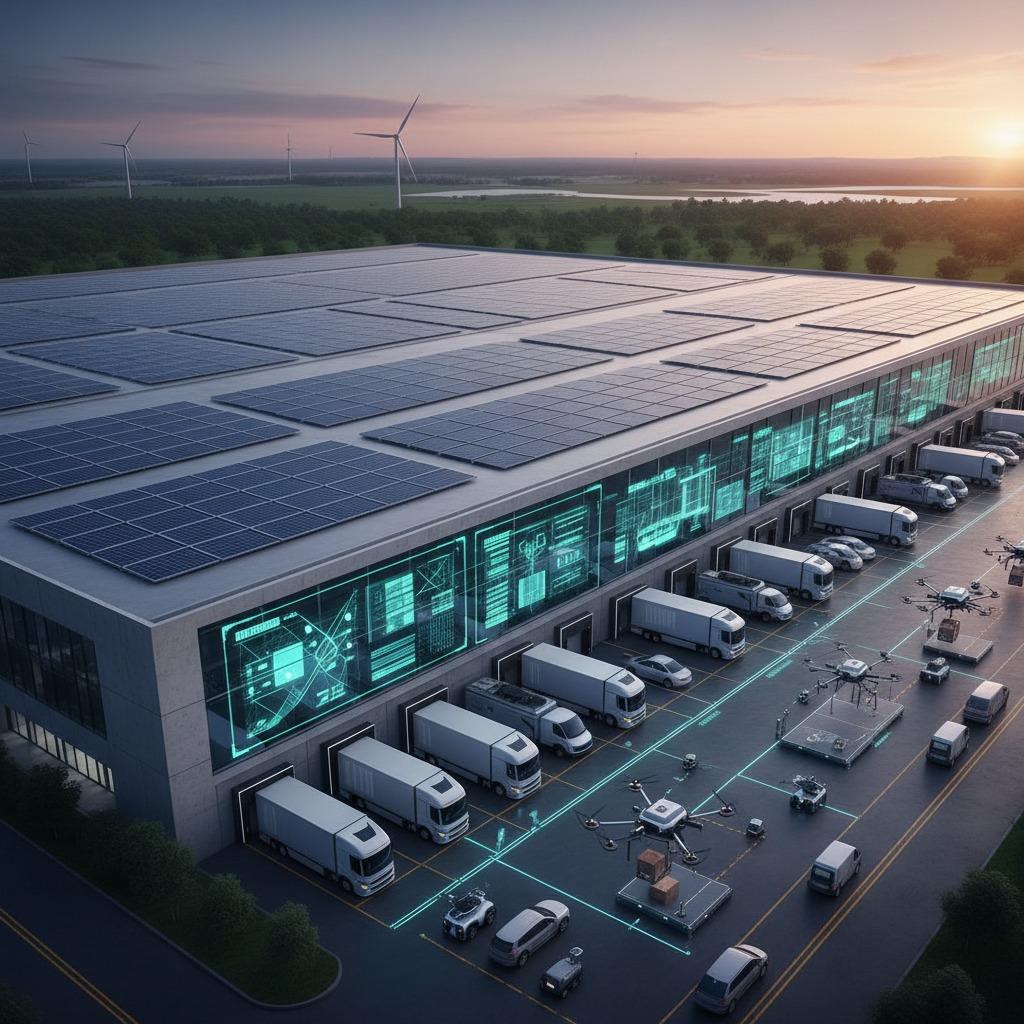
The logistics industry is undergoing a profound transformation, driven by technological advancements and the need for sustainability. Logistics, as the backbone of global trade, is evolving from traditional methods to smart, integrated ecosystems that promise unprecedented efficiency. Recent trends highlight the integration of AI, automation, and green technologies, reshaping how goods move across the world. This shift is not just about speed; it's about creating resilient supply chains that can adapt to disruptions like pandemics or geopolitical tensions. As companies seek to optimize operations, the focus on logistics has intensified, with innovations addressing bottlenecks in transportation and delivery.
Autonomous Technologies Leading the Charge in Logistics
One of the most prominent trends in logistics is the rise of autonomous systems, particularly drone fleets and self-driving vehicles. Imagine a future where high-capacity cargo drones bypass urban traffic, delivering packages with pinpoint accuracy through AI-coordinated networks. This isn't science fiction; it's the current trajectory. Companies are investing heavily in these technologies to cut delivery times and reduce human error. Similarly, electric trucks and high-speed trains are redefining ground and rail transport, emphasizing eco-friendly propulsion to lower carbon emissions. In maritime logistics, vessels like the HAGER AI Ultra-Mega Cargo Vessel exemplify this trend, boasting massive capacities and smart container management that optimizes loading and stability. These advancements ensure that logistics operations are not only faster but also more sustainable, aligning with global environmental goals.
Intelligent Hubs and Integrated Infrastructure Enhancing Logistics Efficiency
Central to these trends are intelligent logistics hubs that serve as nerve centers for operations. Picture sprawling facilities equipped with digital panels for real-time inventory tracking and solar-paneled roofs for energy self-sufficiency. These hubs connect seamlessly with air, sea, and land systems, facilitating global distribution without delays. Cargo ports with high-capacity gantry cranes and organized container stacks are becoming standard, integrating land pathways for trucks and rails to expedite inland movement. The trend towards multi-modal integration means that logistics is no longer siloed; it's a cohesive network where AI optimizes routes and predicts demands. This holistic approach is reducing costs and improving scalability, allowing businesses to handle surging volumes in e-commerce and international trade.
Sustainability as a Core Driver in Modern Logistics
Sustainability is no longer an afterthought in logistics—it's a driving force. Trends show a clear pivot towards green practices, with solar-powered infrastructure and low-emission vehicles dominating new developments. Ports and vessels are designed with eco-conscious features, such as efficient propulsion systems that minimize fuel use. This focus addresses the industry's significant carbon footprint while meeting regulatory pressures and consumer demands for ethical supply chains. As logistics evolves, companies adopting these sustainable trends gain a competitive edge, attracting environmentally aware partners and customers. The integration of renewable energy in hubs and fleets is setting new benchmarks, proving that efficiency and environmental responsibility can coexist.
The Future Outlook for Logistics Innovation
Looking ahead, the logistics landscape will be defined by even deeper AI integration and data analytics, enabling predictive maintenance and dynamic routing. Trends indicate a move towards fully autonomous ecosystems where human intervention is minimal, further boosting precision and speed. Global trade will benefit from these innovations, with facilities bridging continents effortlessly. As the industry continues to innovate, staying ahead of these trends will be crucial for businesses aiming to thrive in a connected world. The revolution in logistics is here, promising a future of seamless, sustainable, and smart transportation that redefines commerce.





