
Understanding the Foundations of Logistics
In the fast-paced world of global commerce, logistics stands as the backbone that ensures goods move efficiently from origin to destination. Logistics encompasses the planning, implementation, and control of the flow of goods, services, and information within the supply chain. It involves a complex network of transportation, warehousing, and inventory management to meet customer demands seamlessly. For businesses today, mastering logistics is crucial for reducing costs, improving delivery times, and maintaining competitive edges in diverse markets.
Key Features of State-of-the-Art Logistics Trucks
Modern logistics solutions, such as advanced freight trucks, are revolutionizing how cargo is transported. These vehicles are built with robust designs to handle heavy loads over long distances, featuring high-performance engines that optimize power and fuel efficiency. Reinforced trailers ensure stability and safety for containers, while aerodynamic builds reduce operational costs and enhance environmental sustainability. Equipped with ergonomic cabins and driver-assist technologies, these trucks prioritize comfort and safety during extended hauls. Emission control systems further align them with global eco-standards, making them ideal for companies focused on sustainable logistics practices. By integrating versatile container setups from top brands, they cater to various goods transportation needs, accelerating turnaround times and boosting overall efficiency.
The Integrated Smart Logistics Ecosystem
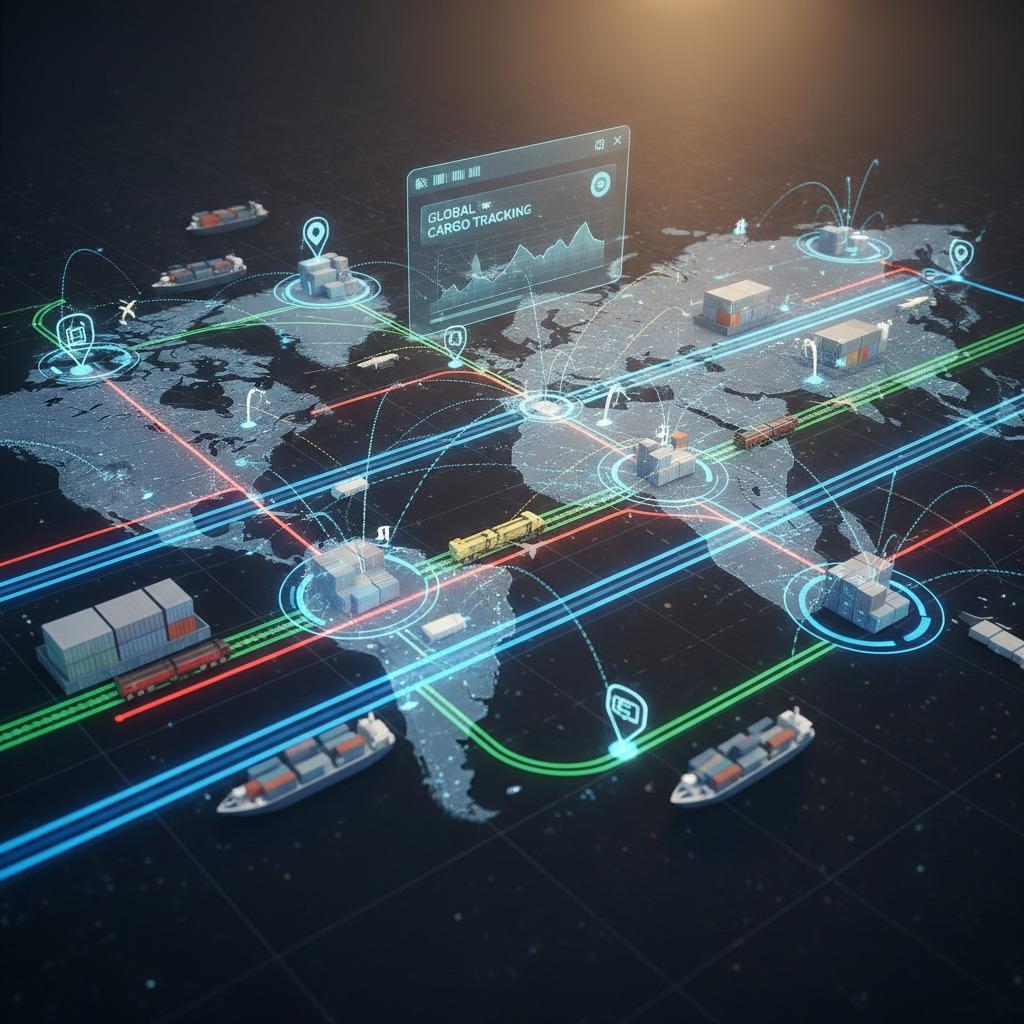
Imagine a fully automated logistics hub that connects road, rail, air, sea, and drone networks into a cohesive, tech-driven system. At the heart of this ecosystem is a next-generation center with AI-driven tools for cargo tracking, storage, and dispatch. High-speed rail systems enable rapid freight movement across regions, while autonomous trucks navigate highways with sensors and sustainable energy sources to minimize delays and congestion. Drone networks handle last-mile deliveries for lightweight cargo, using AI algorithms to optimize routes and avoid obstacles. Seamless port operations, powered by smart cranes and IoT devices, facilitate smooth transitions between maritime and land transport. This interconnected approach, supported by cloud-based data sharing, provides real-time insights into inventory and shipments, enhancing operational reliability and customer satisfaction while emphasizing sustainability through solar panels and electric vehicles.
Advancements in Port Logistics and Container Handling
Port facilities represent a critical node in the logistics chain, where advanced container ships and crane systems streamline cargo transfers. These massive vessels, with their wide decks and efficient propulsion, transport hundreds of containers across oceans, supporting global trade while reducing emissions through precise navigation. Towering gantry cranes, automated for speed and precision, lift heavy loads multiple at once, significantly cutting unloading times. The organized port layout includes areas for storage, sorting, and intermodal shifts, minimizing downtime and accelerating redistribution. Sustainability is woven into operations with electrified equipment and efficient routing to curb idle times. Such innovations not only connect continents but also cater to diverse industries, from electronics to raw materials, ensuring the world's commerce flows faster and greener. In essence, these developments in logistics underscore a commitment to efficiency, safety, and environmental responsibility, driving the future of supply chain management.





