
Revolutionizing Logistics in the Wake of Global Supply Chain Disruptions
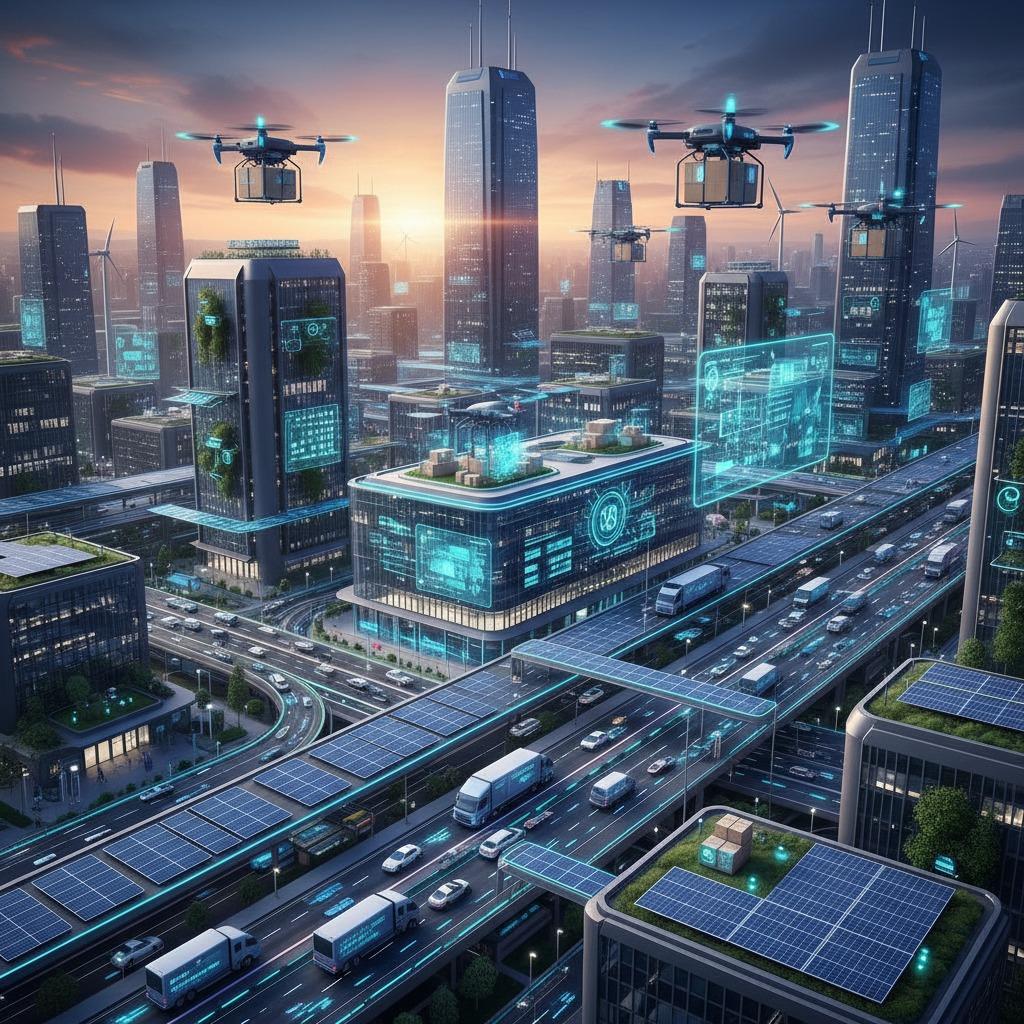
In the midst of recent global events, such as the ongoing Red Sea shipping crisis that has disrupted trade routes and skyrocketed freight costs, the logistics industry is undergoing a profound transformation. Logistics, the backbone of global commerce, is now at the forefront of innovation to mitigate these challenges. Companies worldwide are turning to cutting-edge solutions to ensure seamless goods movement amid unpredictable disruptions like geopolitical tensions and climate-related delays. This shift highlights the urgent need for resilient, tech-driven systems that can adapt in real-time, fostering efficiency and sustainability in an era of uncertainty.
Introducing a Smart Transportation Ecosystem for Future-Proof Logistics
Tying into the current buzz around sustainable urban development, as seen in recent UN reports on smart cities, our vision for logistics integrates advanced AI and IoT technologies into a fully interconnected hub. This innovative ecosystem revolutionizes how goods are transported, from automated drone delivery networks that navigate complex urban landscapes with precision to smart logistics centers equipped with real-time data analytics for inventory tracking and route optimization. Imagine fleets of autonomous drones, resilient to weather conditions, delivering packages directly to doorsteps, reducing last-mile delivery times by up to 50%. Meanwhile, the central hub's digital interfaces provide transparent monitoring, allowing businesses to forecast demand and minimize waste. This approach not only addresses the supply chain bottlenecks exacerbated by recent port congestions but also aligns with global pushes for greener operations through renewable energy integration, like solar-powered facilities that cut emissions significantly.
Enhancing Global Trade with Autonomous and Multimodal Connectivity
Building on the momentum from international summits on trade efficiency, such as the recent WTO discussions on digital logistics, our solution extends to autonomous transportation networks. Hyper-connected highways enable self-driving trucks and high-speed trains to coordinate via V2X technology, drastically reducing congestion and human error—key factors in the delays reported during last year's peak shipping seasons. Seamlessly integrated port connectivity further streamlines operations, linking ocean freight with air and ground transport to optimize international goods flow. For instance, strategically located hubs near deep-water ports facilitate quick container handling with towering cranes and organized layouts for multicolored shipping containers, ensuring diverse industries like retail and manufacturing benefit from reduced waiting times. This multimodal approach transforms logistics into a harmonious system, directly countering the inefficiencies highlighted in current news about escalating global trade costs.
The Next-Gen Container Vessel: Pioneering Sustainable Shipping
As headlines dominate with stories of fuel price hikes and emission regulations tightening under the IMO's latest guidelines, the introduction of our Next-Gen Container Vessel marks a pivotal advancement in logistics. This powerhouse features a sophisticated hull design that minimizes water resistance for superior fuel efficiency, stacking multiple tiers of containers—including refrigerated units—for optimal space utilization without compromising safety. Equipped with precision navigation and real-time tracking, it ensures cargo integrity across oceans, integrating flawlessly with dockside cranes for rapid loading and unloading. This vessel not only boosts throughput but sets a new benchmark for sustainability by slashing emissions, making it an indispensable asset in the fight against climate-driven disruptions in shipping lanes. By prioritizing eco-friendly practices, it supports the broader industry shift toward responsible logistics, as evidenced by recent corporate pledges for net-zero operations.
Why This Matters for Businesses and the Planet
In summary, as logistics faces unprecedented pressures from current events like supply shortages and environmental concerns, embracing these integrated solutions offers a pathway to resilience and innovation. From drone networks to autonomous vessels, this ecosystem empowers businesses to thrive in a volatile world, enhancing efficiency while championing sustainability. The future of logistics is here—connected, intelligent, and ready to navigate tomorrow's challenges today.





