
Evolving Trends in the Logistics Industry
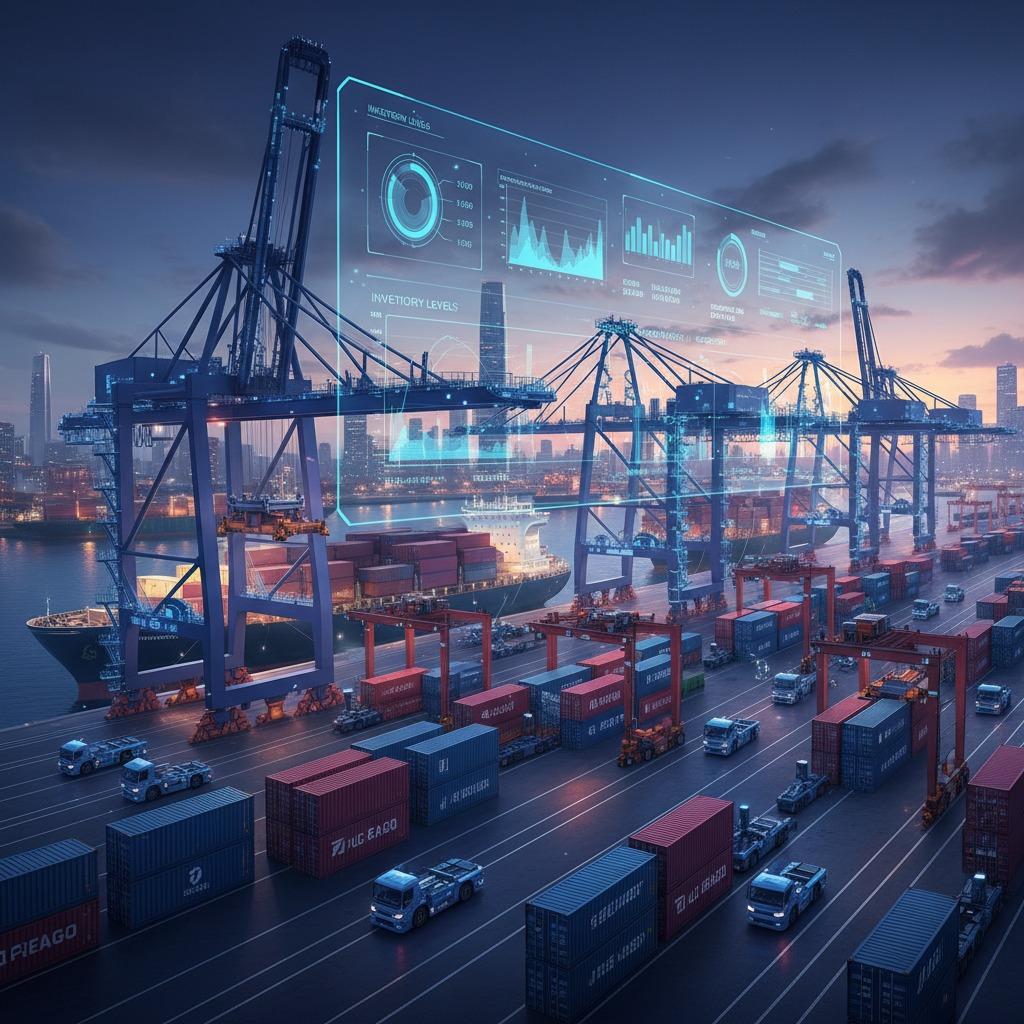
The logistics sector is undergoing a profound transformation, driven by technological advancements and the demand for efficiency in global supply chains. At the heart of this evolution is logistics, which encompasses the planning, execution, and control of the movement and storage of goods. Current trends highlight a shift towards automation and sustainability, as companies seek to optimize operations amid rising e-commerce volumes and geopolitical challenges. For instance, the integration of artificial intelligence and IoT in logistics is revolutionizing how ports and shipping hubs manage container flows, reducing delays and enhancing real-time tracking. This focus on logistics innovation is not just a buzzword; it's a necessity for staying competitive in an industry projected to reach $12 trillion by 2027.
Smart Port Management and AI-Driven Logistics
One of the most prominent trends in logistics is the adoption of smart port systems, which leverage AI and machine learning to streamline cargo operations. Inspired by bustling shipping hubs, these platforms automate container allocation, minimizing manual interventions and boosting throughput. Key features include real-time inventory monitoring via centralized dashboards, predictive maintenance through IoT sensors on cranes and equipment, and enhanced security protocols that safeguard goods. In logistics, sustainability tools are equally critical, with data-driven optimizations reducing energy consumption and carbon footprints for eco-friendly practices. This trend is particularly evident in mega ports, where logistics efficiency directly impacts international trade. By integrating these technologies, operators are achieving up to 30% improvements in operational speed, underscoring the shift towards intelligent, resilient supply chains.
Maritime Innovations and Sustainable Shipping Trends
Maritime logistics is another arena witnessing rapid changes, with vessels designed for durability and precision in industrial operations. Modern ships, equipped with advanced navigational systems and reinforced hulls, are tailored for cargo transport and dockside duties, ensuring seamless integration with port infrastructure. Trends here emphasize energy-efficient lighting, robust mooring systems, and compatibility with heavy machinery like cranes, all contributing to 24/7 operability. In the broader logistics landscape, the push for green shipping is gaining momentum, with vessels incorporating low-emission engines to meet regulatory standards. This aligns with global efforts to decarbonize trade routes, where logistics plays a pivotal role in reducing environmental impact while maintaining high performance. As coastal and international operations expand, these innovations are setting new benchmarks for reliability and style in maritime logistics.
Aviation's Role in Modern Logistics Networks
Aviation logistics is emerging as a vital complement to sea and land transport, with high-performance jets enabling swift cross-continental deliveries. Sleek aircraft featuring streamlined wings, twin engines, and winglet extensions optimize fuel efficiency and range, making them ideal for time-sensitive cargo. Trends in this niche focus on combining cutting-edge aerodynamics with sustainability, such as reduced drag designs that lower emissions. In logistics, these jets facilitate everything from e-commerce fulfillment to urgent medical supplies, bridging gaps in global networks. The bold aesthetics and engineering precision of these vessels reflect the industry's move towards multifunctional platforms that support both passenger and freight demands. As air cargo volumes surge by 4-5% annually, aviation logistics is poised to drive further integration across multimodal transport systems.
Future Outlook for Logistics and Industry Integration
Looking ahead, the logistics industry is trending towards seamless integration of aviation, maritime, and port technologies to create unified ecosystems. Predictive analytics and AI will continue to forecast disruptions, enabling proactive adjustments in logistics planning. Sustainability remains a cornerstone, with trends favoring electric propulsion in vessels and biofuels in aviation to combat climate change. Moreover, enhanced security and real-time data sharing are fortifying supply chains against risks like cyber threats. For businesses, embracing these logistics trends means investing in scalable solutions that enhance productivity and cut costs. As the sector evolves, the convergence of these innovations promises a more connected, efficient world of goods movement, ultimately benefiting economies and consumers alike.





