
Current Trends in Logistics: Revolutionizing Global Supply Chains
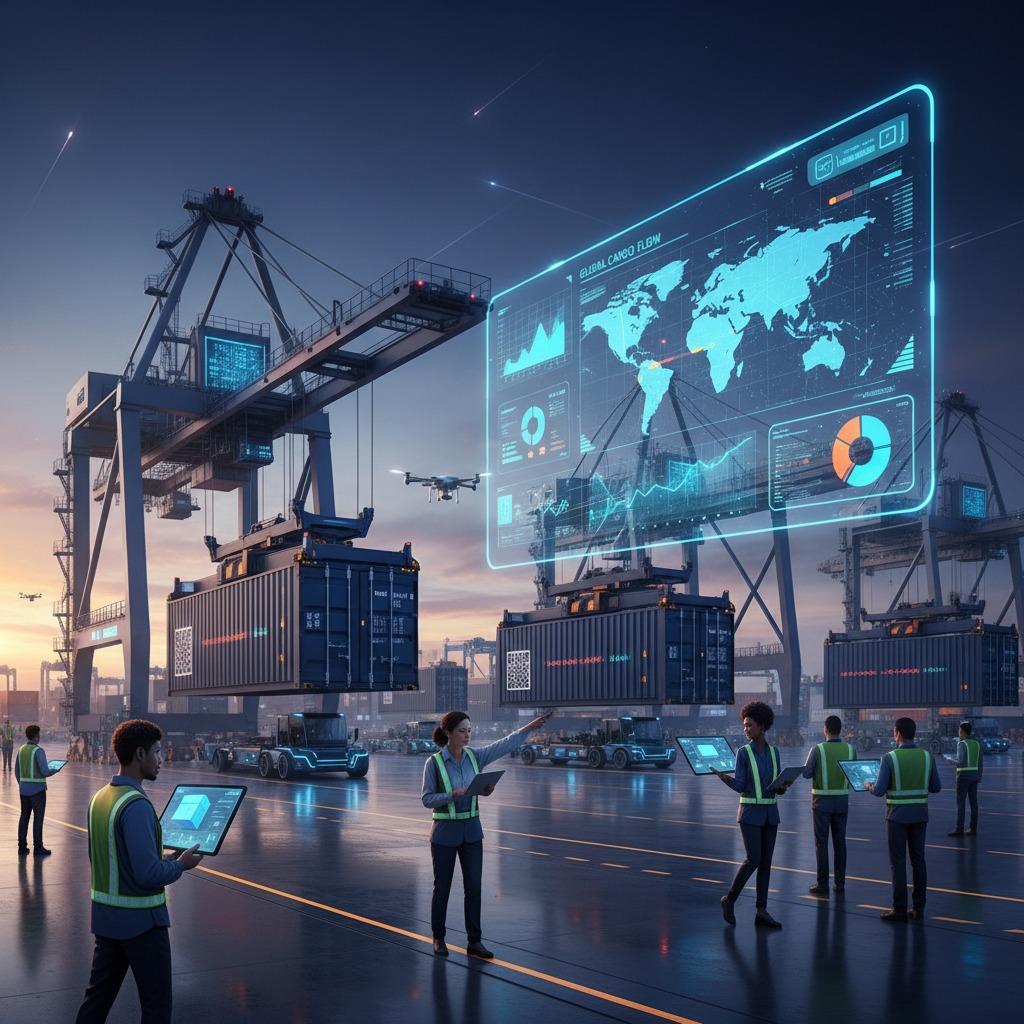
In the fast-paced world of logistics, staying ahead of emerging trends is crucial for businesses aiming to optimize operations and meet customer demands. Logistics, as the backbone of global trade, is undergoing a profound transformation driven by technological advancements and sustainability imperatives. From AI-powered automation to eco-friendly practices, the industry is shifting towards smarter, more efficient systems that promise to redefine how goods move across borders and oceans.
Technological Innovations Shaping Logistics
One of the most prominent trends in logistics is the integration of artificial intelligence and Internet of Things (IoT) technologies. Smart port operations management systems are at the forefront, utilizing real-time data analytics to track cargo movements and coordinate equipment like cranes and tugboats. For instance, container tracking sensors connected to centralized databases eliminate misplaced freight, while AI-driven scheduling minimizes downtime in loading processes. This not only boosts throughput in busy ports but also enhances security through predictive maintenance alerts. As logistics hubs worldwide adopt these tools, we're seeing a 20-30% improvement in operational efficiency, according to recent industry reports.
Sustainable Practices in Modern Logistics
Sustainability has become a non-negotiable aspect of logistics trends, with a strong push towards reducing carbon footprints in maritime and air transport. Innovations in fuel-efficient engines and lightweight materials for commercial aircraft and vessels are paving the way for greener operations. Ports are implementing eco-friendly systems that optimize energy consumption, cut emissions from idle machinery, and streamline customs documentation to reduce delays. This trend aligns with global regulations and consumer preferences for environmentally responsible supply chains. Companies investing in these sustainable logistics solutions are not only complying with standards but also gaining a competitive edge by appealing to eco-conscious markets.
The Role of Automation and AI in Port and Air Logistics
Automation is revolutionizing logistics on multiple fronts, particularly in port environments and air travel. Dock-integrated crane systems paired with advanced tugboats exemplify this shift, offering precision in handling heavy cargo through automated controls and navigational tech like GPS and radar. In aviation, sleek aircraft designs with winglets and twin-engine layouts ensure fuel economy and speed for short-to-medium hauls, complemented by state-of-the-art avionics for safety. These advancements in logistics are enabling seamless coordination between sea, air, and land transport, reducing congestion and wait times. As AI continues to evolve, predictive analytics will further refine traffic management, making global trade faster and more reliable.
Future Outlook: Resilient and Adaptive Logistics Networks
Looking ahead, the logistics sector is poised for even greater integration of digital twins and blockchain for transparent tracking. Trends indicate a rise in multimodal logistics platforms that combine air, sea, and road transport for holistic supply chain visibility. With ports handling thousands of containers daily, scalable systems that adapt from regional docks to global hubs will be key. Passenger comfort in air logistics, through ergonomic designs and climate controls, mirrors the focus on efficiency in cargo handling. As these trends converge, businesses must embrace adaptive strategies to navigate disruptions like geopolitical shifts or climate challenges, ensuring resilient operations that drive economic growth.
In summary, the evolving landscape of logistics is a testament to human ingenuity, blending bold designs, cutting-edge tech, and sustainable ethos to create a future-ready industry.





