
Emerging Trends in Logistics: A Revolution on the Horizon
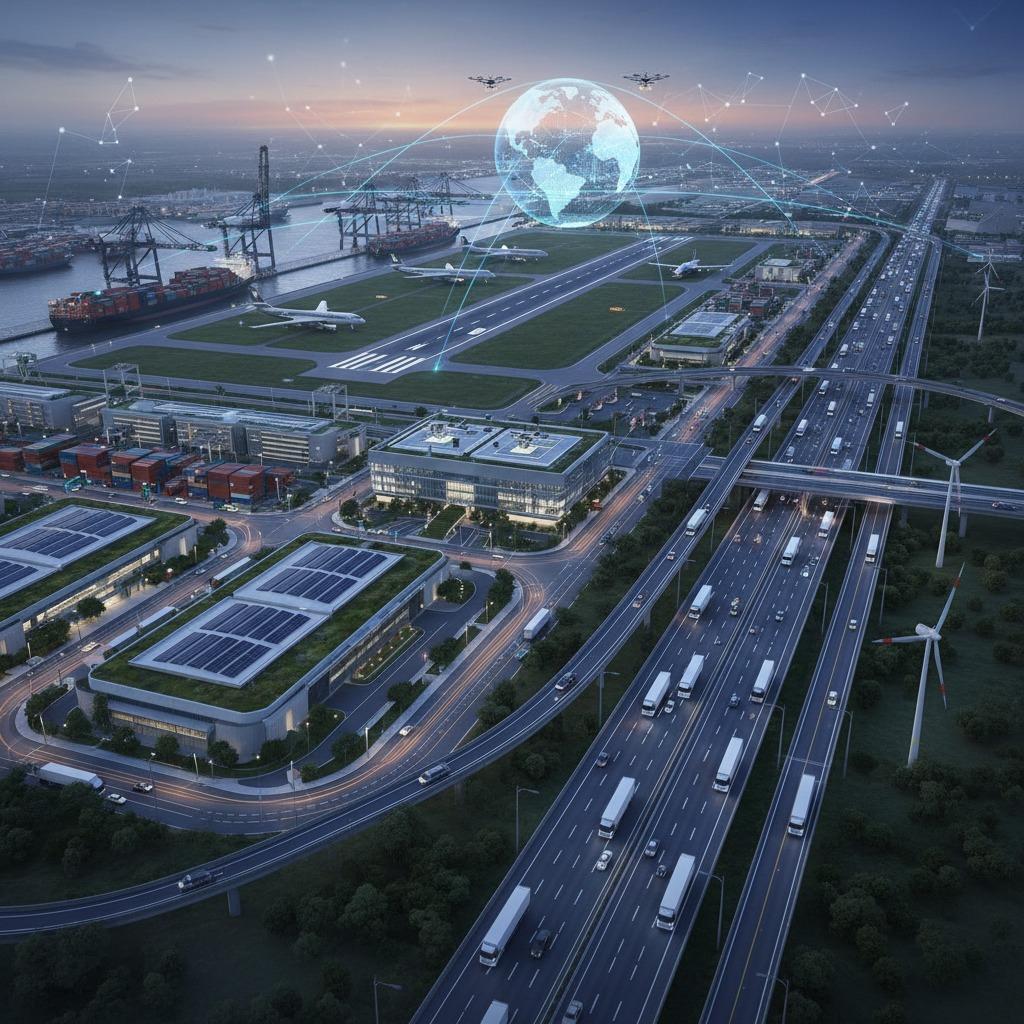
The logistics industry is undergoing a profound transformation, driven by cutting-edge innovations that promise to reshape global supply chains. At the forefront of this evolution is the Integrated Logistics Hub, a state-of-the-art facility that integrates smart technology and dynamic analytics to optimize workflows and reduce delays. As e-commerce surges and international trade expands, logistics has become the backbone of economic activity, with trends pointing toward greater efficiency, sustainability, and scalability. This hub exemplifies how modern logistics can seamlessly connect land, air, and sea transport, ensuring precision in inventory tracking and shipment management.
High-Tech Transportation: Drones, Autonomous Vehicles, and Beyond
One of the most exciting trends in logistics is the adoption of autonomous and automated transportation solutions. High-tech delivery drones, powered by green energy and real-time navigation systems, are revolutionizing last-mile delivery, cutting down on urban congestion and emissions. Similarly, autonomous trucks are gaining traction on highways, minimizing human error and enabling consistent, secure transit over long distances. High-speed trains integrated directly with logistics hubs facilitate rapid, eco-friendly movement of goods across continents, while cargo airliners and freight ships extend this network to global scales. These advancements highlight a shift toward multimodal logistics, where data-driven decisions streamline operations and adapt to fluctuating demands. The result is a more resilient supply chain that can handle everything from small parcels to massive industrial shipments with unparalleled speed.
Sustainable Practices Shaping the Future of Logistics
Sustainability is no longer an afterthought in logistics; it's a core driver of industry trends. Facilities like the Integrated Logistics Hub feature solar panels and renewable energy sources to power operations, reducing the carbon footprint of global trade. Smart port solutions are equally pivotal, employing automated cranes with AI-driven precision for container handling, IoT-powered tracking for real-time monitoring, and hybrid energy systems to lower emissions. These ports synchronize ships, trucks, and trains through advanced connectivity, optimizing routes and predicting maintenance needs to avoid disruptions. Moreover, next-generation cargo ships with streamlined designs and efficient stacking systems maximize capacity while minimizing fuel use, even in adverse conditions. This eco-conscious approach aligns with global regulations and consumer demands for greener practices, positioning logistics as a leader in environmental stewardship.
The Role of Innovation in Scalable Logistics Networks
Scalability defines the next wave of logistics trends, enabling businesses to respond dynamically to market needs. The Integrated Logistics Hub's architecture, with direct links to highways and transport routes, supports massive volumes without bottlenecks. Smart port solutions enhance this by integrating vessel schedules with ground operations, providing accurate ETAs and cost savings. As seen in busy ports with towering cranes and fleets of vessels, these systems create a digital web that analyzes peak times and scales effortlessly for both local and international trade. The cargo ship's synergy with port automation further accelerates turnaround, empowering economic vitality worldwide. Looking ahead, the fusion of AI, IoT, and sustainable tech in logistics will foster interconnected ecosystems, driving efficiency and innovation. Companies embracing these trends will not only thrive but redefine global commerce, ensuring logistics remains agile in an ever-changing world.
Why These Trends Matter for Businesses and the Global Economy
As logistics evolves, its impact ripples across industries, from retail to manufacturing. The emphasis on technology-driven hubs and ports reduces supply chain vulnerabilities, such as delays from weather or geopolitical issues. By prioritizing sustainability, the sector addresses climate challenges while opening doors to new markets through eco-friendly certifications. For businesses, investing in these trends means lower operational costs, faster delivery times, and enhanced customer satisfaction. Ultimately, the logistics revolution promises a future where global trade is more inclusive, efficient, and responsible, setting the stage for unprecedented growth.





