
Comparing Traditional Logistics with Advanced Fleet Solutions
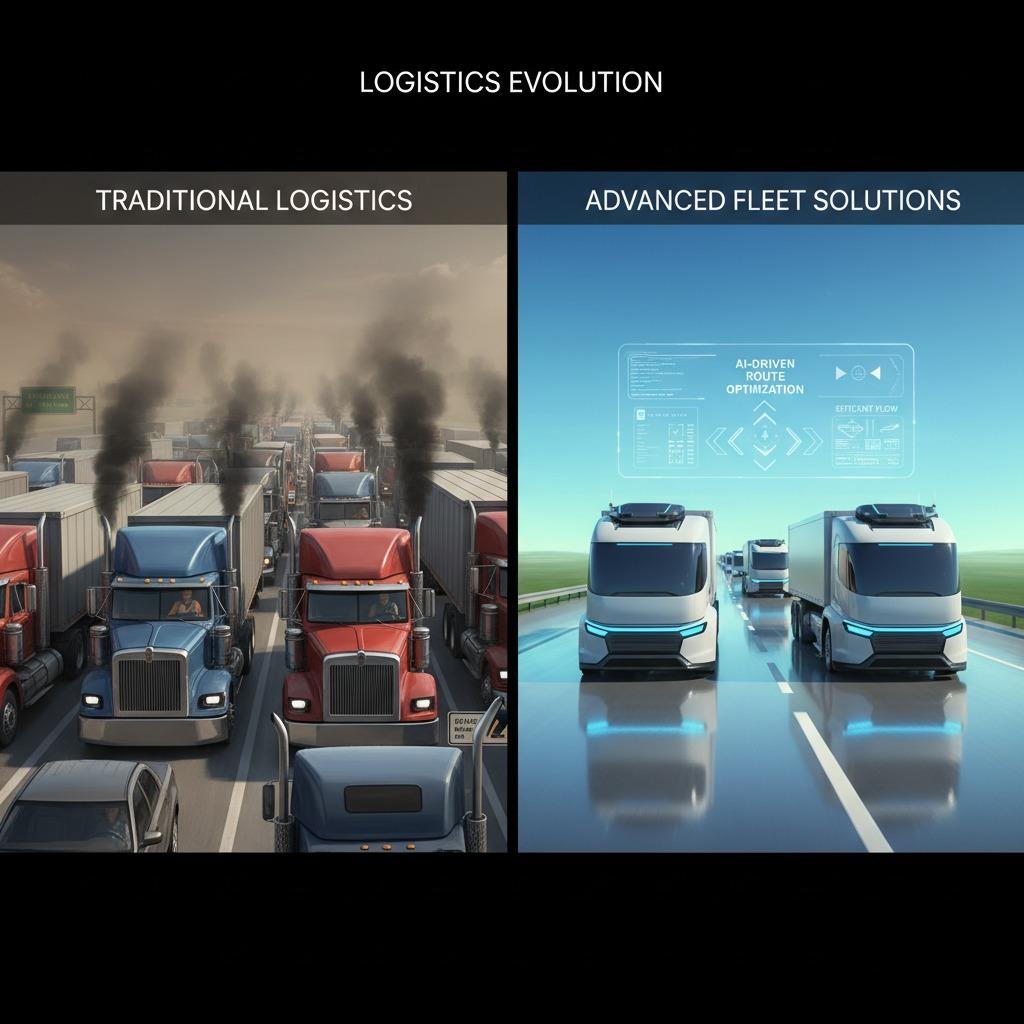
In the world of logistics, efficiency and reliability are paramount, especially when transporting heavy cargo across vast distances. Traditional logistics methods, often reliant on manual routing and standard diesel trucks, have long dominated the industry but come with significant drawbacks in terms of time, cost, and environmental impact. In contrast, our Advanced Fleet of Smart Transport Trucks represents a revolutionary shift, integrating AI-driven navigation to optimize routes based on real-time data. This comparison highlights how modern logistics can outperform outdated systems by reducing delays and fuel usage, making it an essential upgrade for businesses seeking seamless freight transportation.
Traditional vs. Tech-Integrated Logistics Infrastructure
Logistics has evolved from fragmented systems to interconnected hubs that blend multiple transportation modes. Conventional logistics infrastructure typically involves separate silos for road, sea, and air transport, leading to inefficiencies like prolonged handoffs and higher error rates. On the other hand, our cutting-edge ecosystem unifies these elements through intelligent traffic management and modular cargo containers, as seen in the COSCO and CAPITAL-branded designs. While traditional setups struggle with urban congestion and unpredictable weather, this tech-first approach uses sensors and automation to ensure on-time deliveries, contrasting sharply with the reactive nature of legacy systems and promoting a more sustainable global supply chain.
Maritime Logistics: Old-School Ports Versus Modern Innovations
When examining maritime aspects of logistics, the differences between conventional port operations and our state-of-the-art solutions become evident. Traditional ports rely on manual crane operations and basic container handling, often resulting in bottlenecks and increased labor costs during peak seasons. In comparison, our latest generation of cargo ships paired with automated gantry cranes facilitates rapid loading and unloading, minimizing turnaround times and enhancing cargo security with GPS tracking. This innovative maritime logistics setup not only boosts productivity but also incorporates fuel-efficient engines and electric-powered systems, offering a greener alternative to the emission-heavy practices of older vessels and docks.
The Future of Logistics: Autonomy and Sustainability in Focus
Looking ahead, the contrast between emerging autonomous logistics and traditional human-dependent models underscores a transformative potential. Standard logistics often faces challenges like driver fatigue and inconsistent performance over long hauls, whereas our semi-autonomous trucks and drone-integrated hubs employ advanced algorithms and clean energy sources to achieve zero-emission operations. For instance, while traditional systems overlook predictive maintenance, our digital optimization tools use augmented reality for real-time analytics, preventing disruptions and ensuring resilience. This comparison reveals how investing in such logistics innovations can redefine global trade, balancing speed with environmental responsibility and setting a new standard for efficiency in freight transportation.
By weighing these elements, it's clear that advancing from traditional logistics frameworks to our integrated, tech-savvy solutions not only streamlines operations but also aligns with the demands of a sustainable future. Businesses adopting these changes will experience unparalleled reliability and cost savings, positioning themselves at the forefront of the logistics revolution.





