
Revolutionizing Logistics: The Future of Efficient Supply Chains
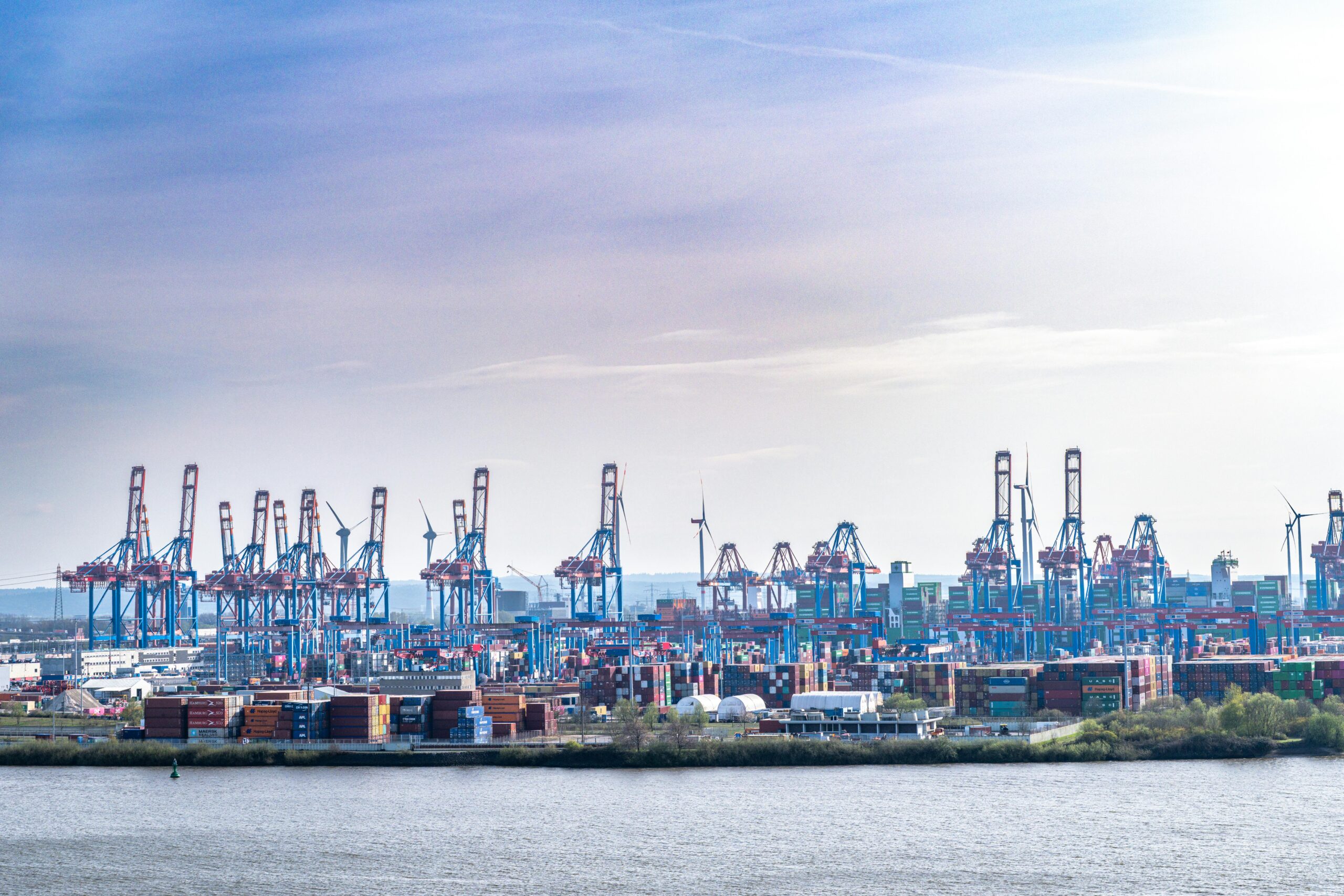
In the fast-paced world of logistics, businesses are constantly seeking ways to streamline operations and enhance efficiency. Logistics forms the backbone of global trade, ensuring that goods move seamlessly from manufacturers to consumers. With the introduction of innovative solutions like automated port systems, the industry is witnessing a transformative shift that addresses longstanding challenges in transportation logistics and overall logistics service delivery.
Understanding the Core of Logistics
Logistics encompasses the planning, implementation, and control of the efficient flow and storage of goods, services, and related information from origin to consumption. At its heart, effective logistics relies on coordinated efforts to minimize costs while maximizing speed and reliability. In today's interconnected economy, logistics is more critical than ever, with global trade volumes reaching trillions of dollars annually. According to industry reports, disruptions in logistics can lead to significant economic losses, underscoring the need for robust systems. Transportation logistics, a key subset, focuses on the movement of goods via various modes such as sea, air, road, and rail, each presenting unique hurdles like congestion, weather dependencies, and regulatory compliance.
Advancements in Transportation Logistics
Transportation logistics has evolved dramatically with technological integrations that promise to overhaul traditional methods. Consider the role of automated port systems in maritime operations, which exemplify cutting-edge innovations in this domain. These systems incorporate advanced automation through AI-powered cranes and robotics, drastically reducing manual labor and enhancing safety. For instance, intelligent cranes can accurately route containers to their destinations, cutting down loading times by up to 50% in high-volume scenarios. Smart tracking technology, powered by IoT, provides real-time monitoring of container positions, contents, and delivery timelines, virtually eliminating mismanagement and delays. This level of precision in transportation logistics not only boosts operational efficiency but also offers unparalleled visibility to stakeholders, allowing for proactive decision-making. Moreover, with global shipping routes handling over 90% of world trade by volume, such advancements are indispensable for maintaining competitive edges in international markets.
Enhancing Logistics Service with Sustainability
A superior logistics service goes beyond mere efficiency; it integrates sustainability to meet modern environmental standards. Automated port systems stand out here by prioritizing eco-friendly practices, such as operating on renewable energy sources like wind turbines, which reduce carbon emissions significantly. Energy-efficient machinery further aligns these solutions with global green initiatives, helping ports achieve sustainability goals without compromising on performance. High-capacity designs accommodate massive container stacks, facilitating smooth imports, exports, and cargo transitions even amid congestion. This scalability ensures that whether serving regional ports or global trade hubs, the system adapts to varying demands, supporting business growth. For freight companies, governments modernizing infrastructure, and enterprises focused on reducing their environmental footprint, these features translate to cost savings and regulatory compliance. In essence, logistics service enhanced by such technologies not only streamlines processes but also contributes to a greener planet.
The Impact on Global Trade and Future Outlook
The broader implications of these logistics innovations are profound, reshaping global supply chains and fostering economic growth. By minimizing bottlenecks, automated systems in transportation logistics enable faster turnaround times, which can reduce overall supply chain costs by 20-30%, as per recent studies. Logistics service providers adopting these tools gain a strategic advantage, attracting clients who prioritize reliability and sustainability. Looking ahead, the integration of AI and IoT will likely expand to other logistics facets, such as predictive analytics for demand forecasting and blockchain for secure documentation. As industries navigate post-pandemic recovery and geopolitical shifts, investing in advanced logistics solutions will be key to resilience. Ultimately, the evolution of logistics promises a more connected, efficient, and sustainable world, where goods flow effortlessly across borders, driving prosperity for all stakeholders involved.





