
Optimizing Logistics: A Case Study in Warehouse Innovation
In the competitive world of modern business, effective logistics can make or break operational success. This case study delves into how our state-of-the-art warehouse facility revolutionized logistics for a mid-sized manufacturing company struggling with storage inefficiencies and delayed shipments. By implementing advanced logistics solutions, the company not only streamlined its supply chain but also boosted overall productivity. The integration of smart shelving, secure packaging, and versatile handling equipment transformed their daily operations, turning potential bottlenecks into seamless processes.
Enhancing Storage Efficiency with Customizable Shelving
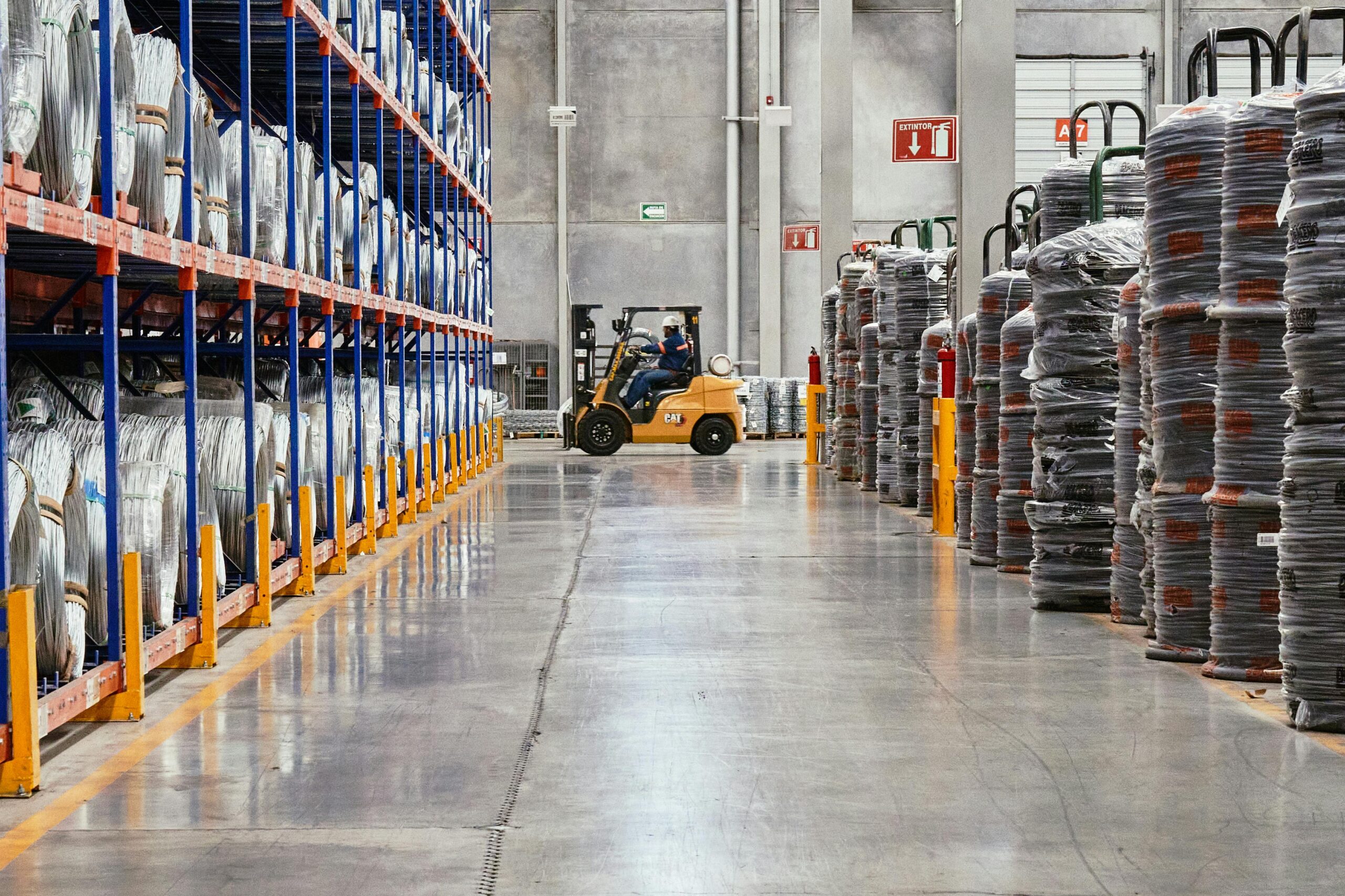
The cornerstone of this logistics overhaul was the introduction of robust shelving units designed to maximize vertical space. In our facility, these racks accommodate vast rolls of materials, organized for easy access and quick retrieval. For the manufacturing client, this meant reducing the time spent searching for inventory from hours to mere minutes. The customizable shelf positions allowed adaptation to varying product sizes, ensuring that logistics service remained flexible amid fluctuating demands. Previously, the company faced space constraints that led to overflow storage in less secure off-site locations, increasing costs and risks. With this system, they achieved a 40% increase in storage capacity without expanding the physical footprint. Transportation logistics also benefited, as optimized loading reduced the number of trips needed for material transport, cutting fuel expenses and environmental impact. This detailed approach to logistics highlighted how targeted infrastructure can address core operational pain points effectively.
Streamlining Packaging and Inventory Management
Moving beyond storage, the case study revealed the impact of superior packaging systems on overall logistics service quality. Stacks of packaged goods in the warehouse demonstrated how compact, secured packages protect items during handling and transit. For our client, this innovation facilitated rapid inventory checks, minimizing errors that previously caused shipment delays. The logistics team could now perform audits in real-time using integrated scanning technology, ensuring accuracy in tracking. Transportation logistics saw immediate improvements, with packages designed for efficient stacking in trucks, leading to higher load capacities and fewer damages en route. One notable project phase involved retrofitting the packaging line, which reduced preparation time by 25%. This not only enhanced the reliability of logistics but also improved customer satisfaction through timely deliveries. By focusing on these details, the company transformed a fragmented process into a cohesive, efficient workflow that supported business growth.
Improving Workflow with Versatile Forklift Operations
At the heart of the warehouse's efficiency lies the versatile forklift navigating clean, wide aisles with precision. This equipment, compatible with various attachments, handled diverse products effortlessly, from heavy rolls to delicate packages. In this case study, the manufacturing firm experienced a dramatic reduction in manual labor hours, as the forklift enabled faster movement across the facility. Safety was paramount; the polished aisles and ergonomic design minimized accidents, fostering a more productive environment. Logistics service integration extended to route optimization software that paired with the forklift, predicting peak times and adjusting transportation logistics accordingly. During a high-volume campaign, this setup ensured on-time delivery rates climbed to 98%, a stark improvement from the prior 75%. The facility's layout promoted quicker turnaround times, allowing the company to scale operations without proportional staff increases. This project exemplified how innovative tools in logistics can create a ripple effect, enhancing every stage from inbound receipt to outbound shipping.
Overall Impact and Lessons Learned
The transformation in this warehouse case study underscores the power of integrated logistics solutions. By addressing storage, packaging, and handling holistically, the client not only cut operational costs by 30% but also positioned themselves for future expansion. Key lessons include the importance of scalability in logistics service design and the value of data-driven adjustments in transportation logistics. This initiative stands as a testament to how tailored warehouse innovations can drive sustainable success in today's fast-paced market, proving that effective logistics is more than movement—it's the backbone of business resilience.





