
Frequently Asked Questions About Logistics Solutions
In the fast-paced world of global trade, logistics stands as the backbone of efficient supply chains. Whether you're shipping goods across continents or managing inventory in a warehouse, understanding the fundamentals of logistics can transform your operations. This article addresses common queries about logistics, drawing on innovative solutions like modular containers, advanced air freight, and electric trucking to provide practical insights.
What Are Modular Container Systems and How Do They Enhance Logistics?
Modular container systems are versatile storage and transport units designed to optimize logistics in diverse settings. Available in vibrant colors such as bold reds for high-visibility stacking, serene blues for temperature-controlled goods, energetic oranges for quick-access items, and sophisticated greens for eco-friendly applications, these containers offer durability and functionality. They feature robust construction that allows secure stacking, making them ideal for urban environments, shipping docks, or industrial sites. Engineered to withstand harsh conditions, they ensure safe global transportation of goods. With multiple sizes for tailored configurations, these systems promote efficiency and sustainability, helping businesses reduce waste and streamline operations. Incorporating logistics best practices with such containers can cut costs by up to 30% in storage alone.
How Does the Global Cargo Airlines Superfreighter Revolutionize Air Logistics?
The Global Cargo Airlines superfreighter represents a leap forward in logistics through air transport. This innovative aircraft features an open-air cargo deck that enables rapid loading and unloading of standard shipping containers, drastically reducing turnaround times at hubs like Shanghai, Dubai, and Frankfurt. Its sleek, aerodynamic design boosts fuel efficiency while supporting high-speed performance, perfect for time-sensitive deliveries in the logistics sector. Advanced navigation systems integrate seamlessly with global supply chains, minimizing delays and ensuring on-schedule arrivals. For businesses reliant on just-in-time inventory, this superfreighter cuts transportation times by integrating technology that predicts and adapts to weather or traffic disruptions. Overall, it sets a new standard for reliable, efficient air freight logistics, connecting international markets with precision.
What Makes Electric Semi-Trucks a Game-Changer in Road-Based Logistics?
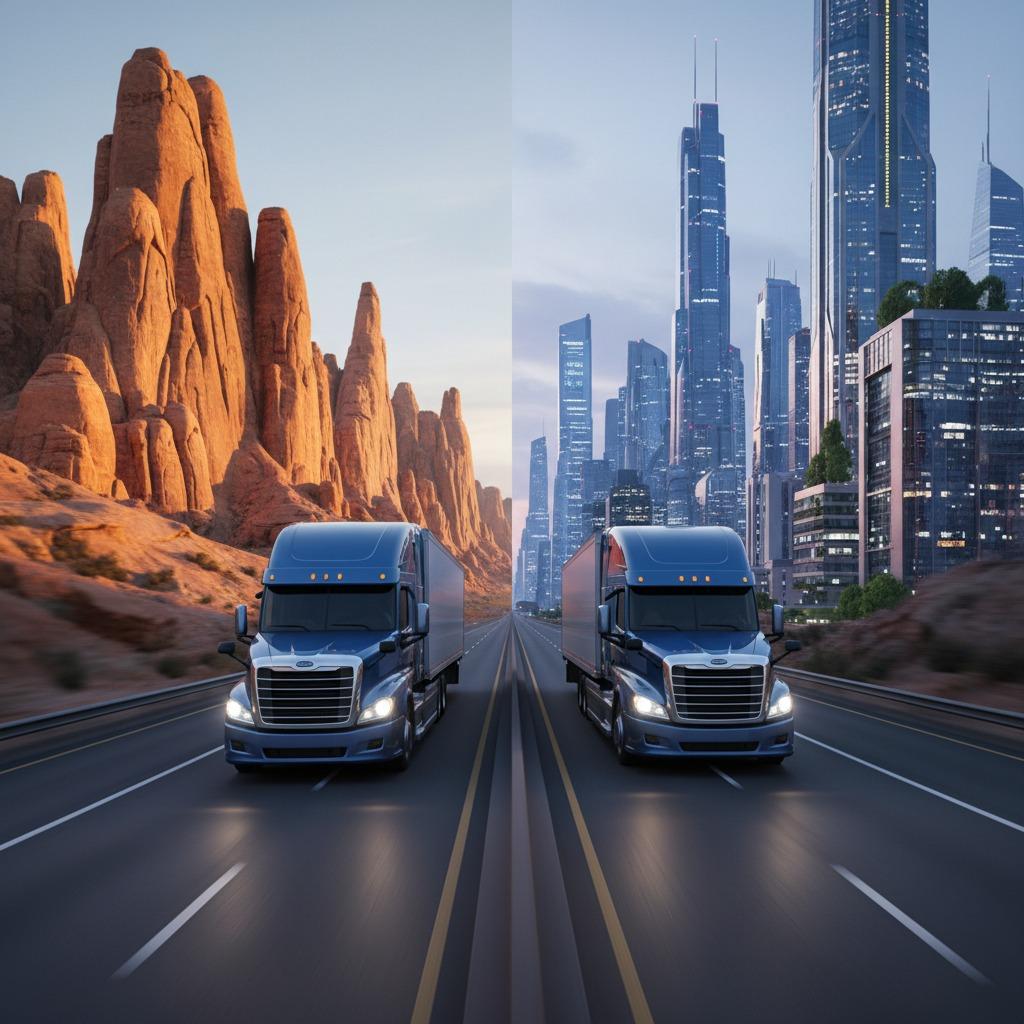
Electric semi-trucks are transforming logistics on the roads with their sustainable and high-performance capabilities. Featuring a deep blue exterior and contoured body for aerodynamic efficiency, these vehicles reduce drag and improve fuel— or rather, energy—savings. Equipped with cutting-edge LED lighting on headlights and cab tops, they enhance visibility and safety during long hauls. The bold grille optimizes airflow, while the driver-centric cabin includes ergonomics, real-time telematics, and adaptive cruise control for an intuitive experience. In logistics, these trucks lower emissions and operational costs, navigating highways or urban areas with power and elegance. Companies adopting them report up to 50% reductions in maintenance expenses compared to diesel models, aligning with green initiatives without compromising on payload capacity or range.
How Can Businesses Integrate These Logistics Innovations for Maximum Efficiency?
Integrating modular containers with superfreighters and electric trucks creates a cohesive logistics ecosystem. Start by assessing your supply chain needs—use containers for ground and sea prep, then transition to air via superfreighters for urgency, and electric trucks for final delivery. This multimodal approach minimizes bottlenecks and maximizes speed. For instance, vibrant modular units can be loaded onto the superfreighter's deck in minutes, then transferred to electric semis for eco-friendly last-mile logistics. Key to success is leveraging data from telematics and navigation systems to forecast demands and optimize routes. Businesses focusing on logistics integration often see improved customer satisfaction through reliable, timely deliveries. Additionally, these solutions emphasize sustainability, appealing to environmentally conscious markets and ensuring compliance with global standards.
What Are the Common Challenges in Modern Logistics and How to Overcome Them?
Modern logistics faces challenges like supply chain disruptions, rising costs, and environmental regulations. Delays from port congestions or weather can be mitigated by diversified routes using air and road options like superfreighters and electric trucks. Cost pressures are eased through efficient designs in modular systems that reduce space waste. Regulatory hurdles, especially emissions, are addressed by electric vehicles that cut carbon footprints. To overcome these, invest in technology for real-time tracking and predictive analytics. Training staff on these innovations ensures smooth adoption. Ultimately, proactive logistics planning with versatile tools leads to resilient operations capable of adapting to global shifts.





