
Traditional Logistics vs. Modern Smart Freight Systems: A Comparative Analysis
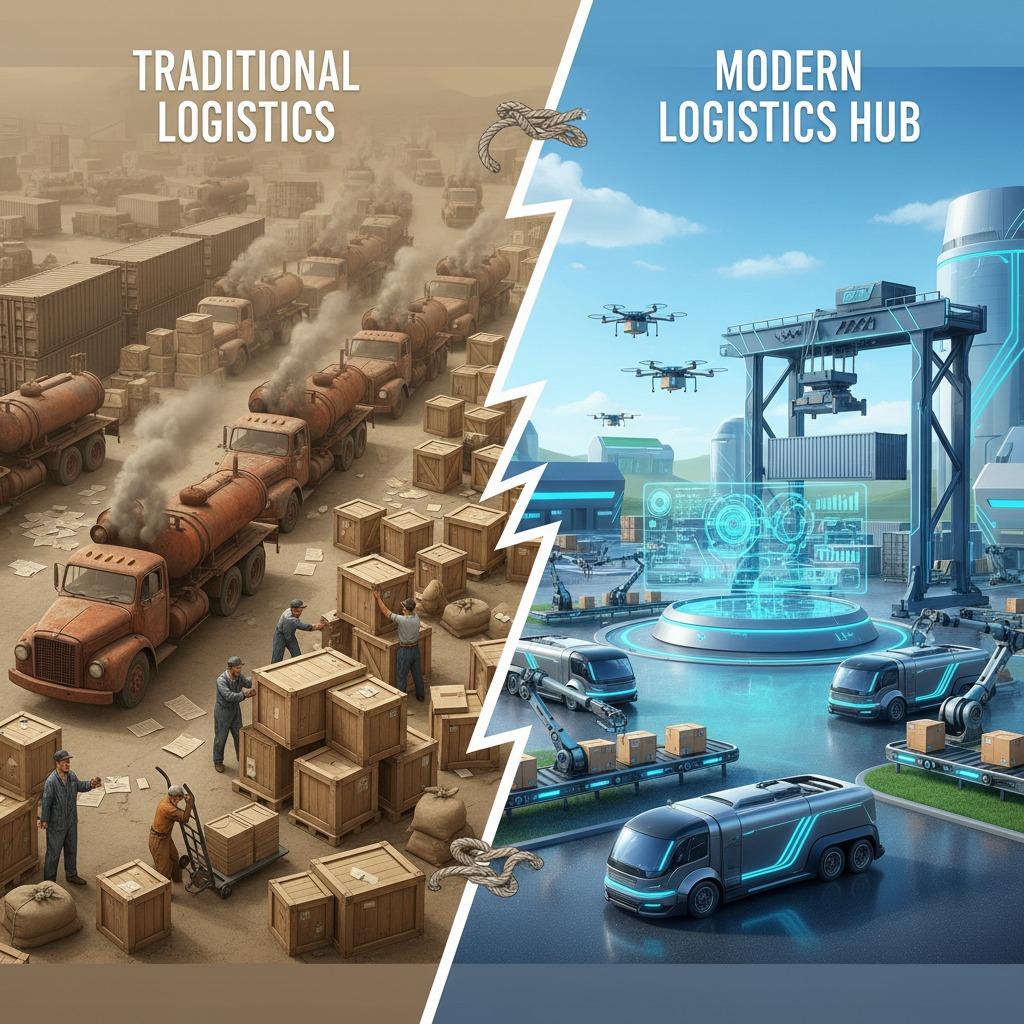
In the world of logistics, efficiency and innovation are paramount, especially as businesses strive to meet the demands of a globalized economy. Traditional logistics often relies on manual processes and basic transportation methods, while modern solutions like the Smart Freight Logistics System introduce cutting-edge technology to revolutionize operations. This comparison highlights how logistics has evolved, contrasting outdated practices with advanced systems to showcase the benefits of innovation in trucking and transportation.
Capacity and Versatility: Old-School Trucks Meet New Standards
Traditional logistics trucks, with their standard cargo holds, have long served industries but often struggle with varying payloads, leading to inefficiencies in fuel use and space optimization. In contrast, the Smart Freight Logistics System equips heavy-duty container trucks with enhanced cargo capacity, allowing them to handle standardized shipping containers for diverse goods without sacrificing fuel efficiency. These vehicles, designed for seamless intercontinental freight, can carry high payloads over long distances, reducing the number of trips needed compared to older models. While conventional trucks might require frequent stops for reloading, the smart system's aerodynamic redesign minimizes drag, saving up to 20% on fuel during highway travel. This not only boosts profitability but also supports eco-friendly logistics by lowering emissions, a clear upgrade from the high-consumption nature of traditional setups.
Moreover, the versatility of these modern trucks integrates with broader logistics networks, making them ideal for manufacturing, retail, and e-commerce sectors where timely delivery is crucial. Traditional methods, reliant on manual planning, often face delays due to unpredictable variables, whereas the smart system's connected intelligence provides real-time GPS tracking and predictive maintenance, ensuring smoother operations.
Safety and Technology: From Reactive to Proactive Approaches
Safety in traditional logistics has typically depended on driver experience and basic vehicle features, resulting in higher risks on long-haul routes. The Smart Freight Logistics System flips this script with state-of-the-art collision avoidance technology, adaptive cruise control, and lane-keeping assist, drastically reducing accident rates. For instance, while older trucks might navigate solely on human judgment, these advanced vehicles use telematics for driver behavior analytics, alerting operators to potential fatigue or hazards in real-time. This proactive stance contrasts sharply with the reactive repairs common in traditional logistics, where breakdowns can halt entire supply chains.
Furthermore, the system's eco-friendly power options—ranging from hybrid to fully electric powertrains—address sustainability goals that traditional diesel engines overlook, contributing to a greener logistics landscape. Businesses adopting this technology report fewer safety incidents and lower operational costs, underscoring the superiority of modern systems over legacy ones.
Integrated Ecosystems: Multimodal Connectivity vs. Siloed Operations
Traditional logistics often operates in silos, with road, sea, and air transport disconnected, leading to bottlenecks and increased costs. The Smart Freight Logistics System embodies an integrated logistics and transportation ecosystem, blending AI-powered hubs, autonomous drones, and multimodal freight connectivity for unparalleled efficiency. Picture a bustling port with yellow gantry cranes swiftly loading containers onto transoceanic ships, seamlessly linking to high-speed trains and autonomous trucks—this is logistics redefined.
In comparison, conventional ports and hubs rely on manual sorting and scheduling, prone to errors and delays. The smart hub's holographic interfaces and IoT technologies optimize dispatch, while drones handle last-mile deliveries, bypassing road congestion that plagues traditional methods. Sustainable features like solar panels and electric vehicles further differentiate this ecosystem, minimizing environmental impact unlike the carbon-heavy traditional logistics. For global trade, this means faster, more precise shipments, from manufacturing exports to e-commerce fulfillment.
Overall, the shift from traditional to smart logistics isn't just an upgrade; it's a transformation that enhances speed, safety, and sustainability. Companies embracing systems like the Smart Freight Logistics System position themselves at the forefront of industrial transport, driving reliability and innovation in an ever-competitive market.





