
In the fast-paced world of global trade, effective logistics is the backbone of successful supply chain management. Whether you're a small business owner or a large enterprise, mastering logistics can mean the difference between timely deliveries and costly delays. This guide will walk you through the essentials of modern logistics, highlighting innovative solutions like the Global Logistics Smart Container Solution, the Containerized Freight Handling System, and the EcoNova Hyperfreight Vessel. By following these step-by-step instructions, you'll learn how to implement efficient logistics strategies that streamline operations and boost profitability.
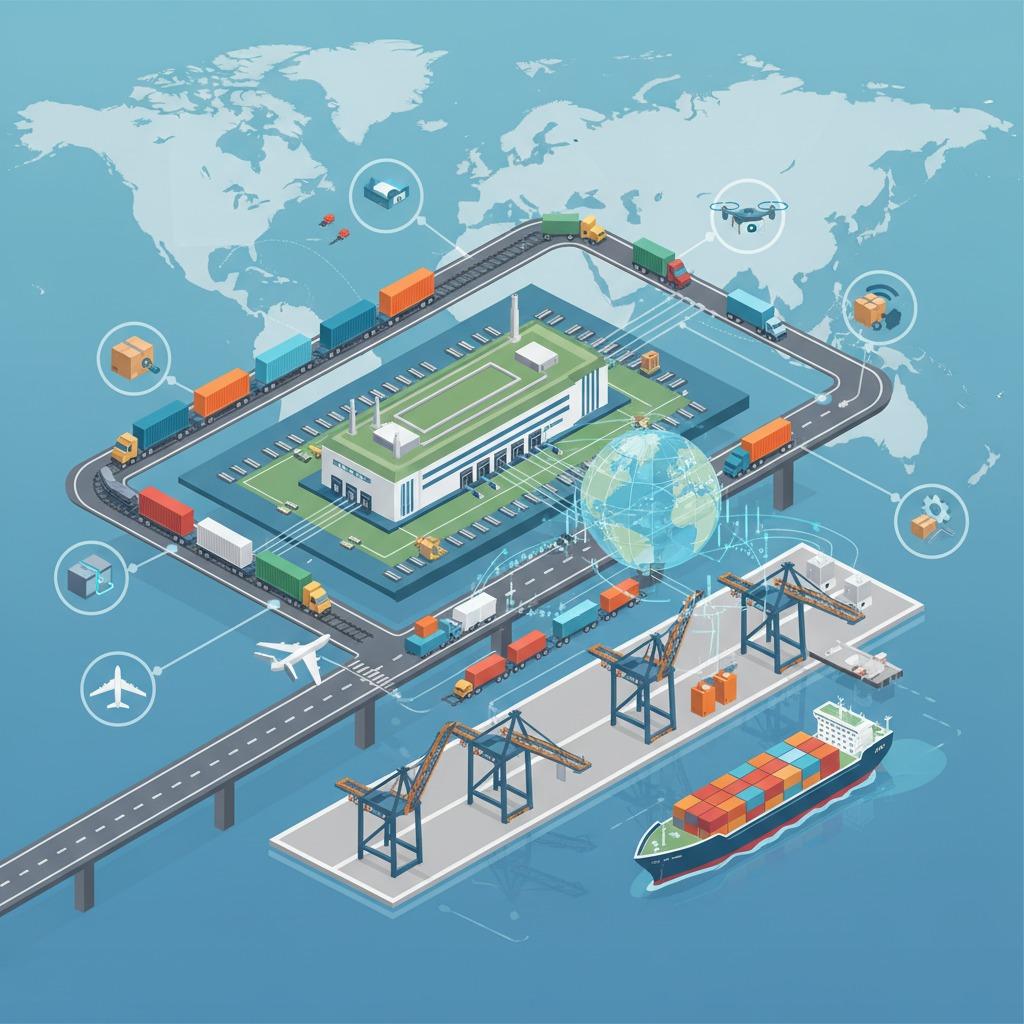
Logistics encompasses the planning, execution, and control of the movement and storage of goods, services, and information from origin to consumption. Start by assessing your current setup: map out your supply chain to identify bottlenecks, such as inefficient tracking or poor cargo organization. Next, integrate technology—consider adopting smart sensors for real-time monitoring, as seen in the Global Logistics Smart Container Solution. This product features integrated sensors that track temperature, humidity, and movement, ensuring the integrity of sensitive goods. To implement this, first evaluate your cargo types and select compatible containers. Install the sensors via the provided user-friendly app, which syncs for live updates and alerts. This step reduces risks and enhances security with tamper-proof locks, allowing you to focus on growth rather than mishaps.
Once fundamentals are in place, dive into freight handling to maximize efficiency. Begin with choosing the right system, like the Containerized Freight Handling System, designed for seamless integration with standard containers. Step one: prepare your warehouse by organizing palletized goods using wrap-protected pallets to prevent damage. Proceed to loading and unloading—utilize the system's advanced machinery for swift transfers, cutting turnaround times by up to 50%. Incorporate ergonomic operator tools, such as intuitive checklists for compliance, ensuring safety with high-visibility gear and reinforced structures. For space utilization, arrange containers in an optimized layout, as visualized in professional port setups. This not only minimizes wasted space but also promotes accessibility, making your operations smoother and more cost-effective. Regularly audit these processes to refine workflows and adapt to high-demand scenarios.
For international shipments, maritime logistics demands innovation and sustainability. Introduce the EcoNova Hyperfreight Vessel into your strategy for cutting-edge transport. First, plan your routes considering the vessel's hybrid turbine propulsion, which combines clean energy for reduced drag and fuel efficiency on long hauls. Equip your operations with its autonomous drone support for cargo inspection and surveillance—deploy drones via the onboard AI to handle time-sensitive tasks. Next, manage containers on the modular deck: load goods in an adjustable layout for quick operations, monitored through the smart command dome's telemetry data. Emphasize eco-friendly aspects by leveraging solar-assisted systems and the green emblem branding to align with sustainable standards. This step ensures compliance with global regulations while minimizing environmental impact. Finally, integrate with cloud-based networks for real-time scheduling, enabling predictive adjustments that keep your logistics agile and forward-thinking.
To tie it all together, develop a comprehensive implementation plan. Start by training your team on these tools—the mobile apps and AI interfaces are intuitive, but hands-on sessions build confidence. Monitor key metrics like delivery times and error rates, using data from smart systems to iterate improvements. Scale by expanding to applications like disaster relief or retail commerce, where versatility shines. With robust security and efficient organization, your logistics will not only meet but exceed expectations, revolutionizing your supply chain. By following these steps, you'll harness the power of modern logistics to drive success in a competitive market.
Understanding the Fundamentals of Logistics
Logistics encompasses the planning, execution, and control of the movement and storage of goods, services, and information from origin to consumption. Start by assessing your current setup: map out your supply chain to identify bottlenecks, such as inefficient tracking or poor cargo organization. Next, integrate technology—consider adopting smart sensors for real-time monitoring, as seen in the Global Logistics Smart Container Solution. This product features integrated sensors that track temperature, humidity, and movement, ensuring the integrity of sensitive goods. To implement this, first evaluate your cargo types and select compatible containers. Install the sensors via the provided user-friendly app, which syncs for live updates and alerts. This step reduces risks and enhances security with tamper-proof locks, allowing you to focus on growth rather than mishaps.
Optimizing Freight Handling for Efficiency
Once fundamentals are in place, dive into freight handling to maximize efficiency. Begin with choosing the right system, like the Containerized Freight Handling System, designed for seamless integration with standard containers. Step one: prepare your warehouse by organizing palletized goods using wrap-protected pallets to prevent damage. Proceed to loading and unloading—utilize the system's advanced machinery for swift transfers, cutting turnaround times by up to 50%. Incorporate ergonomic operator tools, such as intuitive checklists for compliance, ensuring safety with high-visibility gear and reinforced structures. For space utilization, arrange containers in an optimized layout, as visualized in professional port setups. This not only minimizes wasted space but also promotes accessibility, making your operations smoother and more cost-effective. Regularly audit these processes to refine workflows and adapt to high-demand scenarios.
Embracing Sustainable Maritime Solutions
For international shipments, maritime logistics demands innovation and sustainability. Introduce the EcoNova Hyperfreight Vessel into your strategy for cutting-edge transport. First, plan your routes considering the vessel's hybrid turbine propulsion, which combines clean energy for reduced drag and fuel efficiency on long hauls. Equip your operations with its autonomous drone support for cargo inspection and surveillance—deploy drones via the onboard AI to handle time-sensitive tasks. Next, manage containers on the modular deck: load goods in an adjustable layout for quick operations, monitored through the smart command dome's telemetry data. Emphasize eco-friendly aspects by leveraging solar-assisted systems and the green emblem branding to align with sustainable standards. This step ensures compliance with global regulations while minimizing environmental impact. Finally, integrate with cloud-based networks for real-time scheduling, enabling predictive adjustments that keep your logistics agile and forward-thinking.
Implementing and Scaling Your Logistics Strategy
To tie it all together, develop a comprehensive implementation plan. Start by training your team on these tools—the mobile apps and AI interfaces are intuitive, but hands-on sessions build confidence. Monitor key metrics like delivery times and error rates, using data from smart systems to iterate improvements. Scale by expanding to applications like disaster relief or retail commerce, where versatility shines. With robust security and efficient organization, your logistics will not only meet but exceed expectations, revolutionizing your supply chain. By following these steps, you'll harness the power of modern logistics to drive success in a competitive market.





