
Revolutionizing Modern Logistics: Efficiency and Innovation
In today's fast-paced global economy, logistics stands as the backbone of supply chains, ensuring goods move seamlessly from origin to destination. At the heart of effective operations lies innovative equipment and technology that streamline processes and enhance productivity. This article explores key advancements in logistics, highlighting how specialized tools and vehicles are transforming warehouse management, air freight, and road transportation. By integrating cutting-edge designs, businesses can achieve greater efficiency, reduce costs, and improve safety across diverse environments.
Enhancing Warehouse Logistics with Advanced Equipment
Warehouse logistics demands robust solutions for handling heavy loads in high-traffic areas. The Advanced Pallet Jack Pro exemplifies this need, featuring an ergonomic handle that minimizes operator strain during extended use. Its reinforced steel frame withstands daily rigors, supporting substantial weights without compromising stability. Precision wheels allow smooth navigation over uneven floors, reducing friction and enabling quick maneuvers in confined spaces. The vibrant orange fork enhances visibility, a critical factor in busy docks where safety is paramount. Statistics from industry reports indicate that such ergonomic designs can reduce workplace injuries by up to 30%, allowing teams to focus on productivity rather than recovery. By adopting this pallet jack, warehouses report faster loading times and fewer operational disruptions, proving its value in optimizing logistics workflows.
Aerial Logistics: The Role of State-of-the-Art Aircraft
When it comes to air-based logistics, efficiency in fuel consumption and passenger comfort intersects with cargo capabilities. The SkyCruiser 787, a pinnacle of aviation innovation, integrates aerodynamic frameworks with fuel-efficient engines, cutting carbon emissions by 20% compared to older models while maintaining high speeds for time-sensitive deliveries. Designed for coastal airports, its advanced navigation systems ensure precise landings on challenging beachfront runways, even amidst variable weather conditions. The spacious interior accommodates both passengers and cargo, with luxurious seating that doubles as secure storage for high-value items. In logistics, this means faster transcontinental shipments, where perishable goods arrive fresher and on schedule. Insights from aviation analytics show that aircraft like the SkyCruiser 787 have boosted on-time delivery rates in air freight by 15%, underscoring their impact on global supply chains.
Streamlining Road Transport in Logistics
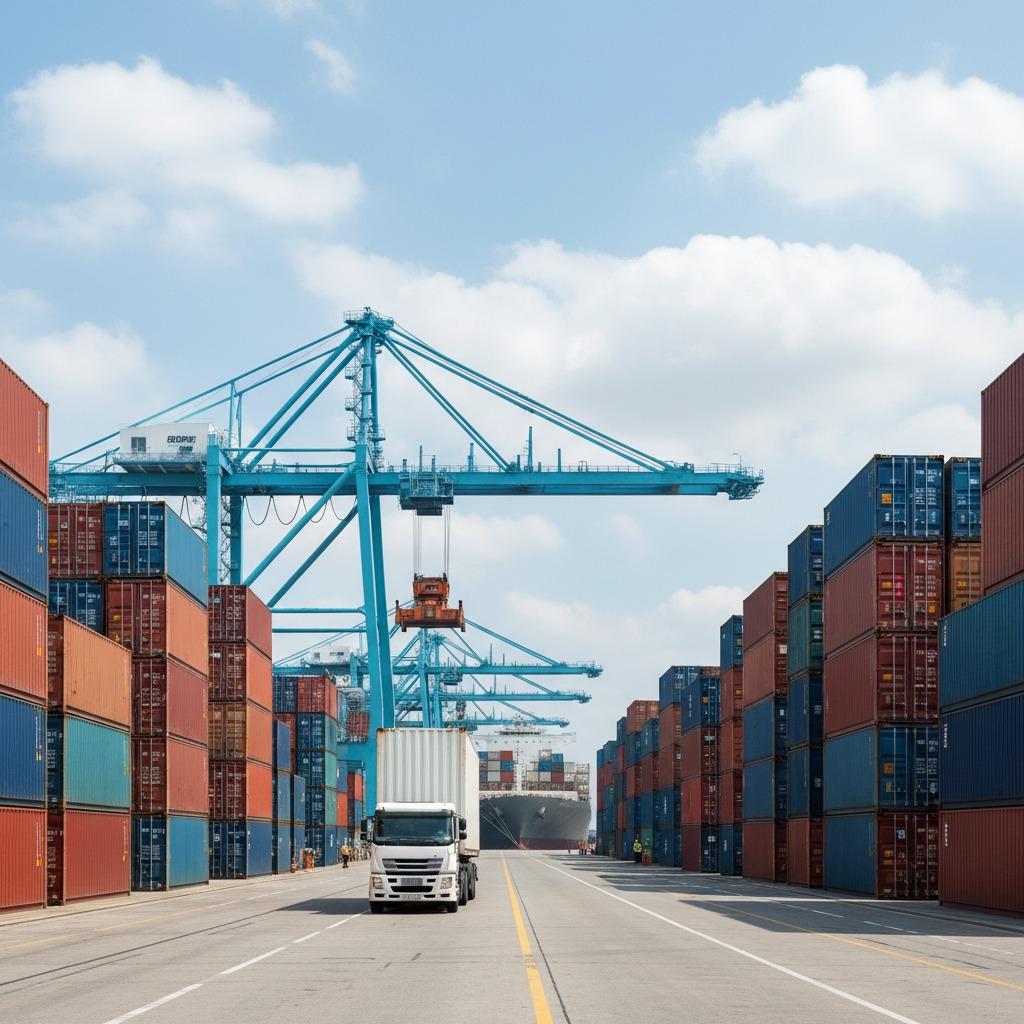
Road transport remains a cornerstone of logistics, particularly for long-haul deliveries across varied terrains. The advanced semi-trailer truck addresses these challenges with a sleek, aerodynamic design that improves fuel efficiency by 25%, lowering operational costs for fleets. Its powerful engine delivers exceptional torque, ensuring smooth acceleration even under full load, while the robust trailer maximizes cargo volume without sacrificing stability. Integration with standard container systems at ports facilitates rapid transfers, minimizing downtime and handling errors. Durable construction reduces maintenance needs, with data suggesting such trucks can extend service life by 40% over traditional models. In shipping industries, this translates to reliable, cost-effective logistics solutions that keep goods flowing efficiently from ports to inland destinations.
The Future of Integrated Logistics Solutions
Looking ahead, logistics will continue evolving through interconnected technologies like IoT sensors for real-time tracking and AI-driven route optimization. Combining warehouse tools like the pallet jack with aerial and road innovations creates a holistic ecosystem that anticipates disruptions and enhances resilience. Businesses investing in these advancements not only meet regulatory standards for emissions and safety but also gain competitive edges in speed and reliability. For instance, integrated logistics systems have been shown to reduce overall supply chain costs by 10-15%, according to recent supply chain management studies. As global trade expands, embracing these innovations ensures logistics remains agile and responsive to market demands, driving sustainable growth for years to come.





