
Understanding the Essentials of Logistics
Logistics forms the backbone of modern supply chains, ensuring that goods move efficiently from origin to destination. In the aviation and transportation sectors, logistics encompasses everything from ground handling at airports to highway freight delivery. This critical field integrates technology, equipment, and strategic planning to minimize delays and costs while maximizing reliability. For businesses relying on timely operations, mastering logistics can mean the difference between success and stagnation. As global trade expands, the demand for streamlined logistics solutions has never been higher, driving innovations that enhance performance across industries.
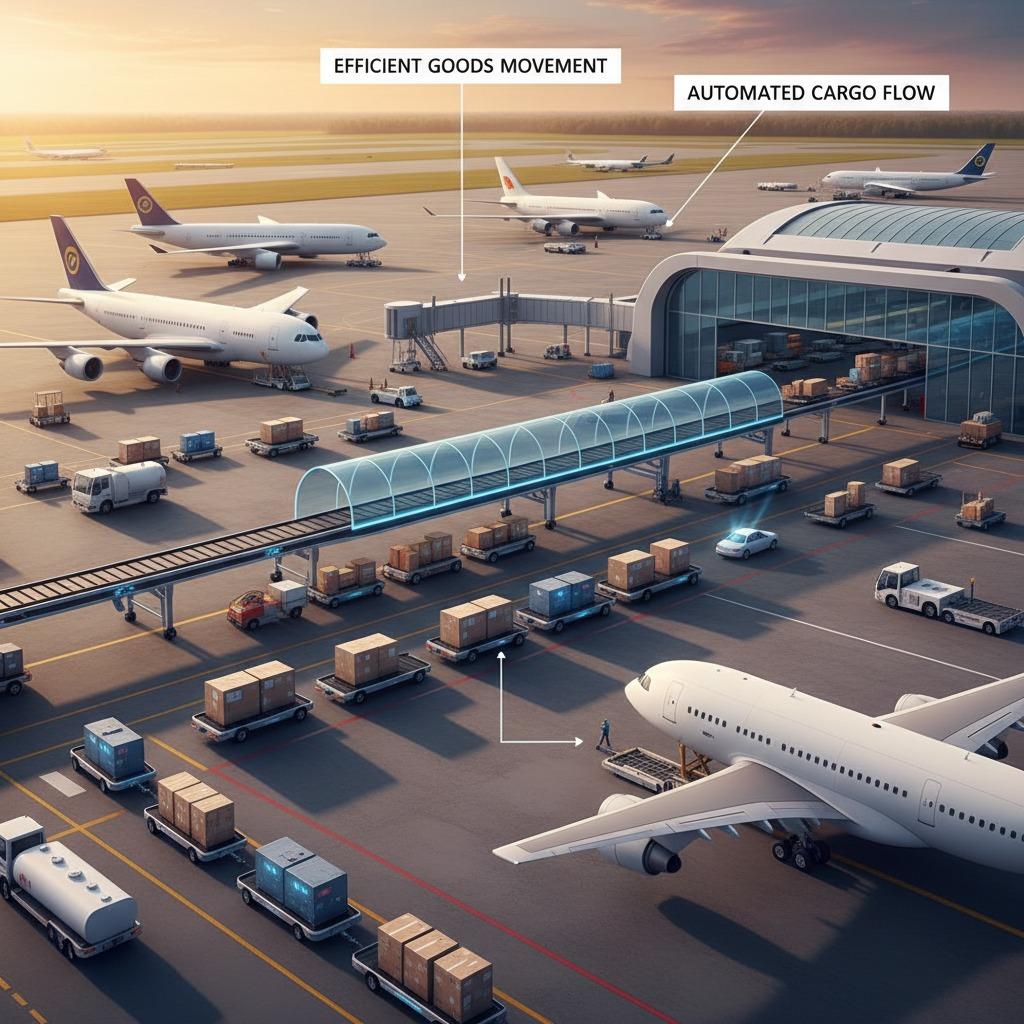
Advanced Logistics in Airport Operations
In airport ground operations, logistics takes on a specialized role, optimizing aircraft servicing and cargo handling. Cutting-edge equipment like robust baggage carts and conveyor systems facilitates quick cargo movement, handling high-volume traffic with precision and durability. Fuel tankers with advanced pumping technology ensure accurate, environmentally friendly fueling, reducing turnaround times for flights. Electric utility vehicles and loaders further exemplify the shift toward sustainability, operating quietly to maintain a serene airport environment while delivering impeccable reliability. These tools work in seamless coordination, showcasing how modern airports leverage logistics to become more efficient and eco-friendly. For instance, the integration of such equipment not only speeds up operations but also aligns with global emission standards, supporting greener aviation practices.
Innovative Aircraft Design and Logistics Integration
Logistics extends beyond ground operations into the very design of aircraft, where efficiency directly impacts overall supply chain dynamics. State-of-the-art passenger aircraft redefine aviation with aerodynamic features that minimize air resistance, promoting fuel-efficient flights and sustainable travel. Twin-engine configurations provide powerful thrust with reduced noise, ensuring reliable and smooth journeys that integrate effortlessly into logistical networks. Inside, these aircraft offer passenger-centric amenities like customizable climate control, spacious seating, and advanced in-flight technology, enhancing the travel experience while supporting logistics goals such as faster boarding and deplaning. This fusion of engineering and logistics not only improves operational flow but also sets new benchmarks for luxury and environmental responsibility in air travel, making every flight a testament to optimized processes.
Heavy-Duty Logistics on Road Networks
For ground-based logistics, robust container trucks represent a pinnacle of heavy-duty transportation, streamlining goods delivery across major road networks. These vehicles are engineered for secure cargo handling, with sturdy chassis designed to withstand demanding conditions while carrying standardized containers from providers like COSCO or CAPITAL. High-capacity engines enable long-haul efficiency with minimal fuel use, complemented by advanced suspension systems that protect goods from vibrations during transit. Safety features, including superior brake systems and reinforced bodies, ensure secure operations at high speeds on highways. Moreover, their eco-friendly designs meet stringent emission standards, making them ideal for logistics companies focused on sustainability. Whether for domestic or international routes, these trucks embody dependability and performance, elevating the standards of the shipping industry through innovative logistics solutions.
The Future of Logistics in Transportation
Looking ahead, logistics continues to evolve with technological advancements that promise even greater efficiency. From AI-driven route optimization to automated cargo systems, the field is poised for transformative changes that will further integrate air, road, and sea transport. Airports adopting these logistics enhancements can reduce operational costs by up to 20%, according to industry reports, while trucking firms benefit from predictive maintenance that prevents downtime. As sustainability becomes non-negotiable, logistics strategies emphasizing electric and low-emission vehicles will dominate, fostering a more resilient global supply chain. Businesses that invest in such logistics innovations today will secure a competitive edge tomorrow, ensuring seamless connectivity in an increasingly interconnected world.





