
Traditional Logistics vs. Smart Logistics: A Comparative Analysis
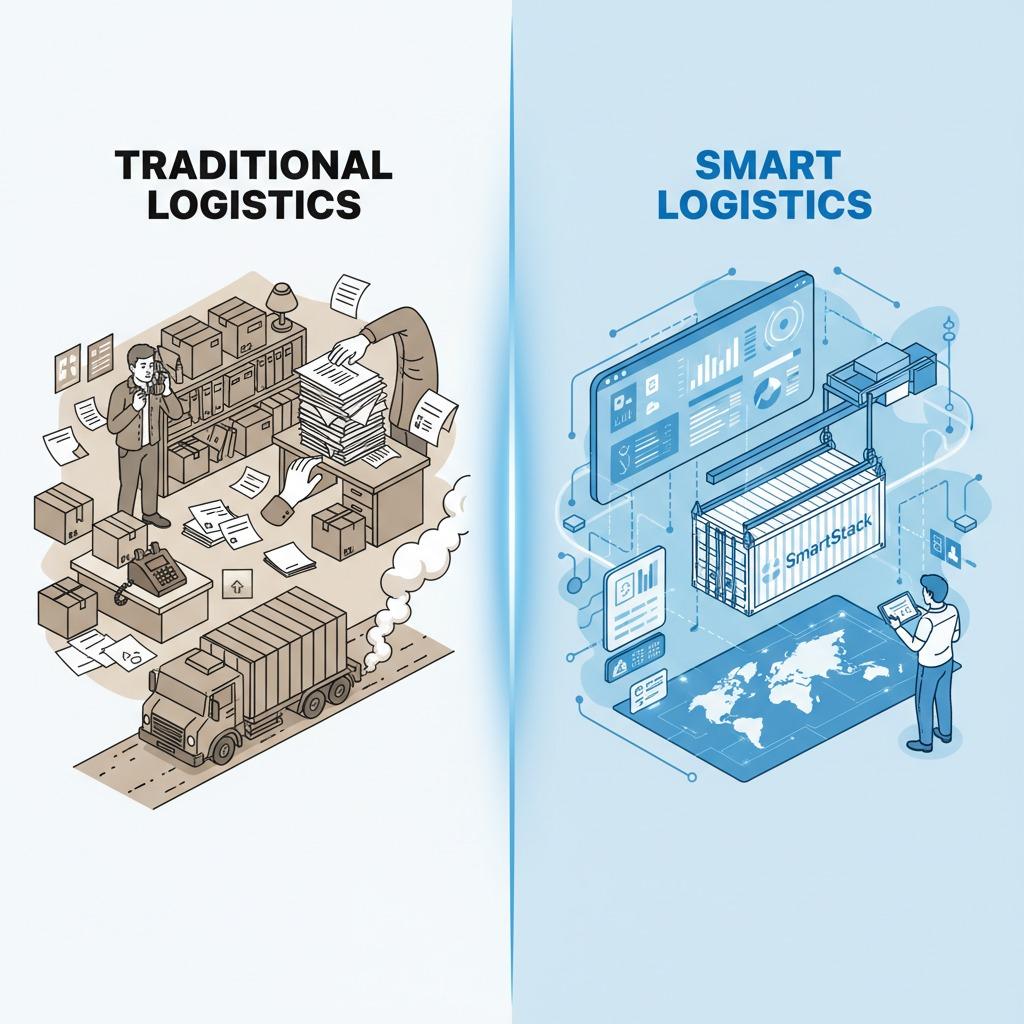
In the world of logistics, the main keyword that defines efficiency and global connectivity is logistics itself. Traditional logistics has long been the backbone of supply chains, relying on manual processes, paper-based tracking, and basic transportation methods. However, the advent of smart technologies is reshaping this landscape, introducing innovations like our SmartStack Shipping Containers and the Global Logistics Optimization System. This article compares and contrasts traditional logistics with modern smart logistics approaches, highlighting how advancements can transform operations for businesses worldwide.
Key Differences in Operational Efficiency
Traditional logistics often involves fragmented systems where coordination between air, sea, and land transport is manual and prone to delays. For instance, tracking shipments might depend on phone calls or emails, leading to inefficiencies and higher costs. In contrast, smart logistics leverages integrated platforms like our Global Logistics Optimization System, which uses AI-driven analytics for dynamic multimodal coordination. This system synchronizes real-time data from ports and carriers, reducing transfer times by up to 30% compared to traditional methods. While traditional setups excel in simplicity for small-scale operations, they falter in scalability; smart logistics, with features like IoT-enabled containers, offers precise inventory management that adapts to growing demands, making it ideal for international trade hubs.
Durability and Technological Integration
When examining container technology, traditional logistics uses standard steel containers that prioritize basic durability but lack advanced monitoring. These containers, while reliable for short hauls, often suffer from environmental wear without built-in protections, resulting in higher maintenance needs. Our SmartStack Shipping Containers, on the other hand, contrast sharply with ultra-high-strength, weather-resistant steel and integrated IoT tracking for real-time updates on location, temperature, and security. This modular design allows seamless stacking and customization in sizes from 10ft to 40ft, enhancing versatility over rigid traditional models. The eco-friendly aspects, such as recyclable materials and UV-resistant coatings, further differentiate smart options by lowering environmental impact, a feature absent in conventional logistics.
Sustainability and Cost Implications
Sustainability is another arena where traditional logistics shows limitations. Conventional methods contribute to higher carbon emissions through inefficient routing and fuel-heavy vessels without optimized designs. In comparison, modern logistics systems prioritize green innovations; our platform's algorithms identify eco-friendly routes, cutting emissions while maintaining speed. For maritime operations, our state-of-the-art container ship exemplifies this shift with aerodynamic contours for fuel efficiency and massive capacity for thousands of containers, outperforming older ships that rely on outdated navigation. Cost-wise, traditional logistics may seem cheaper upfront due to minimal tech investment, but long-term savings in smart logistics—from AI inventory predictions to reduced delays—make it more economical, especially for multinational supply chains.
Future-Proofing with Advanced Systems
Looking ahead, the contrast between traditional and smart logistics underscores a clear evolution. While traditional approaches provide a stable foundation, they struggle with the complexities of global trade, such as volatile port activities and supply disruptions. Smart logistics, powered by tools like our companion app for container management, bridges these gaps with scalable, future-ready solutions. Businesses adopting these innovations not only gain operational convenience but also position themselves as leaders in an increasingly connected world. Ultimately, the choice between clinging to outdated methods or embracing technological revolutions in logistics defines the path to efficiency and growth.





