
A Comprehensive Guide to Streamlining Your Logistics Operations
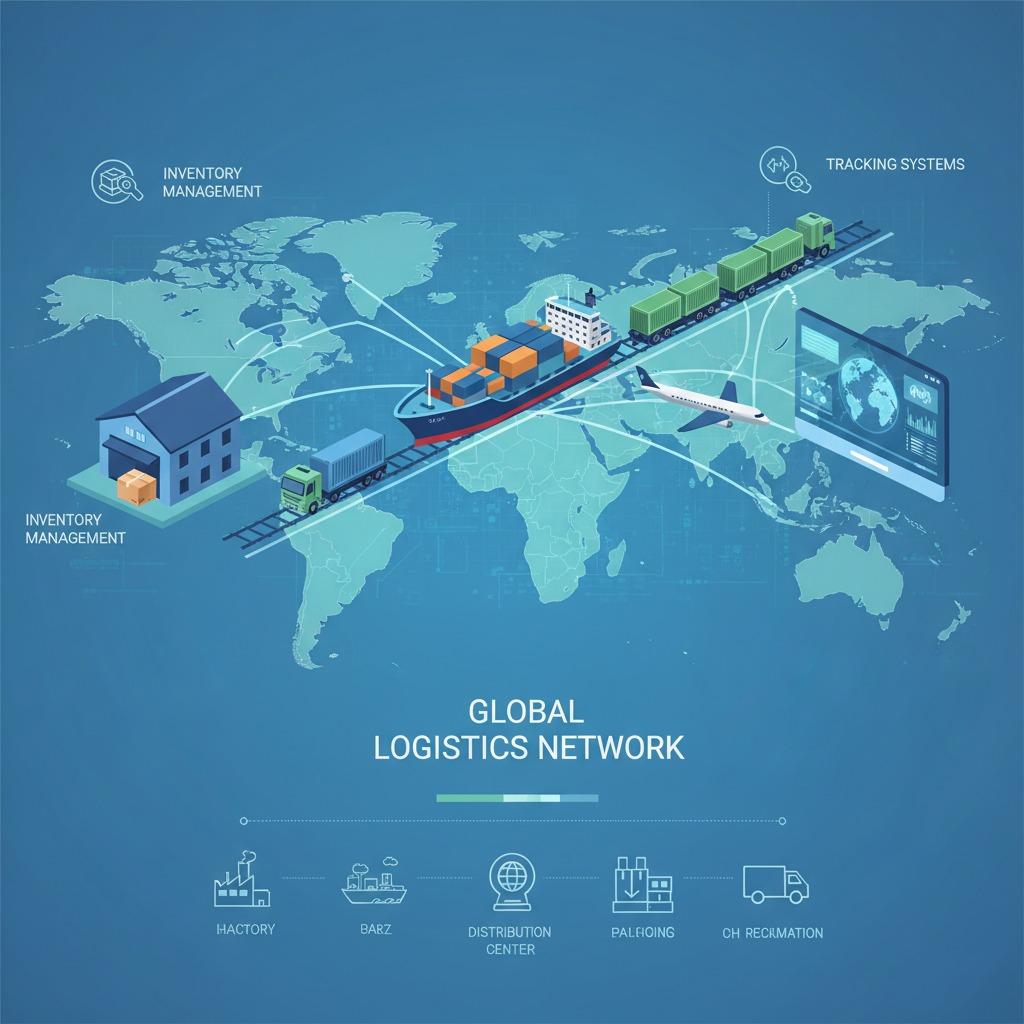
In the fast-paced world of global trade, effective logistics forms the backbone of successful supply chains. Whether you're managing bulk shipments across oceans or urgent deliveries via air, mastering logistics ensures efficiency, cost savings, and reliability. This guide will walk you through practical steps to optimize your logistics processes, drawing on innovative solutions like multimodal transportation systems that integrate maritime and air freight seamlessly.
Understanding the Fundamentals of Logistics
To get started with improving your logistics, begin by assessing your current setup. Identify key components such as inventory management, transportation modes, and tracking systems. For instance, evaluate how well your operations handle diverse cargo types, from heavy containers to perishable goods. A strong foundation in logistics involves mapping out your supply chain to pinpoint bottlenecks, such as delays in port handling or inefficient routing. Once assessed, set clear goals—like reducing transit times by 20%—and gather data on your shipment volumes and costs. This initial step lays the groundwork for more targeted improvements, ensuring your logistics strategy aligns with business objectives.
Implementing Multimodal Logistics Solutions
Next, integrate multimodal logistics to combine the strengths of different transport methods for optimal results. Start by selecting a reliable provider offering both maritime and air freight options. For maritime components, choose vessels equipped with dual onboard cranes and spacious cargo holds to efficiently load and unload containers, even in challenging ports. These ships, with their durable hulls and eco-friendly navigation systems, are ideal for bulk goods over long distances. To incorporate air freight, prioritize services that link directly with sea routes for time-sensitive items, ensuring quick handling of valuable or perishable cargo. Step-by-step, coordinate schedules using advanced tracking technology to create flexible delivery windows. Customize these solutions for your industry—retail might focus on volume, while pharmaceuticals emphasize climate control. By blending these modes, you'll achieve a reduced carbon footprint through optimized routes and fuel-efficient operations, enhancing overall logistics performance.
Incorporating Advanced Ground Transportation
Enhance your logistics network by adding robust ground transport like the CAMC Long-Haul Logistics Truck, designed for heavy cargo reliability. Begin by evaluating truck compatibility with standardized containers from major carriers. Choose models with high-performance engines and aerodynamic builds to maintain fuel efficiency on long hauls across urban roads or highways. Install state-of-the-art features such as integrated safety systems and ergonomic cabins to support driver comfort and cargo stability. In practice, plan routes that connect seamlessly with maritime docks or air hubs, using real-time tracking to monitor progress. For versatility, ensure the truck handles various terrains and oversized loads, making it suitable for container yards or freight hubs. This ground element completes a holistic logistics approach, bridging gaps between sea, air, and land for global reach.
Leveraging Technology and Best Practices
To sustain improvements in logistics, adopt cutting-edge technology and best practices. Implement software for real-time visibility, allowing you to track shipments from origin to destination. Train your team on eco-conscious practices, such as route optimization to minimize emissions. Regularly audit your processes to adapt to changing trade regulations or market demands. For example, use data analytics to forecast demand and adjust capacities accordingly. Partner with providers offering tailored solutions for industries like automotive or manufacturing, ensuring compliance and security. By following these steps—assessment, integration, ground enhancement, and tech adoption—you'll transform your logistics into a competitive advantage, driving efficiency and customer satisfaction without compromise.
Measuring Success and Scaling Up
Finally, measure the impact of your logistics optimizations through key performance indicators like delivery accuracy and cost per shipment. Conduct quarterly reviews to refine strategies, scaling successful elements across your operations. As your business grows, explore expansions like additional vessel charters or fleet upgrades. This ongoing guidance ensures logistics remains agile, supporting sustainable growth in a dynamic global market.





