
Current Trends Shaping the Logistics Industry
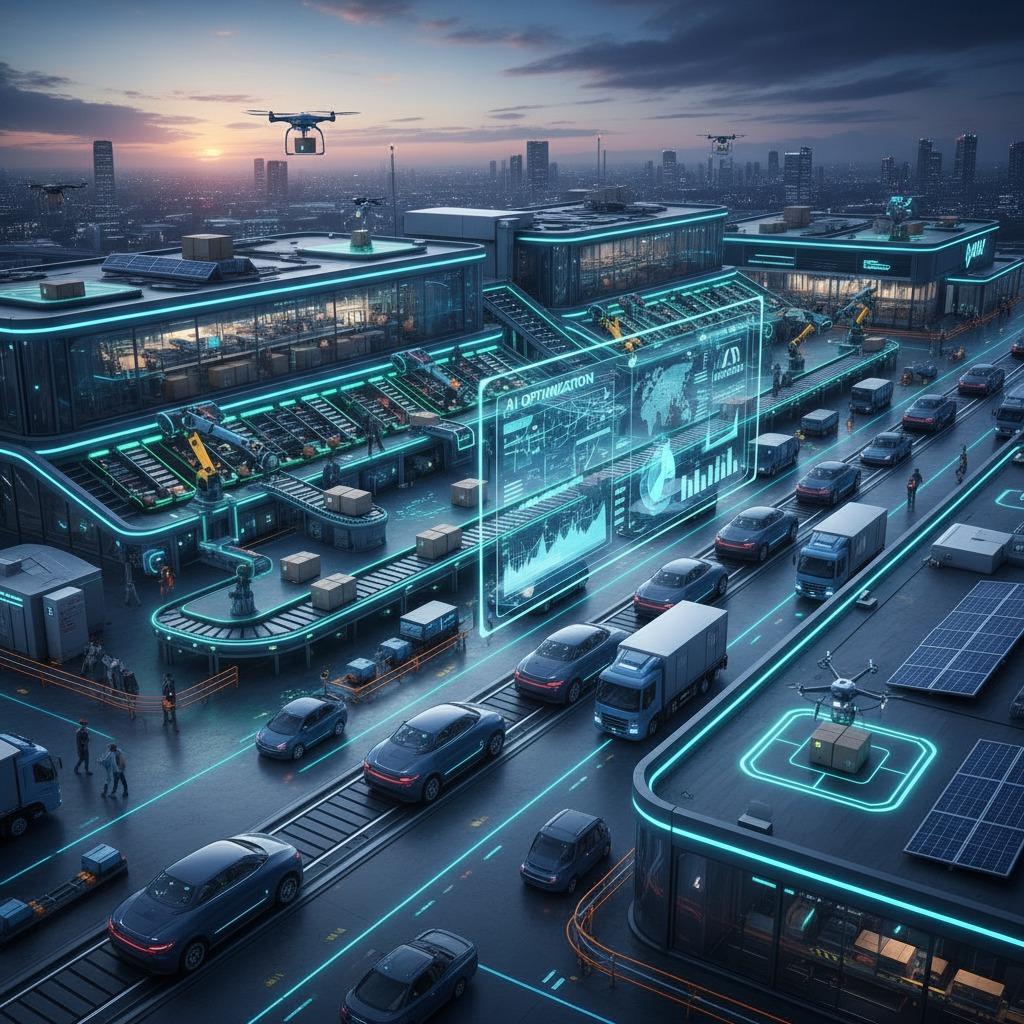
In the fast-paced world of logistics, efficiency and innovation are driving forces that redefine how goods move across the globe. Logistics, as the backbone of supply chains, is experiencing a surge in digital transformation, with technologies like AI and IoT becoming integral to operations. Recent trends show a shift towards sustainable practices, where companies prioritize eco-friendly transport methods to reduce carbon footprints. This evolution is not just a response to regulatory pressures but also to consumer demands for greener supply chains. For instance, the adoption of electric vehicles in freight transport has grown by over 30% in the past year, highlighting a clear move towards logistics solutions that balance speed with environmental responsibility.
The Role of Automation and AI in Modern Logistics
Automation is revolutionizing logistics by streamlining processes that once relied heavily on manual labor. Towering cranes and automated docking systems, like those in advanced container ports, are now powered by AI algorithms that predict and optimize container movements. This trend towards smart ports is evident in hubs handling vast intermodal containers, where real-time tracking via IoT sensors minimizes delays and enhances transparency. Blockchain integration is another rising star, ensuring secure and verifiable transactions in global trade, reducing fraud and speeding up customs clearance. As logistics embraces these technologies, operational costs have decreased by up to 20%, making it a competitive edge for businesses navigating complex international routes.
Sustainability and Resilience in Logistics Networks
Sustainability trends in logistics are gaining momentum, with a focus on resilient networks that can withstand disruptions like geopolitical tensions or natural disasters. Ports and maritime operations are investing in fuel-efficient designs and low-emission engines to align with global climate goals. For example, the integration of advanced navigation systems in shipping ensures safer, more efficient voyages, while ergonomic planning in cargo handling improves worker safety and productivity. This resilience is crucial as supply chains become more interconnected, demanding logistics strategies that adapt to fluctuating demands. Companies are also exploring hybrid models, combining air, sea, and land transport for optimal efficiency, reflecting a broader industry shift towards versatile, future-proof infrastructures.
Future Outlook for Logistics Innovation
Looking ahead, the logistics sector is poised for exponential growth, fueled by innovations in data analytics and predictive modeling. Trends indicate a rise in collaborative ecosystems where ports, airlines, and trucking firms share data for seamless operations. Enhanced safety features, such as automated collision avoidance in vessels and aircraft, are becoming standard, ensuring reliability in high-stakes environments. Moreover, the emphasis on stylish, branded logistics solutions underscores the industry's maturation, blending functionality with aesthetic appeal to attract investment. As these trends converge, logistics will continue to underpin global commerce, driving economic progress while addressing pressing challenges like urbanization and e-commerce booms. The sector's adaptability positions it as a key player in a connected world economy.





